.webp)
What Is Drip Edge and Do I Need It?

Aaron Venegaz is the President and founder of Global Exterior Experts and has been in the construction / roofing industry for over 15+ years. He started the company back in 2010 and done everything from scheduling appointments to putting down roofs. He's also done everything from commercial roofing to residential roofing and has also worked with almost every single roofing material multiple times over the past 15 years.
A couple tell tale signs your roof decking needs replacement is if you see sagging sections, water stains on your ceiling, visible rot or mold in the attic, or if multiple shingles are lifting. You can only see some of these signs when we pull up old shingles during a roof replacement, soft spots, crumbling edges, or widespread water damage in the plywood or OSB mean the decking has to go.Catching these signs early prevents bigger structural problems and keeps your replacement project on budget.
What Roof Decking Actually Does
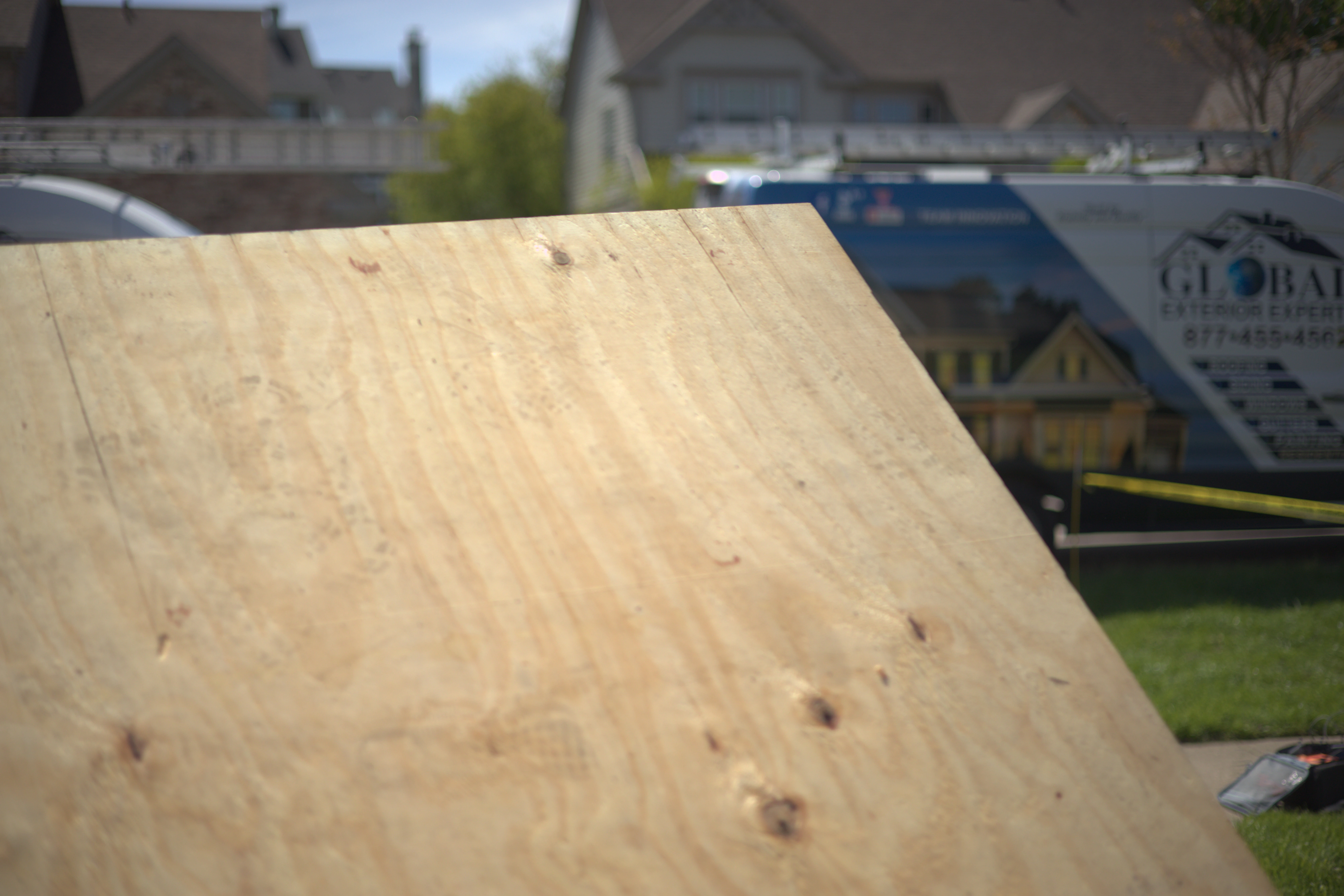
Roof decking is the wooden foundation that sits on top of your rafters and under your shingles. Think of it as the skeleton of your roof or the platform shingles go on, hence why it's call the deck. It's typically made from plywood or oriented strand board (OSB) sheets that span between the structural beams and give your shingles something solid to attach to.
Without sound decking, your roof can't hold weight properly. Snow loads, foot traffic during maintenance, not to mention the shingles themselves need a stable base. When decking fails, everything above it becomes vulnerable.
The Most Common Warning Signs
Here's the thing: roof decking problems don't always announce themselves with a leak, sometimes the damage builds quietly until you've got a serious issue.
Look for these red flags:
- Visible sagging or dips in your roofline (especially between rafters)
- Water stains spreading across ceilings or down interior walls
- Shingles that pop up or won't lay flat after wind events
- Musty smells coming from the attic, even without visible leaks
- Soft or spongy spots when walking on the roof
- Daylight visible through gaps in the attic ceiling
If your home has had chronic ice dam problems or a history of poor attic ventilation, the decking might be compromised even if you aren't seeing obvious damage yet.
When We Find the Real Problems
Most decking issues come to light after the tear of part of a roof replacement. You can't see through shingles and the underlayment often hides the real rot until we strip everything down to bare wood.
During tear off we make sure to double check every section. Soft spots get marked immediately and if the wood crumbles when we pry up a nail, or if delamination has separated the plywood layers, that section needs replacing. Water damage can show up as dark stains and advanced rot often comes paired with that distinctive musty smell.
Sometimes only a few sheets need replacing, other times, especially on older homes with ventilation problems, you're looking at 30% to 50% of all of the sheets need a replacement. It depends entirely on what the wood tells us once we expose it.
Plywood vs. OSB: What You're Working With
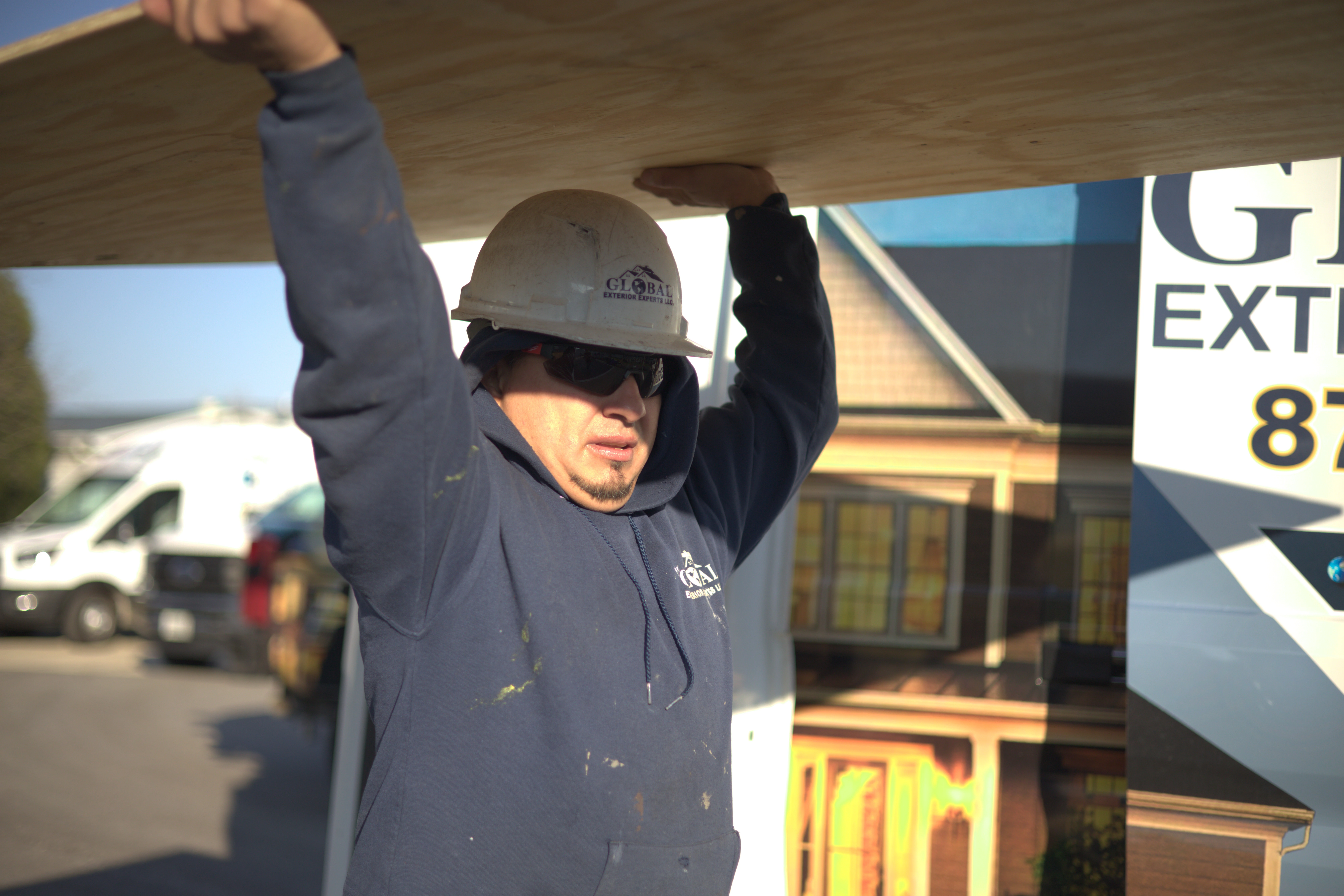
Most homes built before 2000 have plywood decking. It's more water resistant and holds up better when moisture gets in. One on hand plywood costs more, but on the other it's the better choice for roof decking replacement.
OSB became popular in the 1980s and 1990s as a budget alternative and don't get me wrong it works fine when kept dry, but once it gets wet, OSB swells and loses it's structural integrity fast. If your current decking is OSB and shows any water damage, replacement isn't optional.
We typically install ½-inch or ⅝-inch plywood when replacing decking but it's all really depending on rafter spacing and local code requirements. The thickness just matters for structural support and nail hold and otherwise nothing much.
The Replacement Process (And What It Costs)
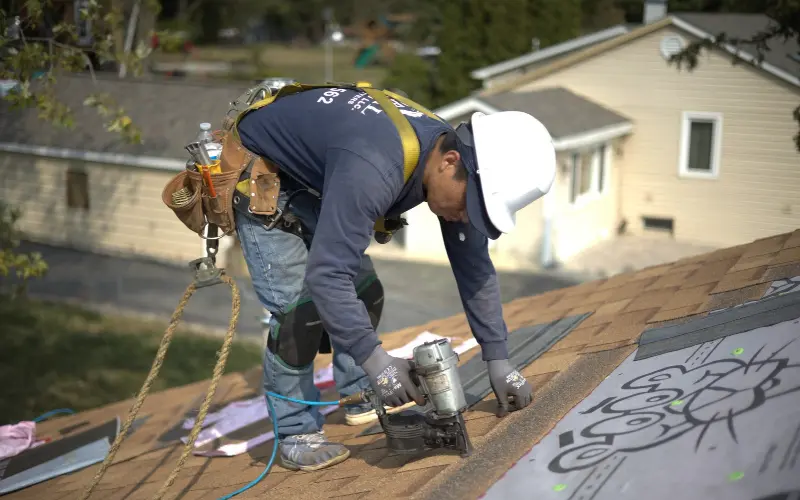
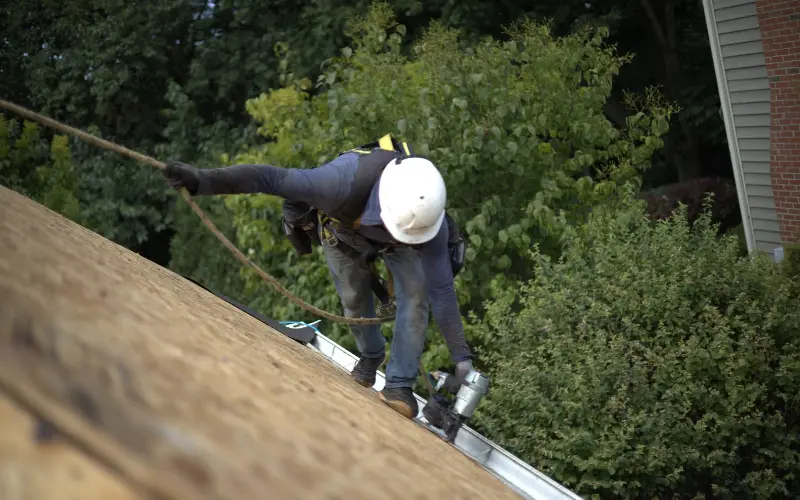
Replacing roof decking adds time and expense to a roof replacement but it's a non negotiable when the wood is compromised. We make sure to remove any damaged sections, install new plywood or OSB sheets, and secure them properly to the rafters with ring shank nails or screws.
Here's what affects the cost:
- Material choice: Plywood runs $80 to $120 per sheet; OSB costs $40 to $60 per sheet
- Labor: Decking replacement adds $2 to $4 per square foot to your roofing project
- Access issues: Steep pitches or multiple stories increase labor costs
- Total damage: Replacing 10 sheets costs far less than replacing 50 sheets
For a typical 2,000-square foot roof needing 30% of it's current decking replacement, expect to add $1,500 to $3,500 to your total project cost. Extensive replacement on larger homes can push that to $5,000 or more.
Timeline Considerations
Decking replacement doesn't have to delay your project much if we catch it early. When we schedule your roof replacement, we build in time for potential decking work based on the age and condition of your home.
A straightforward roof replacement might take 1 to 2 days and adding decking replacement typically extends that by 1 day, depending on how much we need to replace. Weather delays can stretch things further, since we need dry conditions to install new decking properly.
The bigger timeline issue? Permitting. Some jurisdictions require updated permits when decking replacement exceeds a certain percentage of the roof area so that might add a week or more to the schedule before we even start the work.
What Happens If You Skip It
Let's talk about what you're risking if you ignore failing decking and just put new shingles over compromised wood.
First off, your new roof won't perform correctly. Shingles need a flat, dry, & solid surface to properly nail into. Sagging or soft decking creates low spots where water might pool leading to premature shingle failure and leaks. Nail penetration also becomes inconsistent and some high winds, especially the kind we get here in Illinois, can tear full sections loose.
Second, structural damage accelerates. Rot spreads to rafters and trusses, turning a $3,000 decking replacement into a $15,000 - $20,000+ structural repair. Once rot reaches the framing you're looking at serious money and potential safety issues.
Third, any material warranties becomes worthless. Most shingle manufacturers won't honor warranties when their products are installed over damaged decking or installed incorrectly. Insurance claims get trickier too especially if an adjuster finds evidence you knew about decking problems before your most recent roof replacement.
Partial Replacement vs. Full Replacement
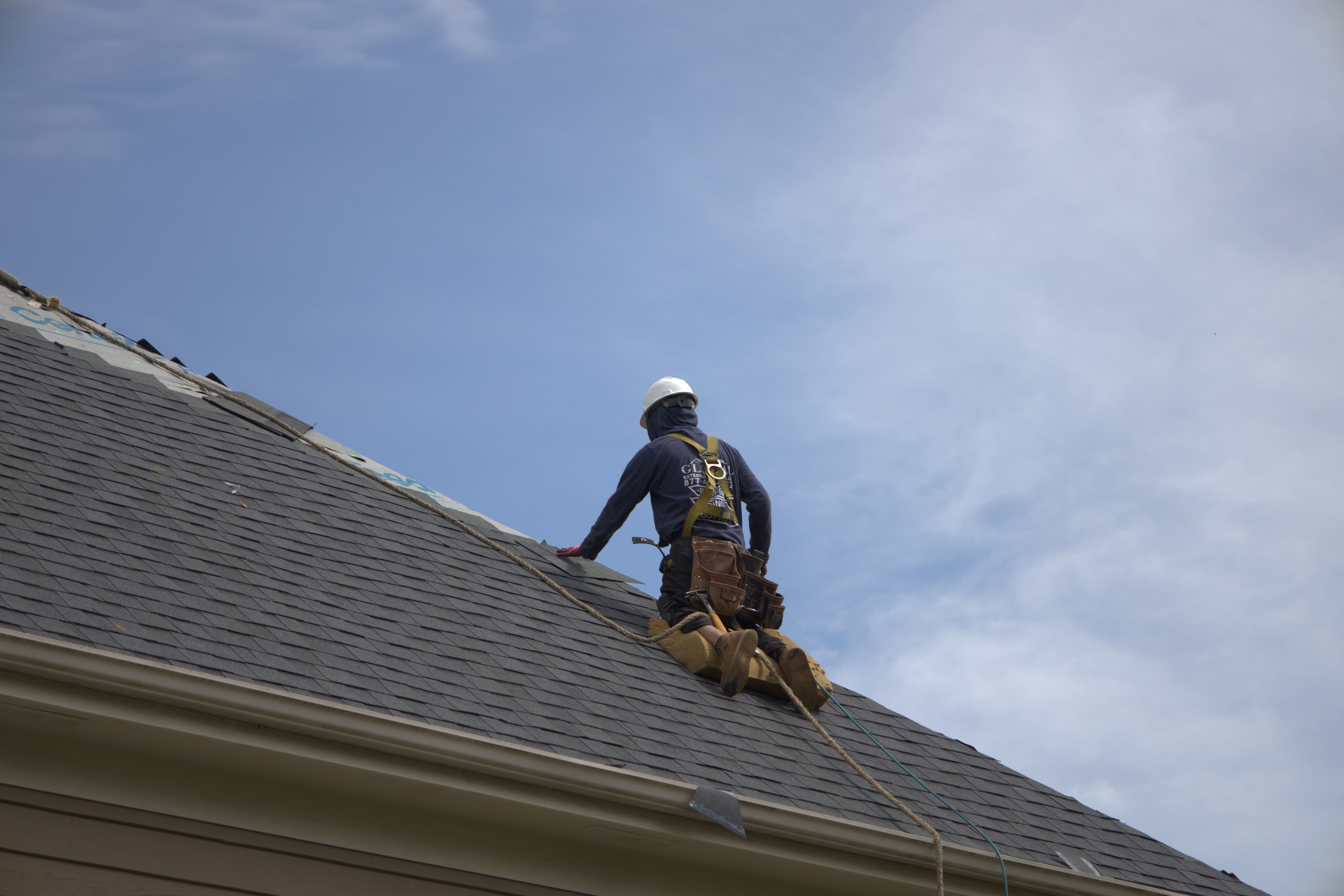
Not every roof needs complete decking replacement. Some might need a partial replacement if it's spots where it's easy to replace a couple sheets, makes sense, and saves money.
We replace damaged sections and tie new sheets into existing decking but the key here is making sure the remaining decking is truly sound. Borderline wood gets replaced too. Just trying to save a few sheets isn't worth the risk of callbacks or future problems.
Complete decking replacement makes sense when the roof deck damage is widespread, when the existing material is OSB with moisture issues or when the decking is 40+ years old and you're planning to stay in the home long-term. It's the ultimate fresh start and it guarantees your new roof has the foundation it needs, the material warranty you want, & a long lasting future ahead of it.
How to Plan Ahead
If you're planning a roof replacement in the next year or two, get an attic inspection now. Look for any signs of moisture damage, inadequate ventilation, or existing rot. Knowing what you're dealing with helps you budget accurately.
When getting roofing estimates make sure you also ask contractors about their inspection process and how they handle a decking replacement. Good roofing companies build contingency amounts into their proposals or clearly outline additional costs for discovered damage.
Just set aside an extra 15% to 20% of your roofing budget for potential decking work and if you don't need it, great, if you do, you're not scrambling for funds mid project.
The Bottom Line
Roof decking replacement isn't the glamorous part of a new roof, but it's often the most important. Your shingles are only as good as what's underneath them just as your home is only as good as the foundation it's been build on. When we find compromised decking during a roof replacement replacing it immediately protects your investment and prevents much bigger problems down the road.
If you're seeing warning signs like sagging, leaks, soft spots, don't wait for your next scheduled roof replacement. Get an inspection as soon as possible. Understanding the condition of your decking helps you make informed decisions about timing and budgeting.
The right approach? Address decking issues when you replace your roof, use quality materials, and make sure your attic ventilation is correct. That combination gives you a roof system that performs well for 20+ years without surprises.