.webp)
What Is Drip Edge and Do I Need It?

Aaron Venegaz is the President and founder of Global Exterior Experts and has been in the construction / roofing industry for over 15+ years. He started the company back in 2010 and done everything from scheduling appointments to putting down roofs. He's also done everything from commercial roofing to residential roofing and has also worked with almost every single roofing material multiple times over the past 15 years.
Synthetic roofing materials are manufactured products designed to replicate the look of traditional roofing while delivering better durability and weather protection. Unlike natural materials such as wood, slate, or clay, synthetic roofs are created from engineered compounds including polymers, recycled rubber, and plastic resins.
These materials solve many problems property owners face with conventional roofing. They resist rot, insect damage, and weather deterioration that plague natural materials, all while maintaining the aesthetic appeal that makes traditional roofs attractive.
The Main Types of Synthetic Roofing
Here's what falls under the synthetic roofing category:
Polymer Composite Shingles: Manufactured from a blend of plastic resins, limestone, and reinforcing materials. These shingles can mimic slate, wood shake, or traditional shingles with impressive realism.
Synthetic Slate: Engineered from rubber or plastic polymers to replicate natural slate's texture and shadow lines. Weighs significantly less than real stone, which means no structural reinforcement needed for most homes.
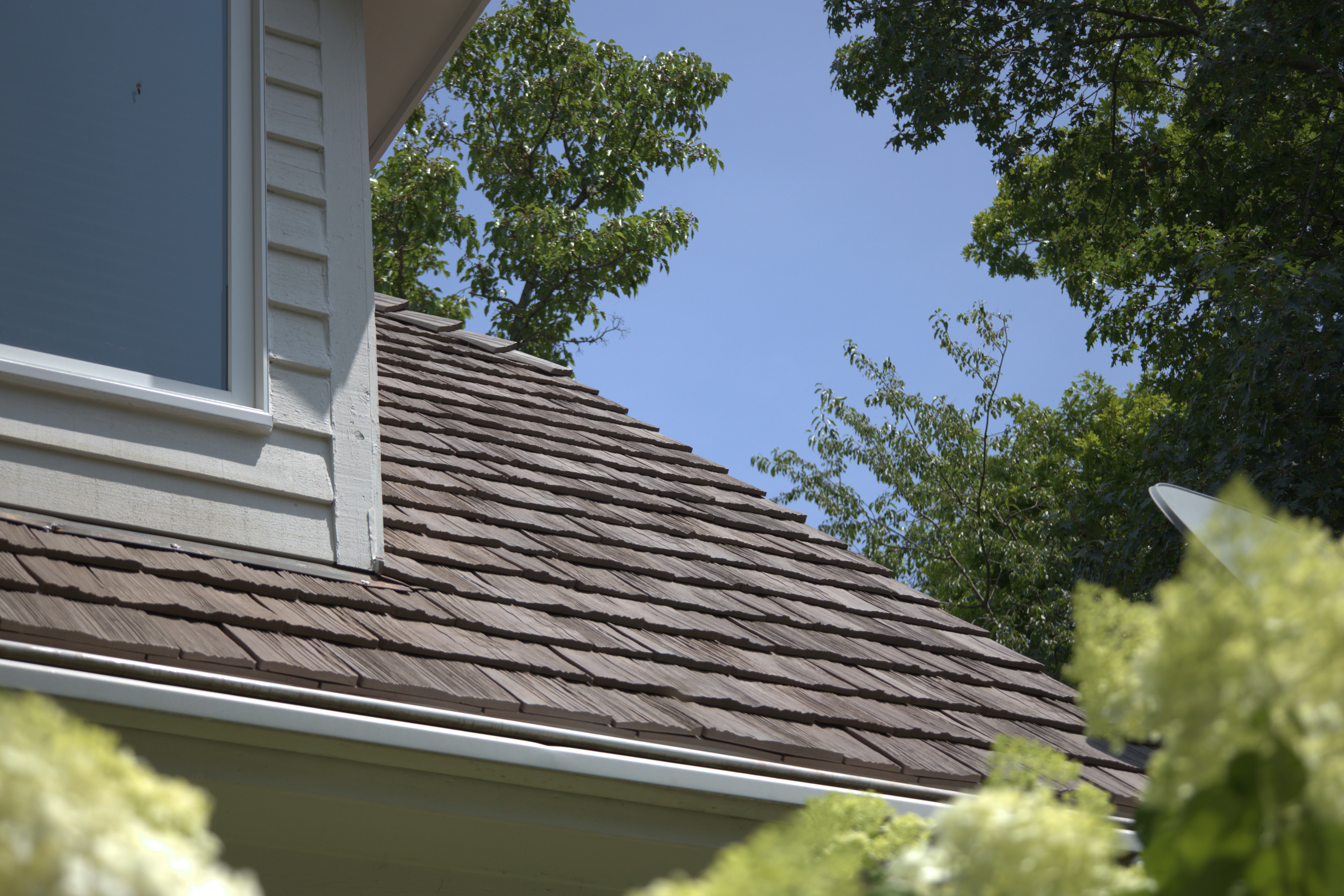
Synthetic Cedar Shake: Designed to look like hand split wood with natural grain patterns and rough edges. Unlike real wood, these won't split, rot, or attract termites.
Recycled Rubber Shingles: Created from repurposed tires and other rubber materials, formed into various shingle profiles. Extremely impact-resistant and flexible, particularly useful in hail-prone regions.
Composite Roofing Materials: Blends of multiple materials (both synthetic and natural) working together. Asphalt shingles technically fall into this category since they combine fiberglass mat, asphalt, and mineral granules.
How Synthetic Materials Differ from Traditional Roofing
The fundamental difference comes down to manufacturing versus extraction. Traditional materials come from nature with minimal processing. Wood shake's are just wood getting cut, slate comes from a quarry, clay gets fired in the kiln. Synthetic materials get engineered in controlled environments with specific performance targets.
This manufacturing process allows for consistency that natural materials can't match. Every synthetic slate tile performs identically and every rubber shingle has the same impact resistance. You're not gambling on wood grain or mineral composition of that specific tree or quarry.
The trade-off? Synthetic materials lack the subtle variations and aging characteristics that give natural roofing its charm. Real slate develops a patina and real wood weathers to silvery gray. Synthetics maintain their manufactured appearance throughout their lifespan which some property owners actually prefer.
Cost Expectations for Synthetic Roofing
Now let's talk money. For a standard 2,000 square-foot roof, you're looking at:
- Material costs: $12,000 to $24,000
- Labor and installation: $6,000 to $16,000
- Total project range: $20,000 to $40,000
That puts synthetic roofing above standard asphalt shingles but below premium natural materials like real slate or copper. A comparable roof in natural slate might cost $50,000 to $100,000, while quality asphalt shingles run $10,000 to $16,000 for the same coverage.
The installation timeline typically spans 3 to 7 days for synthetic materials similar to conventional shingle work. Weather delays can extend this too but the lighter weight of most synthetic products actually speeds up the installation compared to heavy natural materials.
Weather Performance and Durability
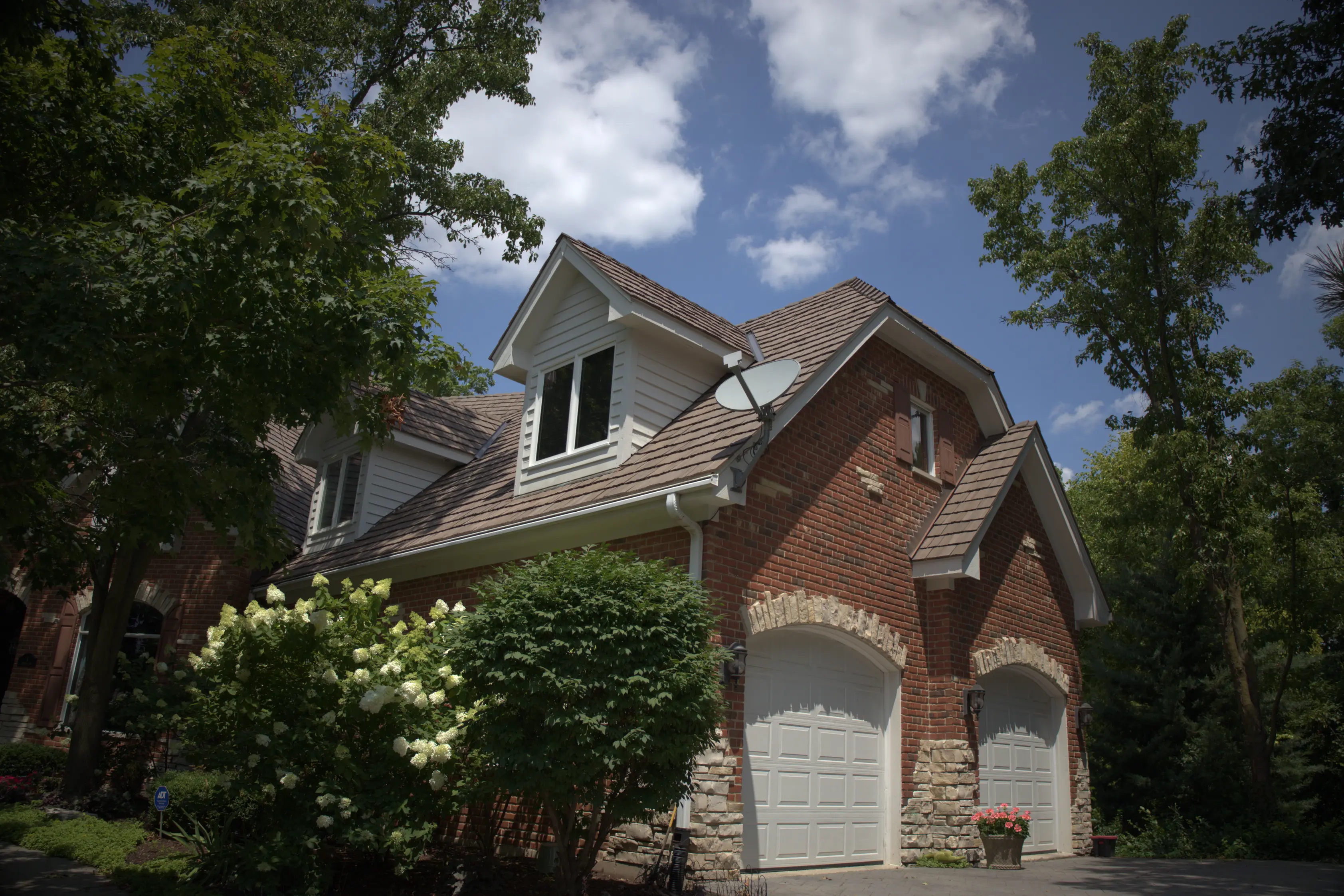
Synthetic roofing materials handle severe weather remarkably well, which explains their growing popularity in storm prone regions. Most synthetic products carry class 4 impact ratings and can withstand winds up to 110 mph when properly installed.
The materials don't absorb moisture which eliminates freeze thaw damage that destroys natural slate and tile in cold climates. They won't crack from temperature swings. They resist UV degradation better than untreated wood or asphalt.
Fire resistance varies by product with many synthetic options carrying class A fire ratings, also the highest you could have, because they're made of rubber and polymers.
Expected lifespan runs 40 to 60 years depending on the specific product and environmental conditions. That's definitely longer than asphalt but shorter than properly maintained natural slate which is also 2x the price. Manufacturers typically warranty their products for 25 to 50 years, though you'll want to read the fine print on what's actually covered.
Installation Requirements and Considerations
Installing synthetic roofing doesn't require specialized skills beyond standard roofing knowledge of where to nail but there are some particulars to understand. Most synthetic materials need proper underlayment. Things like synthetic underlayment works best and not old fashioned felt.
The lighter weight is a real advantage during installation. Where natural slate requires structural reinforcement and careful handling, synthetic slate installs like heavy duty shingles. Which cuts labor time and eliminates expensive framing upgrades.
Ventilation matters more with synthetic materials than you might think. Some polymer products retain heat which means the required attic ventilation becomes critical for preventing premature aging and maintaining energy efficiency. This isn't a dealbreaker just have something to plan for during installation which if the roofing company is already bringing your roof up to code for a shingle roof, it's the same thing for synthetic materials.
Permits and inspections follow standard roofing protocols. Code officials treat synthetic roofing like any other roof covering assuming it meets local fire and wind ratings. No special approvals needed in most jurisdictions.
The Maintenance Reality
Here's the thing: synthetic roofing requires remarkably little maintenance compared to natural alternatives. You're not sealing wood shake annually or replacing broken slate tiles after every storm.
Basic maintenance includes:
- Annual visual inspections (spring and fall)
- Gutter cleaning to prevent water backup
- Removing debris and trimming overhanging branches
- Checking flashing and seals around penetrations
That's about it. The materials don't need treatment, coating, or special cleaning products. A soft-bristle brush and garden hose handle most cleaning needs (avoid pressure washing, which can damage fasteners and seals).
Most problems that do occur stem from installation errors rather than material failure. Improper fastening, inadequate underlayment, or poor flashing work causes issues regardless of roofing material.
Comparing Synthetic to Other Roofing Company Options
When you are in the season of considering a roof replacement, synthetic materials compete primarily with asphalt shingles and metal roofing in the practical price range.
Against asphalt shingles: Synthetic roofing costs more upfront but lasts longer and requires less maintenance. Asphalt might need a replacement in 20 to 25 years, while synthetic materials often reach 40 to 50 years. The lifecycle cost difference narrows considerably.
Against metal roofing: Metal typically outlasts or matches synthetic material but comes with its own aesthetic and noise considerations. Synthetic materials offer more traditional appearances while metal provides maximum longevity.
Against natural materials: Synthetic roofing costs significantly less than natural slate or shake while delivering comparable aesthetics and superior weather resistance. You sacrifice the authentic aging characteristics of natural materials.
What Property Owners Should Consider
Synthetic roofing makes sense when you want traditional appearance without traditional maintenance. It works particularly well for homeowners who plan to stay in their property long-term and value durability over initial cost savings.
Climate matters a lot here too, hot regions should verify the specific product's heat resistance and consider lighter colors for a cool roof effect to reduce heat absorption. Cold climates benefit from synthetic materials' resistance to freeze thaw cycles.
Homeowner association rules sometimes specify roofing aesthetics and colors to match the neighborhood and keep yours and their resale value.
Synthetic materials can match natural appearance closely enough to satisfy most architectural guidelines but make sure you verify before committing to a product.
Resale value considerations depend on local market preferences. In areas where natural materials command premiums then a high quality synthetic alternatives hold value better than basic asphalt shingles without reaching the premium levels of authentic slate or shake.