.webp)
What Is Roofing Underlayment and Why Does It Matter?

Aaron Venegaz is the President and founder of Global Exterior Experts and has been in the construction / roofing industry for over 15+ years. He started the company back in 2010 and done everything from scheduling appointments to putting down roofs. He's also done everything from commercial roofing to residential roofing and has also worked with almost every single roofing material multiple times over the past 15 years.
Here's the short answer: you can finance through your roofing company, tap home equity, use insurance coverage for storm damage, apply for government assistance programs, or explore payment plans. In some cases, targeted repairs might buy you several more years before full replacement becomes necessary.
The key is understanding all your options before you panic. Let's walk through each solution, what it costs, and when it makes the most sense.
Get a Professional Inspection First (This Saves Money)
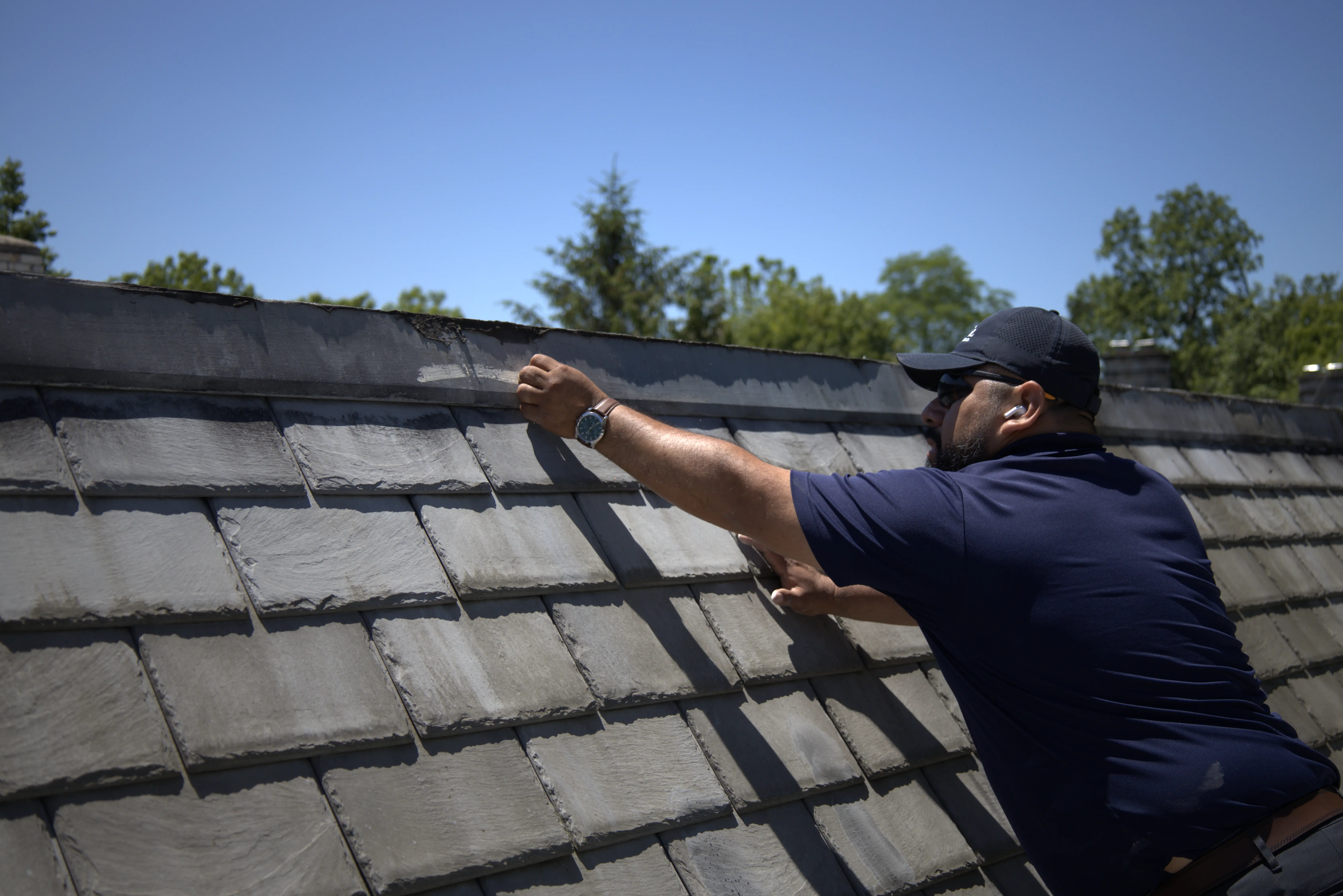
Before you commit to anything just know exactly what you're dealing with. A proper roof inspection reveals whether you actually need full replacement or if repairs will handle the problem.
Here's the thing about 40% of homeowners who think they need a new roof actually just need a well done repair. An inspection could cost anywhere from $150 to $400, though we offer free roof inspections, which can save you $10k+ if a roof replacement wasn't necessary yet.
The inspection should document damage locations, identify any leak sources, and assess remaining lifespan. Just make sure you get this information in writing. You'll need this for insurance claims, financing applications, and contractor estimates.
Roofing Company Financing Programs
Most established roofing companies partner with lenders to offer payment plans and this will just keep everything under one roof (no pun intended) and often moves faster than traditional bank loans.
Standard terms you'll see:
- 0% APR for 12-24 months
- $0 Down for 12 months
- Or a low % for 36-60 months
The 0% APR option for 12-24 can be best if you can manage a $1200 to $1000/m payment. If that doesn't work, then the longer terms can drop payments to $200 to $400 per month though you'll just pay interest over a way longer period of time.
Applications can take 20 minutes and approvals usually comes same day. Credit score requirements vary but scores above 620 typically qualify for better rates and some programs accept scores as low as 580 with higher interest.
Home Equity Options (Lower Rates, Higher Stakes)
If you've built equity in your home, you can borrow against it. These loans typically offer the lowest interest rates and go around around 5% to 7% APR because your house is up for grabs if you don't pay.
Two main types exist: home equity loans give you a lump sum with fixed payments over 5 to 15 years. Home equity lines of credit (HELOCs) work like a credit card letting you draw what you need when you need it with 10 to 20 year terms.
The catch is that the approval process takes 3 to 6 weeks. You'll need at least 15% to 20% equity in your home and if you can't make payments, the lender can foreclose on your house. That's a real risk to consider carefully before jumping into a HELOC.
These work best when you're planning multiple home improvements over time and have stable income to support the payments.
Personal Loans from Banks or Credit Unions
Personal loans provide quick cash without using your home as collateral. Most banks and credit unions offer them for home improvements, including roofs.
Typical terms:
- $5,000 to $35,000 loan amounts
- 3 to 7 year repayment periods
- 8% to 18% APR depending on credit
- Approval within 1 to 5 business days
Interest rates run higher than home equity loans but lower than credit cards. The application process requires proof of income, credit check, and sometimes employment verification but nothing on the line as collatoral means the lender relies entirely on your creditworthiness.
So just make sure you shop around. Interest rates can vary between 4% to 5% between lenders for the same borrower. Check your regular bank first, then compare with at least two other institutions.
Check Your Insurance Coverage
Storm damage coverage depends entirely on what caused the problem. Wind, hail, falling trees, and sudden weather events typically qualify but gradual wear and tear that's now causing a leak doesn't.
If a storm just rolled through make sure you get a roof inspection to document everything with photos before any repairs start. File your claim within 30 days (some policies require faster reporting). Your deductible might be $1,000 to $2,500, but insurance covers the rest of approved damage.
Here's where it gets tricky because some insurance companies don't cover poor maintenance or aging materials and that 20 year-old roof that finally gave up? You're on your own. The roof damaged by last week's windstorm could be potentially covered if everything passes.
Get the inspection report mentioned earlier because it provides documentation your insurance adjuster will need.
FHA Title I and 203(k) Loans
These government backed loans help homeowners who don't qualify for conventional financing. The FHA Title I program offers up to $25,000 for home improvements with no equity requirement.
Requirements are reasonable:
- Property occupied at least 90 days
- Debt to income ratio below 45%
- Minimum 580 credit score (some lenders go lower)
- Fixed interest rates around 7% to 10%
The 203(k) loan works differently. It combines home purchase or refinancing with improvement costs in a single mortgage. This option makes sense if you're already considering refinancing or buying a fixer upper but just note that processing can take anywhere from 30 to 45 days. You'll work through FHA approved lenders, and they'll guide you through paperwork requirements.
Government and Non-Profit Assistance Programs
Local and federal programs exist specifically for home repairs, though eligibility gets strict. Income limits, age requirements, or specific circumstances (like veteran status or disability) often apply.
Check with your city or county housing department first. Many run emergency repair programs for low income homeowners while some provide grants while others offer zero interest loans.
Habitat for Humanity's A Brush with Kindness program handles critical repairs for income qualified homeowners. Rebuilding Together coordinates volunteer labor for roof repairs in some areas and the USDA offers home repair loans and grants for rural properties.
Approval timelines vary widely, from 2 weeks to 6 months. These programs typically can't handle true emergencies, but they're worth investigating if your timeline allows planning ahead.
Strategic Repairs vs. Full Replacement
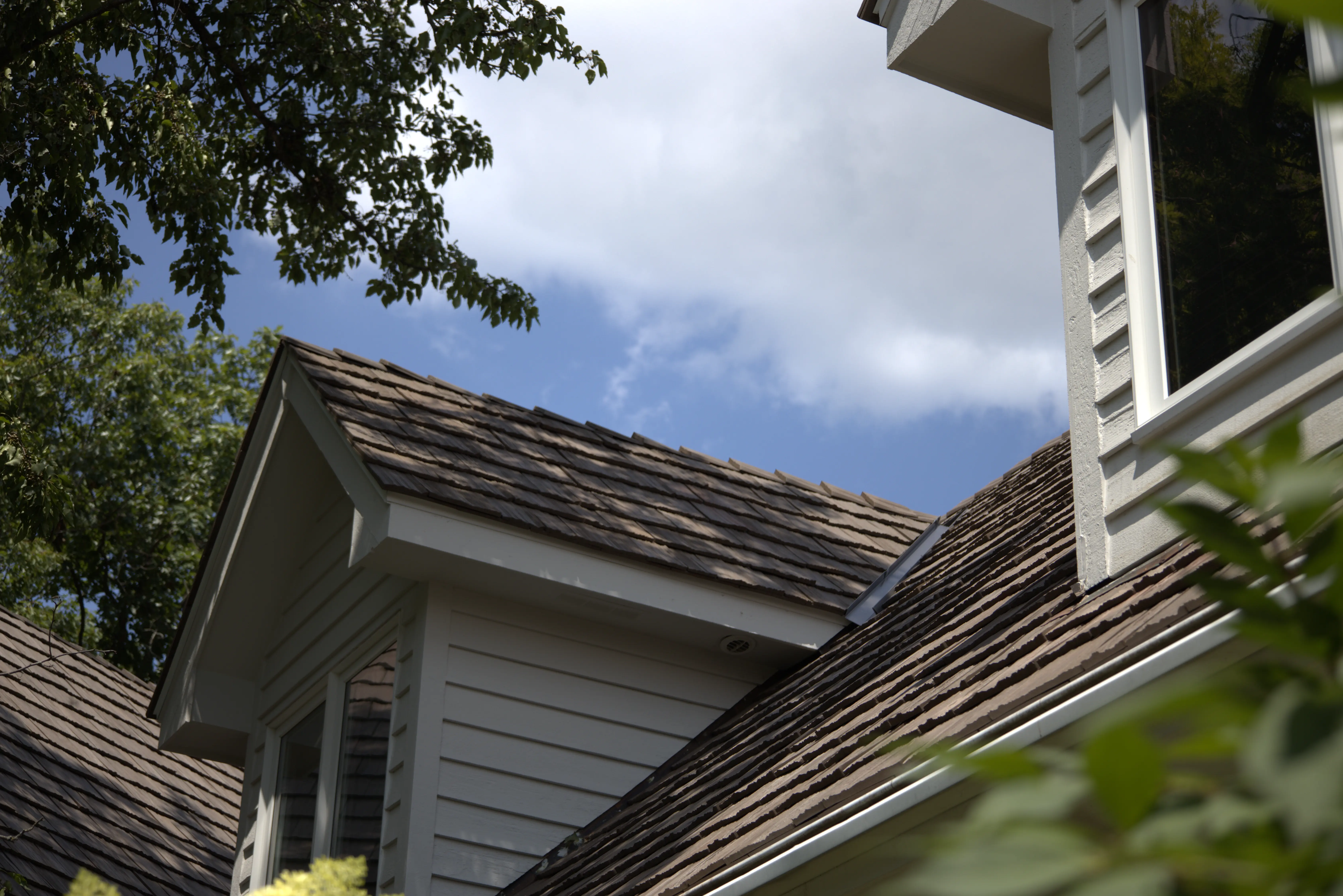
Sometimes you don't need an entire roof and just specific problem areas addressed. Partial re roofing could cost anywhere from $3,000 to $8,000 depending on the size, material, & complexity of the roof and could extend your roof's life by 5 to 8 years.
This approach works when:
- Damage affects only one section
- Structural decking remains solid
- The rest of the roof has 5+ years of life left
- You need to buy time for better financial positioning
Repairs won't last forever but you're essentially kicking the can down the road, but hey, sometimes that's exactly what your budget needs. The money you save can go into a replacement fund for when the inevitable arrives.
Payment Plans Directly Through Contractors
Some roofing companies offer their own payment arrangements without third party lenders but terms vary dramatically based on the contractor's policies and your relationship with them.
You might see:
- 25% to 33% down payment required
- Balance split into 3 to 6 monthly installments
- Interest free if paid within agreed timeframe
- Higher down payments for longer terms
This works best with established local companies who know the community. They're taking a risk on you, so expect them to check references and possibly run a soft credit inquiry. The upside is that you'll need no formal loan applications, faster approval, and often more flexible terms than any banks offer.
What NOT to Do (This Costs More Later)
Avoid credit cards unless you can pay the balance within 6 months. Credit card interest runs crazy into the 18% to 30% APR and a $10,000 roof charged at 24% APR takes 4 years to pay off at $300 monthly payments, costing you an extra $4,200 in interest.
Just don't hire the cheapest bidder without vetting them thoroughly. Unlicensed contractors save you money upfront but often create problems that cost double to fix later. Look out for things like missing permits, voided warranties, and shoddy installation that aren't worth the savings.
Skip the "we'll handle your insurance claim" offers that promise you a free roof. These operations often inflate claims or use inferior materials that are putting you at legal risk and more work being needed down the line as well as potentially increasing your insurance rates.
Making Your Decision: Timing and Planning
Most roofs give warning signs before complete failure. You may see things like curling shingles, granule loss, and minor leaks signal when you've got 1 to 3 years before critical problems develop. Just make sure you use that time wisely while it's only that bad.
Create a timeline:
- Months 1-2: Get inspections and estimates
- Months 3-4: Explore financing options and apply
- Months 5-6: Schedule the work during ideal weather
- Build in buffer time for approval delays
Emergency replacements (active leaks causing interior damage) require faster decisions but even then, you can get emergency tarping for $300 to $800 while you secure financing. This prevents further damage and buys you decision making time.
Your Next Steps
Start with that inspection. Know what you're dealing with before committing to solutions. Then compare at least three financing options that match your situation. Factor in your credit score, available equity, timeline, and tolerance for risk.
If you've got good credit and equity, home equity loans offer the best rates. Need speed and simplicity? In-house roofing company financing gets you approved fastest. Tight budget or credit challenges? Look into FHA programs or government assistance before giving up.
The roof protects everything else. Finding a way to pay for it isn't optional, but you've got more tools in your belt than most homeowners realize. Pick the one that fits your situation, then move forward with confidence.