.webp)
What Is Drip Edge and Do I Need It?

Aaron Venegaz is the President and founder of Global Exterior Experts and has been in the construction / roofing industry for over 15+ years. He started the company back in 2010 and done everything from scheduling appointments to putting down roofs. He's also done everything from commercial roofing to residential roofing and has also worked with almost every single roofing material multiple times over the past 15 years.
Here's the bottom line: roof replacement in 2025 runs between $10,00 and $20,000 for most homes. That's a broad range because nearly everything about your property affects the final number. Your roof size, material choice, pitch, and condition all play a role in what you'll pay.
Let's break down what drives these costs so you can plan ahead.
What You're Actually Paying For
A roof replacement isn't just shingles. You're paying for the complete process: tear off and disposal of your old roof, installing new underlayment, flashing, ventilation, and the roofing material itself. Most quotes bundle everything together but it helps to understand what's really included.
Labor typically eats up 50 to 60 percent of the total cost. So that's the crew's time, expertise, and the equipment needed to do the job safely. Materials make up the remaining 40 to 50 percent. The more complex your roof, the more both numbers climb.
Breaking Down Costs by Roof Size
Size matters. Here's what to expect based on square footage:
- 1,000 sq ft: $8,000 to $10,000 for asphalt shingles
- 1,500 sq ft: $9,500 to $13,000 for asphalt shingles
- 2,000 sq ft: $13,000 to $18,000 for asphalt shingles
- 2,500 sq ft: $12,000 to $25,000 for asphalt shingles
These estimates assume standard asphalt shingles on a straightforward roof design. Now if you're looking at metal, tile, or specialty materials, expect to add 50 to 200 percent more to these numbers.
Or read this article on How Much Do Metal Roofs Cost Compared to Shingles?
Material Choices and What They Cost
Alright, let's talk materials. This is where costs really spread out.
Asphalt shingles dominate the market because they balance affordability with decent performance. For a 1,500-square-foot roof, you're looking at $9,000 to $14,000.
Metal roofing costs more upfront but handles our weather extremes better and tends to last 40 to 70 years. Which could mean $15,000 to $25,000 for the same 1,500-square foot roof. Steel and aluminum are the most common with standing seam panels being way better in many ways. You can read more about the benefits of standing seem here
Wood shakes could run more than shingles but less than metal in most cases. They look great and insulate well but they need regular maintenance to handle moisture and insects, which our humid summers and wet springs make trickier.

Roof Pitch and Complexity
Now in 100% of cases a steeper roof will cost more because they'll take longer to install and require extra safety equipment. A roof with a 6:12 pitch or higher can add $2,000 to $4,000 to your project.
Complexity matters too. Not to mention, every chimney, skylight, dormer, or valley means more cutting, more flashing, and more labor hours. Simple gable roofs with one ridge cost less than multi-level roofs with a dozen angles.

Then They're What's Hiding Underneath
Here's the thing: you don't know what's under your old shingles until the tear-off happens. If the decking (the plywood base) is rotted or damaged, it needs replacing. Usually roofing companies like ours charge per sheet installed.
Same goes for ventilation and insulation. Proper airflow prevents moisture buildup and extends your roof's life and if your attic ventilation is inadequate, fixing it during replacement makes sense. Ridge vents, soffit vents, or powered fans can add $600 to $1,500 to the job.
Not to mention, in most cases we will need to add in more vents if your roof is out of code which most roofs (If they have lived their full life) have outlasted the code changes and now need to be fixed.
Disposal, Permits, and Other Add-Ons
Tearing off your old roof generates a lot of debris and disposal fees typically run $1,000 to $3,000 depending on material type and local dump rates. Heavier materials like tile or slate cost more to haul away and some state regulations require proper disposal of roofing waste, which keeps things cleaner but adds to the bill.
Most municipalities require permits for roof work and the cost of one may vary by location but are usually anywhere from $50 to $500. Chicago and surrounding suburbs tend toward the higher end and building inspectors need to verify the work meets code. Permits just make sure everything's above board.
Building codes here also require 90 mph wind resistance and ice and water barriers which makes sense given our weather swings. Most local codes also limit you to two layers of shingles maximum. If your roof already has two layers, you'll need a full tear-off before installing anything new.
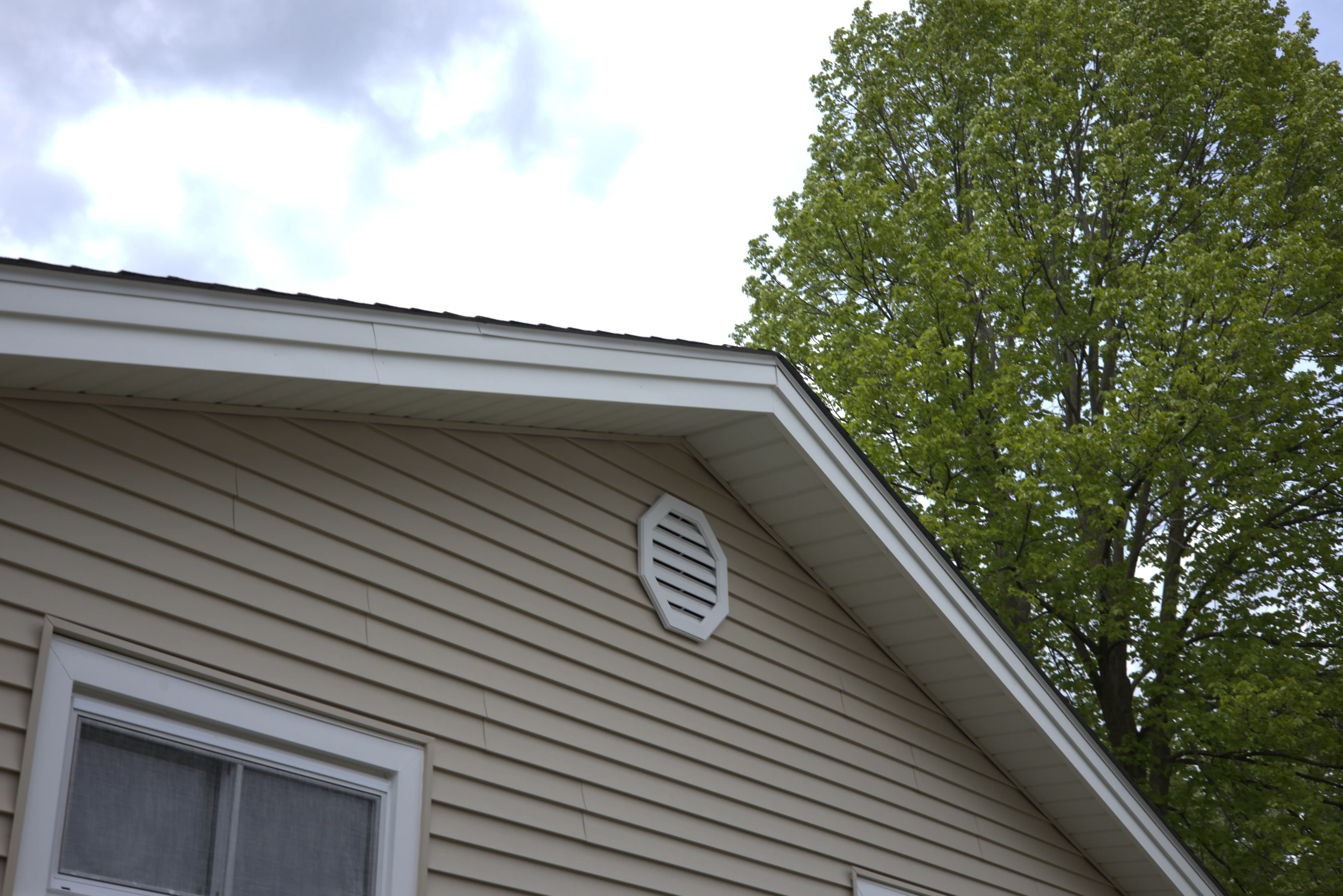
Flashing and drip edge replacements often get overlooked in estimates. New metal flashing around chimneys, vents, and walls prevents leaks but can add $400 to $1,000 to the project. Then drip edges protect your fascia from water damage, another $300 to $800.
Labor Costs and What Drives Them
Labor pricing varies across the state. Chicago and the metro suburbs see steeper rates due to higher living costs and union labor premiums and smaller towns throughout central and southern parts of the state tend to run more moderate. With labor costs rising it's just better to get a roof replacement now than later.
The time of year matters too. Late spring through early fall is peak season. Contractors book up fast and prices reflect their demand. Winter and early spring often bring better deals because work slows down and if your roof isn't leaking, waiting for off-season pricing can save 10 to 20 percent.
Our weather puts roofs through a real gauntlet too: 36 to 40 inches of rain and melted snow annually, plus temperature swings, hail, tornadoes, and that August 2020 derecho that nobody's forgotten. This means experienced contractors who know how to handle ice dams, ventilation issues, and storm damage command fair prices for their expertise.
Should You Repair or Replace?
We can go into great detail for this section but it would be better if you read more about it in this article. If your roof is under 15 years old and the damage is limited to a small area (a few missing shingles, minor leaks), repairs make sense. Spot fixes can run $500 to $3,000 depending on extent.
But if you're looking at widespread damage like multiple leaks, or a roof pushing 20 years old, replacement beats repair. Patching an aging roof is like putting band-aids on a broken leg. Eventually, you're paying for the same work twice.
How to Plan Your Budget
Start by getting three to four estimates from licensed contractors. Make sure each quote includes tear-off, disposal, underlayment, flashing, ventilation, and material installation. Just comparing line items helps you spot who's padding numbers and who's giving you straight answers.
Set aside 10 to 15 percent more than the highest estimate for surprises like deck repairs, code upgrades, or unexpected structural issues pop up more often than you'd think.
If financing the project, explore home equity loans, HELOCs, or contractor payment plans. Some manufacturers offer financing for premium materials so make sure you're fully informed before communiting.
What to Do Next
Get your roof inspected before requesting quotes. A professional inspection reveals problem areas and gives you a realistic picture of what needs replacing. Most inspections can cost $200 to $400.
Then reach out to contractors who've been in business more than a week, carry proper insurance, and provide references. Ask about their warranty coverage (both material and labor) and how they handle unexpected issues mid-project.
Budget accordingly, plan for the timeline (most residential roofs take two to five days to complete), and don't wait until you have active leaks to start shopping. Emergency replacements always cost more.