.webp)
What Is Drip Edge and Do I Need It?

Aaron Venegaz is the President and founder of Global Exterior Experts and has been in the construction / roofing industry for over 15+ years. He started the company back in 2010 and done everything from scheduling appointments to putting down roofs. He's also done everything from commercial roofing to residential roofing and has also worked with almost every single roofing material multiple times over the past 15 years.
The short answer: Charcoal gray, weathered wood, pewter gray, and earthy browns are dominating 2025 roof color trends. These versatile shades work with nearly any home style, offer excellent resale value and provide practical benefits for Illinois's climate but there's more to choosing the right roof color than just following trends.
Your roof color affects everything from curb appeal to cooling costs. Here's what's trending this year and how to pick the right shade for your home.

Why Roof Color Matters More Than You Think
Color isn't just about looks. The shade you choose impacts your energy bills, resale value, and how your home fits into the neighborhood. Lighter colors reflect sunlight and can cut cooling costs during Illinois's humid summers. Darker shades absorb heat, which might help a bit during winter but can make your attic warmer when you don't want it.
Then there's resale; studies show that new roofs can boost home value by around 10% and classic neutral colors appeal to more buyers. Your HOA might also have rules about what colors are allowed so check before you commit.
The Four Colors Leading the Pack
Here's what most homeowners are choosing right now, and for good reason.

Charcoal Gray - This deep cool toned shade has been the go to choice for years. It works with white siding, beige brick, stone accents and just about any exterior color you can throw at it. The contrast between charcoal shingles and light siding creates a clean, modern look that photographs well and ages gracefully.

Weathered Wood - If you want a warmer more natural vibe to your home, weathered wood delivers. This blend of browns and grays mimics traditional wood shake roofing color without the maintenance headaches. It pairs beautifully with craftsman homes, farmhouses, and properties with natural stone or wood elements.
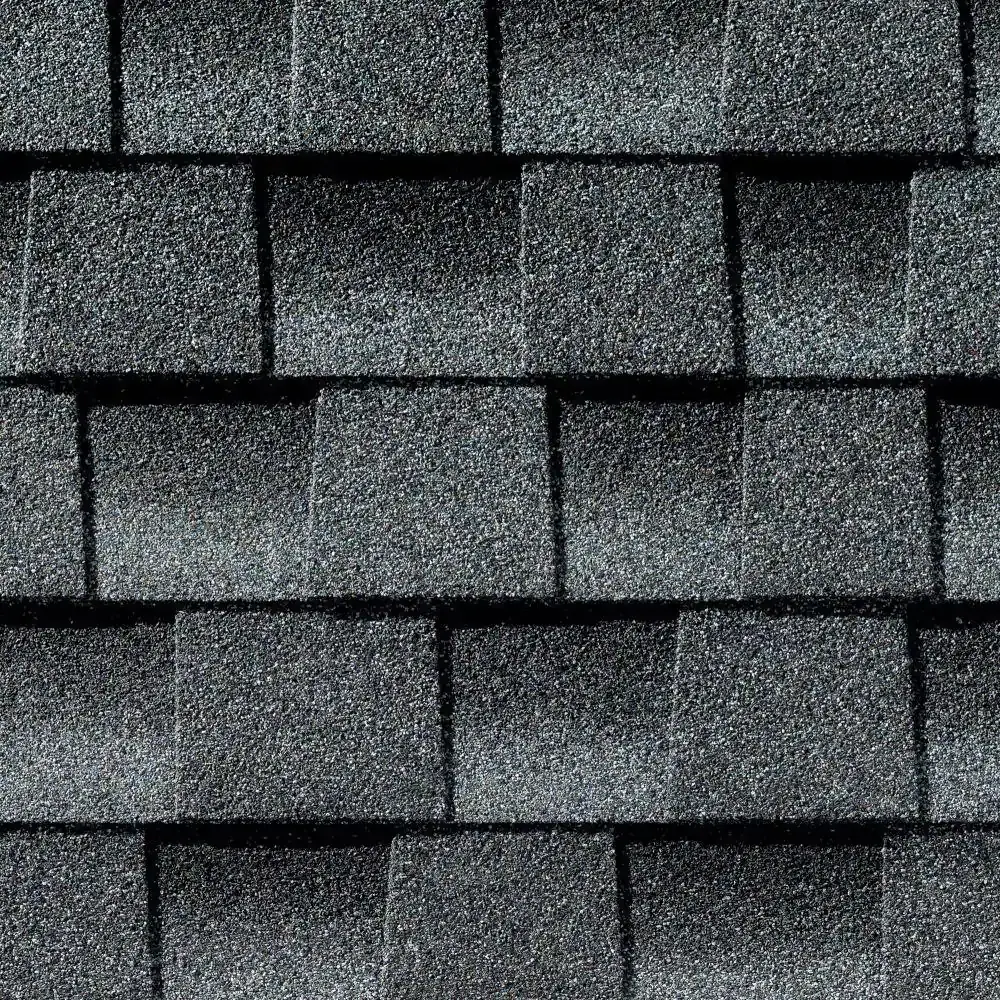
Pewter Gray - Think of this as charcoal's lighter cousin. Pewter gray offers that same neutral versatility but with a softer touch. It's light enough to reflect some heat but dark enough to hide dirt and weather stains and perfect if you want sophistication without going too dark.
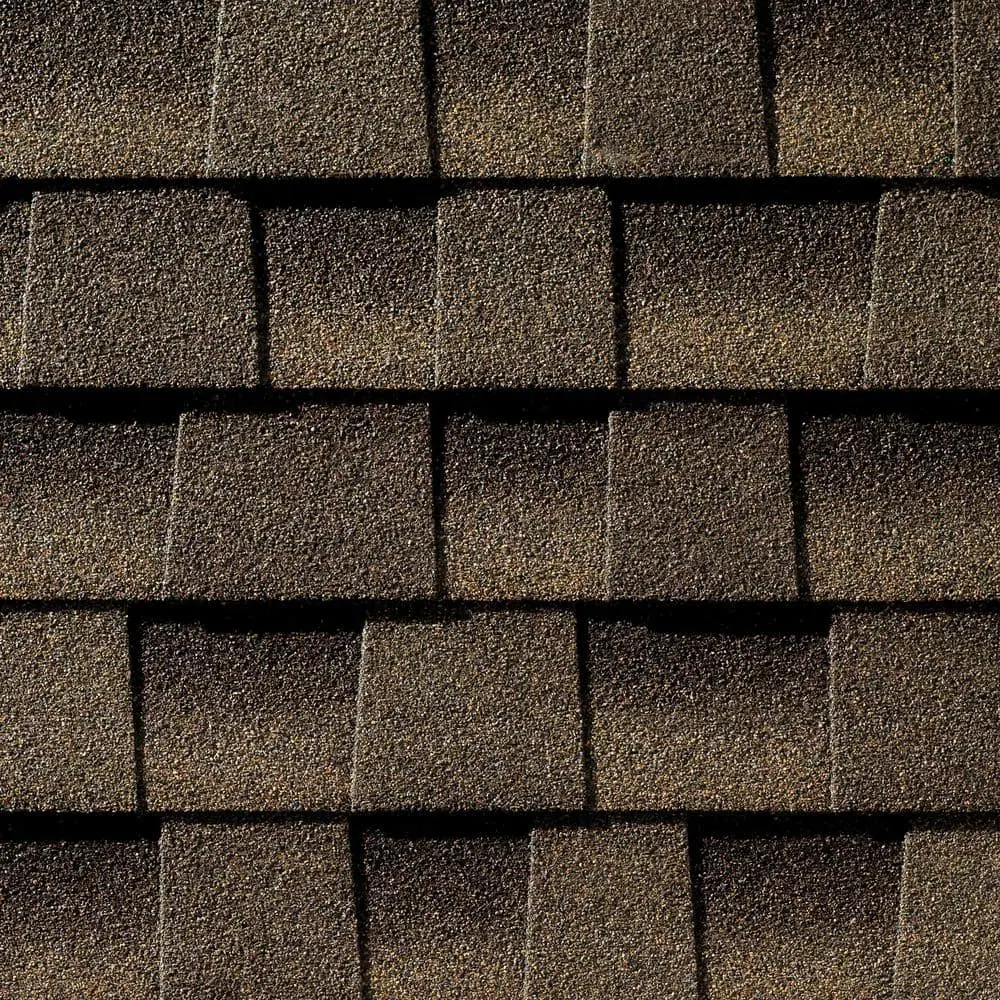
Barkwood and Earthy Browns - For homes surrounded by trees or in more rural settings, these warm brown tones create harmony with the landscape. They give off that cozy, grounded feeling and work especially well with tan, beige, or brown siding. They're also forgiving when it comes to showing dirt from all of Illinois's unpredictable weather.
Regional Favorites You'll See in Illinois
National trends are one thing but what works in California doesn't always translate to the Midwest. In Illinois you'll notice a few specific preferences shaped by our climate and architectural styles.
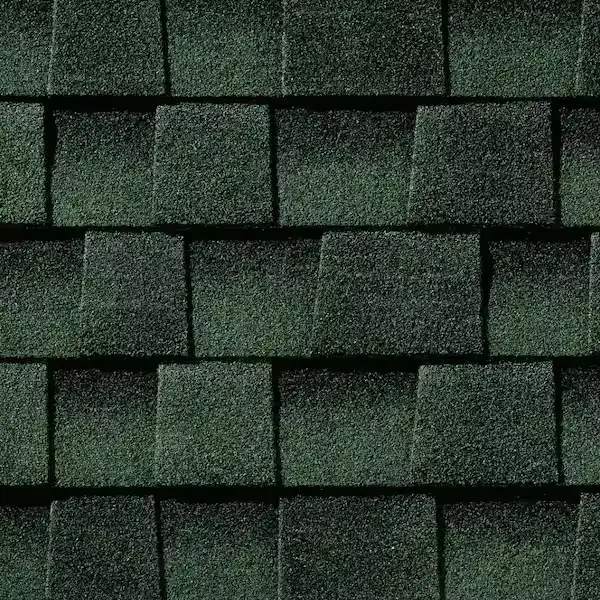
Hunter Green - This rich, deep green has become popular for properties with acreage or barn-style architecture. When paired with white or neutral siding, it creates a striking focal point. The shade connects your home to the surrounding landscape, especially if you have mature trees.
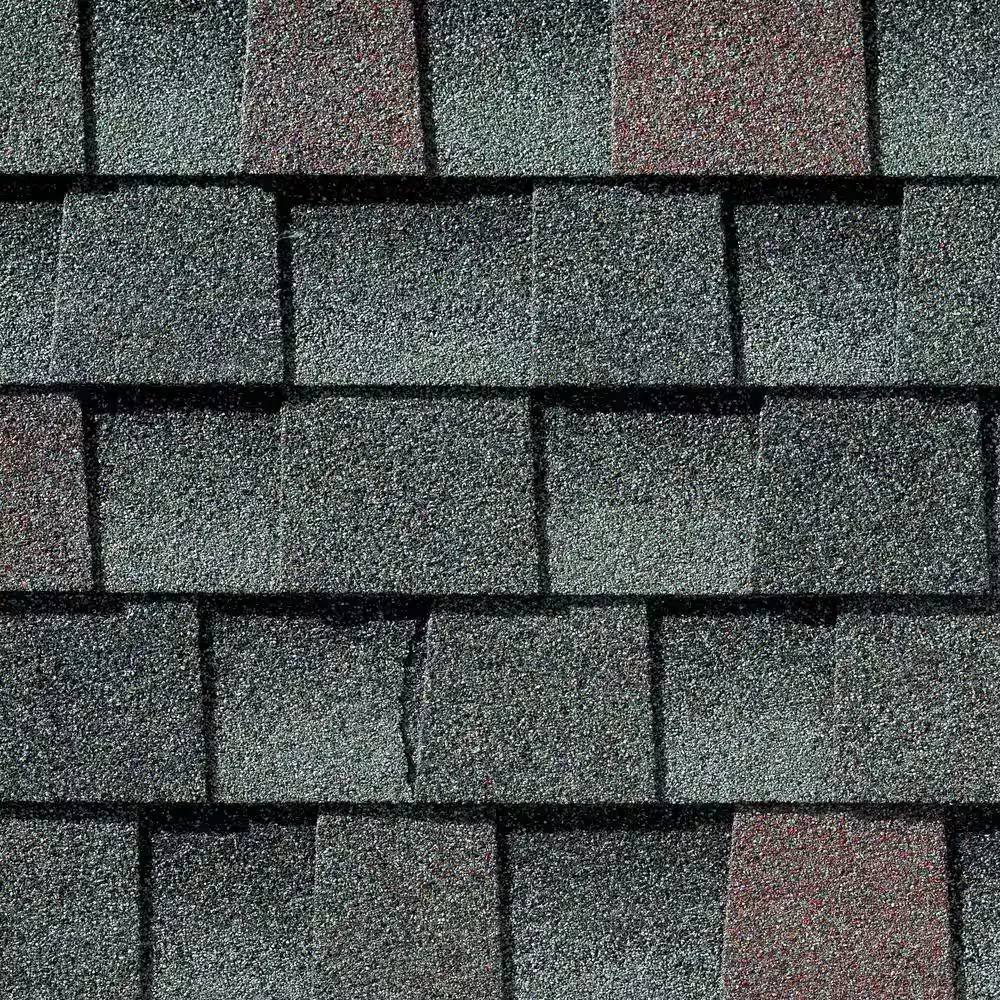
Williamsburg Slate - This color brings a slate-like appearance with subtle green and red undertones. It mimics how real slate naturally ages, which fits well with Illinois's mix of historic and traditional homes. It's more interesting than straight gray but still neutral enough for broad appeal.
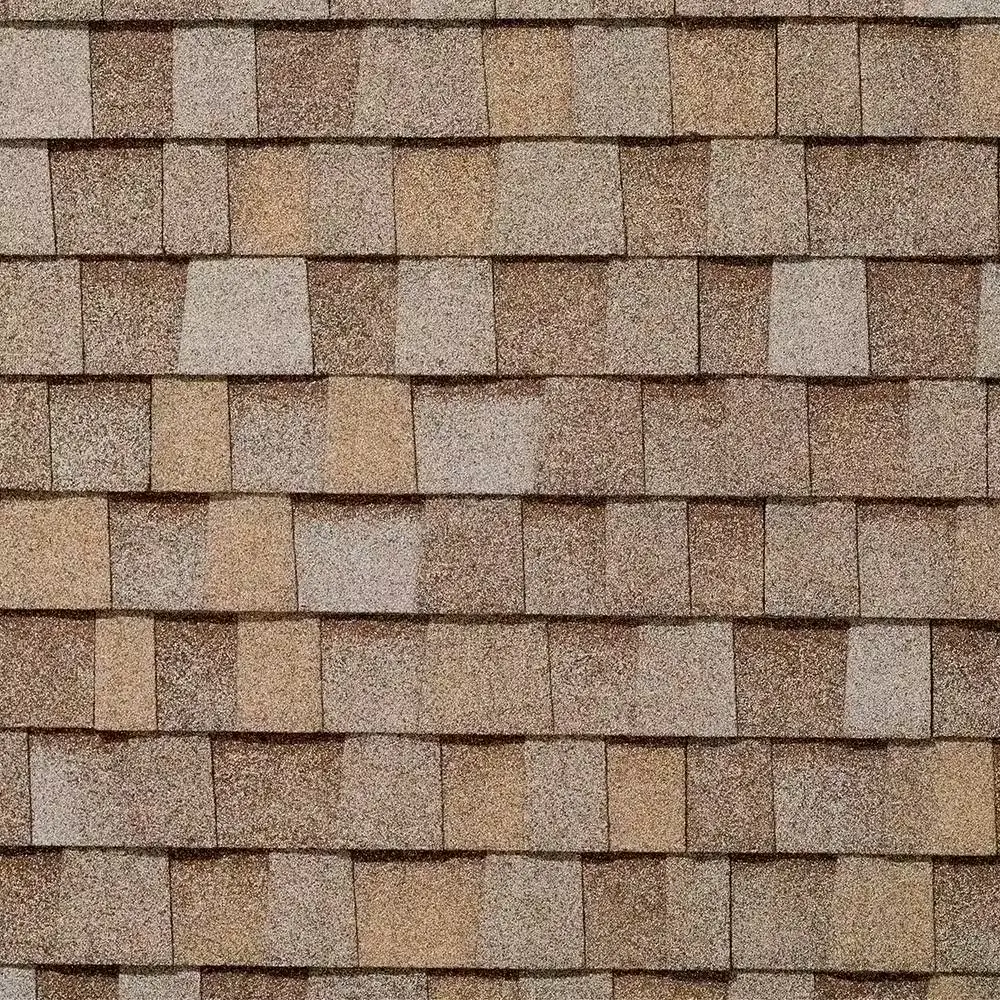
Lighter Neutrals - Sand, taupe, and light gray are gaining traction, especially for homeowners concerned about summer cooling costs. These shades reflect more sunlight than darker options, which can genuinely make a difference when July rolls around. They also make smaller homes appear larger and create an airy, open feeling.
What Illinois Weather Does to Your Color Choice
Our climate throws everything at roofs: humid summers, ice and snow, spring storms, and that occasional winter thaw that refreezes overnight. This defintelky affects how certain colors perform.
Darker shingles absorb heat which can help melt snow faster in winter but also increase attic temperatures in summer. If your home lacks proper ventilation then dark shingles might contribute to higher cooling bills. Lighter colors reflect more sunlight and stay cooler but they can show algae stains more easily in our humid climate.
You'll also want to think about how colors look under different light conditions. Illinois gets plenty of overcast days and certain shades can look washed out or muddy when the sun isn't shining, but don't worry, those types of days don't last forever. Charcoal and pewter tend to hold their appearance better across different weather conditions than lighter shades.
Nature-Inspired Tones Are Making a Statement
Who would've thought? Green roofs are becoming less unusual. Forest green and sage shades are showing up on more homes especially in suburban and rural areas. These colors work surprisingly well with white, gray, or natural wood siding, and they blend beautifully if you have landscaping or wooded views.
Earthy browns, beyond the standard weathered wood, are also recently trending. Think terracotta undertones, clay shades, and warm tans that echo natural materials. These colors complement brick exteriors and stone accents while adding warmth without going full rustic.
The appeal is partly aesthetic but also practical. All nature inspired colors tend to age more gracefully because they already look organic and textured. A little moss or weathering just adds character rather than looking like damage.
How to Actually Choose Your Color
Alright let's talk about making the decision. Start by looking around your neighborhood. Now you don't have to match everyone else but wildly different choices can work against you if you plan to sell. Notice what colors dominate and what looks out of place.
Next consider your siding and trim. Lighter siding gives you the most flexibility because nearly any roof color works. If you have brick then you'll want to coordinate with the undertones. Red brick pairs well with charcoal, dark brown, or even deep green. Tan or beige siding works beautifully with weathered wood or brown shingles.
Test samples on your actual roof if possible. Shingle colors look completely different under real lighting conditions than they do in a showroom or online. Get full sized sample boards from your roofing company and place them on your roof. Check how they look in morning light, afternoon sun, and on cloudy days. You'll be surprised how much the color shifts.
Think about permanence. You're choosing a color that'll be on your home for 20 to 30 years. so trendy might sound fun now, but will you still like that bold blue in a decade? Classic neutrals age better and appeal to future buyers if you sell.e
Architectural Shingles Add Another Layer
Here's something people don't always realize: the type of shingle affects how the color looks. Standard 3 tab shingles create a flat uniform appearance. Architectural shingles on the other hand have multiple layers that create shadows and depth making the color richer and more varied.
These premium shingles typically come in blended color options rather than solid tones. A "charcoal" architectural shingle might include shades of black, gray, and even subtle brown. This creates visual interest and a more natural & textured look. The shadow lines also help the roof appear fuller and more substantial.
If you want your roof to be a feature rather than just a covering, architectural shingles deliver. They tend to cost more upfront, but the improved appearance make them the standard choice for most roof replacement projects.
What About Resale Value?
If you're replacing your roof within a few years of selling, stick with the safe neutrals. Charcoal gray, pewter, weathered wood, or brown shingles appeal to the widest range of buyers. They complement various siding colors and don't force buyers to "see past" your personal taste.
Real estate agents consistently recommend new roofing as one of the top projects before listing a home because here's the thing, the roof is visible from the street so a fresh neutral roof signals that the home has been well maintained.
Bold colors can work if your home's style supports it and if the color is already established in your neighborhood but unusual shades limit your buyer pool and can raise questions about whether the roof will need to be replaced soon just to appeal to more people.
Practical Planning for Your Roof Replacement
Once you've settled on a color, the actual planning begins. Schedule your project for spring or fall if possible to avoid both peak-season pricing and weather delays. Get at least three estimates from licensed roofing companies with solid reputations. Check for proper insurance and warranties on both labor and materials.
Make sure your contract specifies the exact shingle brand, style, and color code. "Charcoal gray" means different things to different manufacturers, and you want what you picked, not what the roofer has in stock. Ask about underlayment, ventilation, and ice and water shield installation, especially for Illinois's freeze-thaw cycles.
What to Consider Next
Choosing a roof color involves more than picking your favorite shade from a chart. Consider your home's style, your neighborhood's character, and Illinois's climate demands. Think about long-term appeal versus trendy choices, especially if you might sell in the next decade.
Test colors in real lighting conditions, coordinate with existing exterior elements, and choose quality materials that'll last. When you factor in the cost and the years you'll live with this decision, taking time to get it right makes sense.
And yeah, get multiple estimates. A $3,000 difference between quotes isn't unusual in this business but make sure you're comparing the same quality materials and installation standards. The cheapest bid often cuts corners somewhere you'll regret later.