.webp)
ACV vs. RCV Roof Coverage: What Homeowners Need to Know Before the Next Storm

Aaron Venegaz is the President and founder of Global Exterior Experts and has been in the construction / roofing industry for over 15+ years. He started the company back in 2010 and done everything from scheduling appointments to putting down roofs. He's also done everything from commercial roofing to residential roofing and has also worked with almost every single roofing material multiple times over the past 15 years.
Here's the short answer: hail that is 1 inch across, about the size of a quarter, is usually the point where you have enough damage to file a roof claim. That's the line most insurance companies watch for. Really anything at or above that size is worth a closer look, and often worth a call to a trusted roofing company to give you a roof inspection.
But size alone doesn't tell the whole story. A 3/4-inch stone driven by strong wind can do more harm than a 1-inch stone that falls straight down on a calm day. And an older roof takes damage that a newer one shrugs off. So while 1 inch is the number to remember, it's the starting point, not the finish line.
Let's break down what actually happens at each size, how to spot the damage yourself, and what to do next.
Hail Size and What It Does to Your Roof
Meteorologists compare hail to everyday objects. Here's how each size tends to affect a standard asphalt shingle roof:
- Pea (1/4 inch): Rarely a problem on newer roofs. On a roof past 12 to 15 years old, repeated pea hail can speed up granule loss.
- Marble to dime (1/2 inch): Can start to hurt older or worn shingles, especially when wind is involved. Usually below the claim threshold on newer roofs.
- Quarter (1 inch): This is where things get serious. Enough to cause bruising, granule loss, and cracks on most asphalt shingles. File-worthy in many cases.
- Golf ball (1.75 inches): Real damage to nearly all roofing materials. Expect visible dents, cracked shingles, and busted vents.
- Baseball (2.75 inches): The heavy hitters. Often means a full replacement, and sometimes punctures right through to the decking.
Keep in mind that hail size can change a lot inside a single storm. It's common for the stones to vary by half an inch over just a few hundred feet. So what fell two streets over may not match what hit your home.
Why 1 Inch Is the Magic Number
One inch isn't a random pick. It's the National Weather Service threshold for a severe thunderstorm, and that line was drawn because hail damage climbs sharply once stones reach that size.
At 1 inch and up, the stone carries enough energy to fracture the mat under your shingles or knock the protective granules loose. Once those granules are gone, the black asphalt underneath is exposed to the sun, and the shingle ages fast. That lost lifespan is exactly what a claim is meant to cover.
It's Not Just Size: Wind and Roof Age Change Everything
Two things push damage past what the size chart suggests.
Wind speed. Hail blown sideways by a 60 mph gust hits far harder than hail falling straight down. The mix of size and wind is what really cracks a shingle, so a smaller stone in a nasty storm can outdo a bigger one on a still day.
Roof age. A 15-year-old shingle has dried out and lost its flex. The same stone that bounces off a 5-year-old roof can bruise or split an aging one. If your roof is past the 12-year mark and you got hit with anything from dime to golf-ball size, get it looked at.
Functional Damage vs Cosmetic Damage
This distinction is the whole ballgame when it comes to a claim (and it's the part insurers fight over most).
Functional damage means the shingle can no longer do its job. That includes bruising where the mat is fractured, granules stripped down to bare asphalt, cracked or split shingles, and tabs lifted loose from repeated hits. This is claimable.
Cosmetic damage changes how the roof looks but not how it works, like a light scuff or a dent in soft metal. Many policies now carry cosmetic exclusion clauses, so read yours before assuming a dented metal roof is covered.
How to Spot Hail Damage From the Ground
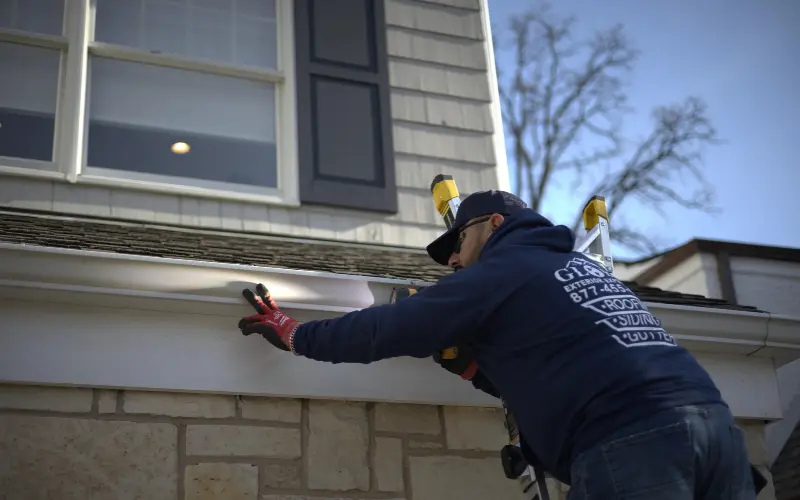
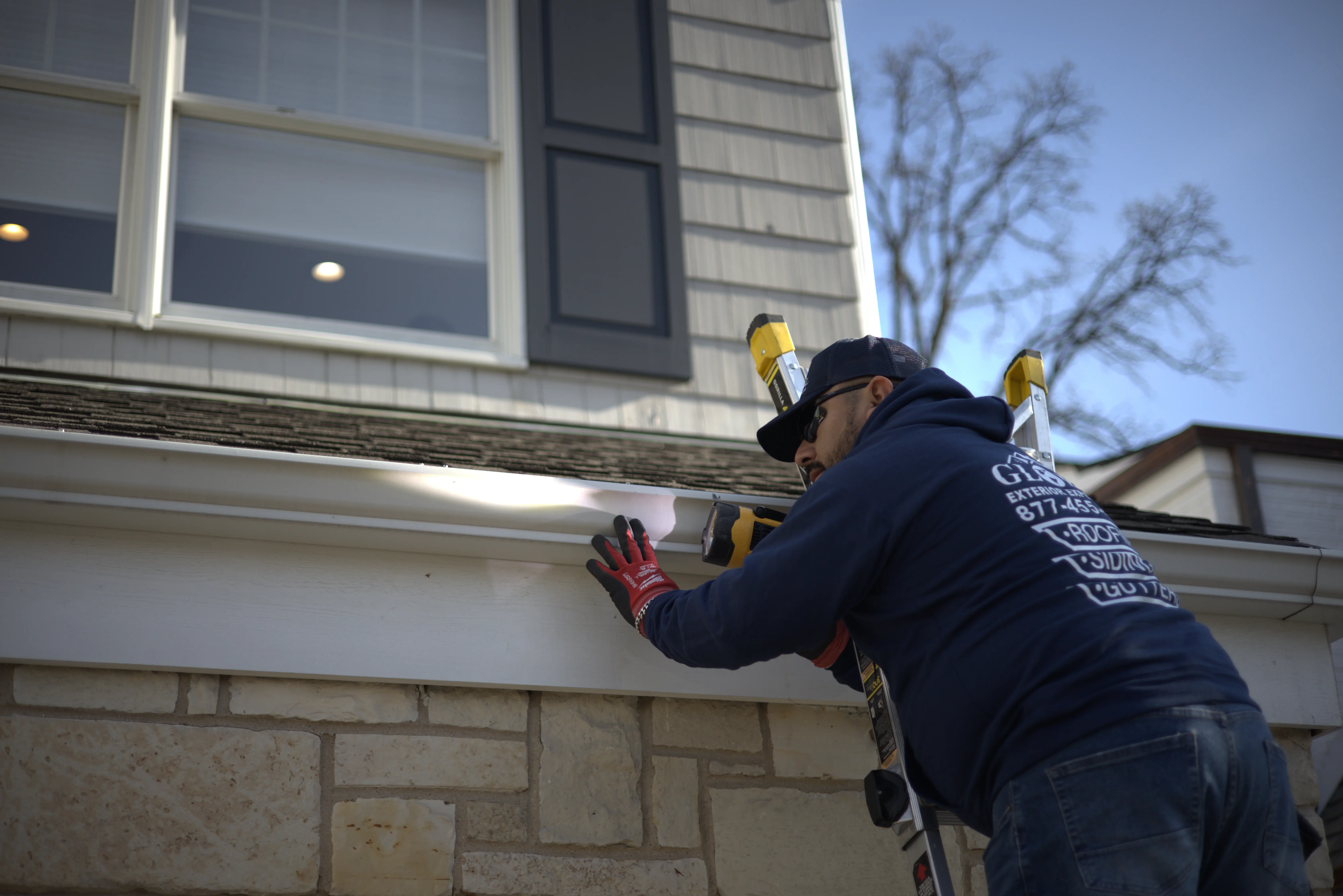
Climbing up after a storm is risky, and you don't need to. A lot of the evidence shows up at eye level. Grab a pair of binoculars and check for:
- Dented gutters and downspouts. Soft aluminum dents at known hail sizes, so it's a reliable clue.
- Granules in the gutters. Piles that look like coarse sand mean your shingles are shedding their coating.
- Dents on the AC unit and vents. The cooling fins are soft and pockmark easily. If they got hit, your roof likely did too.
- Dings on siding and windowsills. Damage here usually points to roof damage above.
- Bald spots on shingles. Dark patches where the granules are gone.
If a couple of these show up, it's time for a professional look. Functional hail damage often isn't visible from the ground at all, which is the whole reason a real inspection matters.
What a Roof Inspection Actually Involves
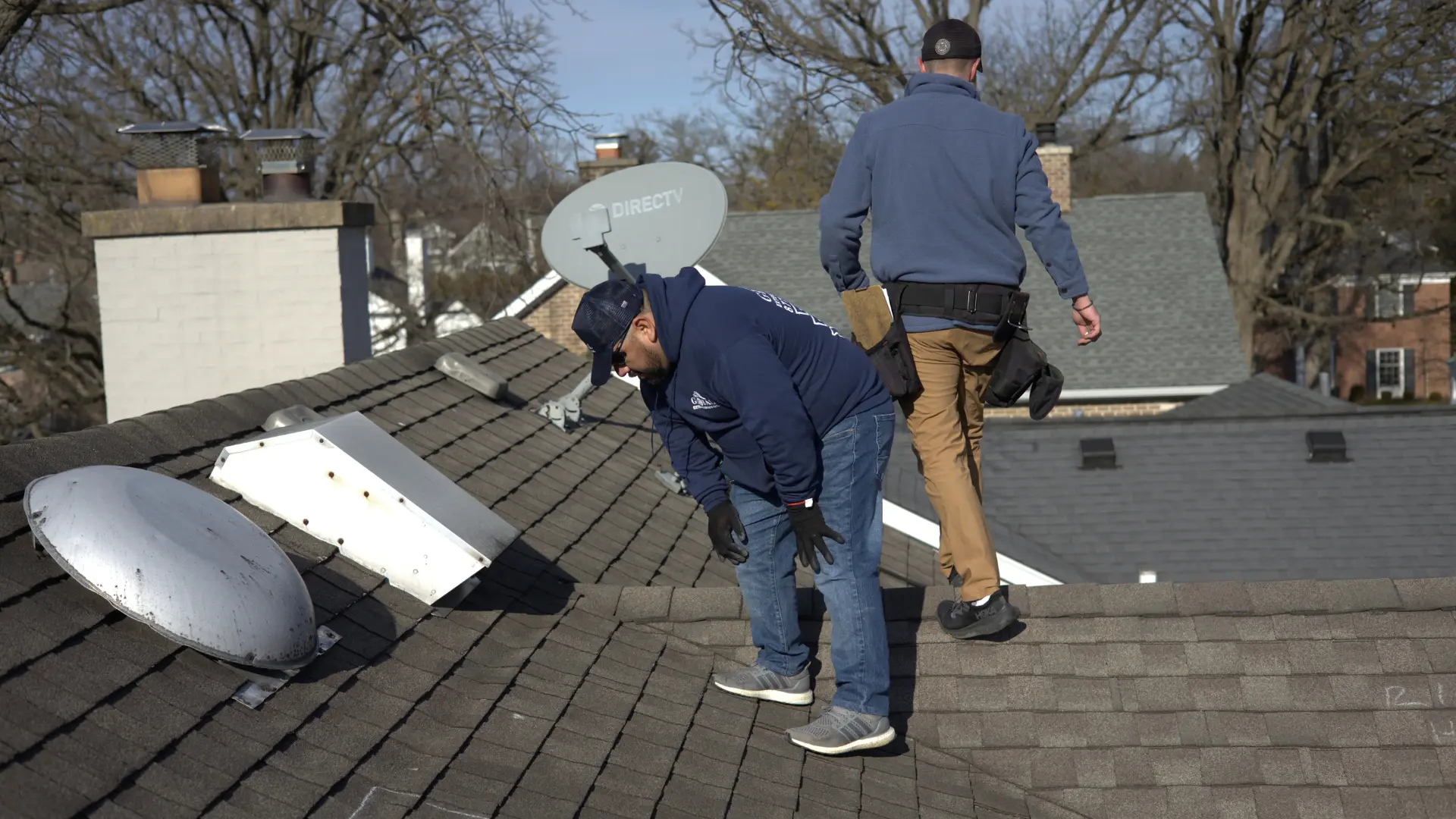
A proper roof inspection is more than a quick glance. We work the roof in sections, usually the four slopes, and mark out a 10-by-10-foot test square on each face. Inside that 100 square feet, we count the hail hits and check for bruising by pressing on suspect spots. A bruise feels soft, like a bad spot on an apple.
We also document spatter marks, which show the direction and rough size of the stones. This paper trail is what backs up your claim when the adjuster arrives. A good roofing company will do this inspection free and walk you through exactly what they find, with photos.
Cost Ranges and Timelines
Alright, let's talk money and time, kept realistic.
Repairs for a few cracked or missing shingles often run a few hundred dollars. A full hail replacement is a different story, landing anywhere from about $4,250 to $25,000 or more, depending on size, pitch, and material. If you have hail coverage, your out-of-pocket is usually just your deductible.
On timing: most claims process in 30 to 60 days once filed. The repair itself, after approval, often takes a day or two of actual work, though scheduling can stretch longer after a big storm when every crew in the area is booked. Material delays and permit backlogs (which are more common than folks expect) can add time too, so build in a little cushion.
Filing Your Claim: Steps and Deadlines
Move quickly. Evidence fades, and most policies give you only 6 to 12 months from the storm date, though some allow up to two years. Waiting makes it harder to prove the bruises came from that storm and not three years of sun. Here's the order that works best:
- Get a professional roof inspection first, before you call your insurer.
- Document everything with photos, and place a quarter next to a dent for scale.
- Pull your weather reports and note the storm date.
- File the claim and have your roofer present when the adjuster comes out.
- Review your policy for ACV vs RCV coverage, since that decides your payout.
One caution: if you call the insurer and the adjuster finds nothing, that zero-pay claim still lands on your record. So confirm you have real damage before filing.
The Bottom Line and Your Next Step
Remember the number: 1 inch. That quarter-size stone is the point where most roofs take claimable damage, and where your insurer starts paying attention. But wind and roof age can drop that threshold, so don't wave off a smaller storm on an older roof.
Your smartest next move is a free roof inspection from a trusted roofing company after any real hail event. It costs you nothing, it catches damage you can't see from the ground, and it protects your claim window. A bruised shingle today is a leak next year. Get eyes on it while the evidence is still fresh.