.webp)
What Is Roofing Underlayment and Why Does It Matter?

Aaron Venegaz is the President and founder of Global Exterior Experts and has been in the construction / roofing industry for over 15+ years. He started the company back in 2010 and done everything from scheduling appointments to putting down roofs. He's also done everything from commercial roofing to residential roofing and has also worked with almost every single roofing material multiple times over the past 15 years.
When property owners compare DIY roofing to hiring a professional Roofing Contractor, the first thing they usually look at is price. On paper, doing the work yourself can look thousands of dollars cheaper. But once you factor in tools, waste, permits, material mistakes, safety risks, and future repairs, the gap often gets much smaller.
For minor repairs, DIY roofing may save money if you already have the right tools and experience. For a full roof replacement, professional installation is usually the more cost-effective option long term because it reduces risk, protects warranties, and helps avoid expensive mistakes.
1. DIY Roofing vs Professional Roofing: The Real Cost Difference
Here’s the thing: roofing costs are not just about shingles and labor. The total price depends on time, equipment, disposal, permits, and the chance of something going wrong.
For a typical asphalt shingle roof:
• DIY roof replacement: roughly $4,000 to $11,000
• Professional roof replacement: roughly $12,000 to $25,000+
The size of the roof, slope, ventilation system, and local labor rates all affect pricing not to mention, premium materials like metal, slate, or tile can push costs much higher.
At first glance, DIY can appear to cut costs in half. But many property owners underestimate how quickly roofing expenses stack up once the project starts.
2. What You Actually Pay for With DIY Roofing
Alright, let’s talk about the hidden side of DIY roofing.
Most people price out shingles and underlayment, then stop there. Roofing projects usually require much more than that.
Common DIY Roofing Costs
• Roofing shingles or materials
• Underlayment and ice barrier
• Roofing nails and flashing
• Tear-off tools
• Dumpster rental
• Safety harnesses and roof anchors
• Extension ladders
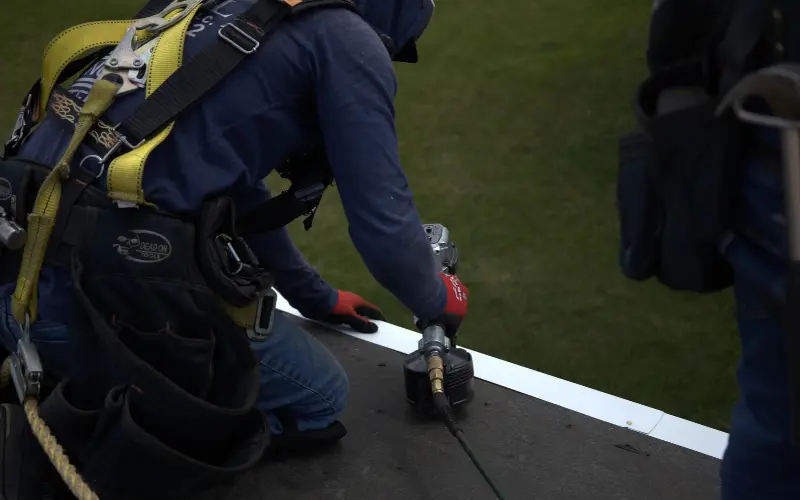
• Nail gun rental or purchase
• Permit fees
• Disposal costs
A single mistake can also create additional expenses. Misaligned shingles, poor flashing installation, or ventilation problems can lead to leaks that are not obvious right away (those are the expensive ones).
Even weather timing matters. If rain hits during a partially completed project, water damage inside the attic or insulation can quickly add thousands in repairs which a fast crew would avoid.
3. Why Professional Roof Replacement Costs More
Of course, none of this comes free. Hiring a professional roofing contractor costs more because you are paying for labor, expertise, insurance, and project management.
A professional crew typically handles:
• Material delivery
• Roof tear-off
• Deck inspection
• Flashing replacement
• Ventilation adjustments
• Code compliance
• Cleanup and disposal
• Final inspection
Professional roofing companies also carry liability insurance and workers’ compensation coverage. That matters more than many property owners realize. If an accident happens during a DIY project, medical and liability costs could become the homeowner’s responsibility.
There is also speed. A professional roof replacement often takes 1 to 3 days for an average home. DIY projects can stretch into several weekends, especially if weather interrupts progress.
4. The Biggest Hidden Cost: Roofing Mistakes
This is where DIY roofing projects can become expensive very fast.
Roofing systems are layered in a specific order to control water flow and ventilation. One incorrect step can create leaks months later. Sometimes the roof looks perfectly fine from the ground, which makes the problem harder to catch.
Common DIY Roofing Mistakes
• Incorrect flashing installation around chimneys or valleys
• Poor attic ventilation
• Overdriven roofing nails
• Misaligned shingles
• Missing drip edge components
• Improper underlayment overlap
• Ignoring soft roof decking
Who would’ve thought a tiny flashing gap could lead to mold inside a wall cavity? Roofing problems rarely stay small.
Professional roof replacement crews usually spot issues before shingles go on. Rotten decking, hidden moisture damage, or ventilation imbalance can be corrected during installation instead of becoming larger structural repairs later.
5. How Roofing Warranties Affect Long-Term Costs
Many roofing materials include manufacturer warranties, but there is an important detail buried in the paperwork.
Some warranties only stay fully valid when installed according to manufacturer specifications. Improper installation may reduce coverage or void parts of the warranty entirely.
Professional roofing contractors also often provide workmanship warranties in addition to material warranties.
That means if something fails because of installation issues, repairs may already be covered.
With DIY roofing, the responsibility falls entirely on the property owner. If shingles blow off during a storm because fastening patterns were incorrect, repairs come out of pocket.
6. Safety Costs Are Easy to Underestimate
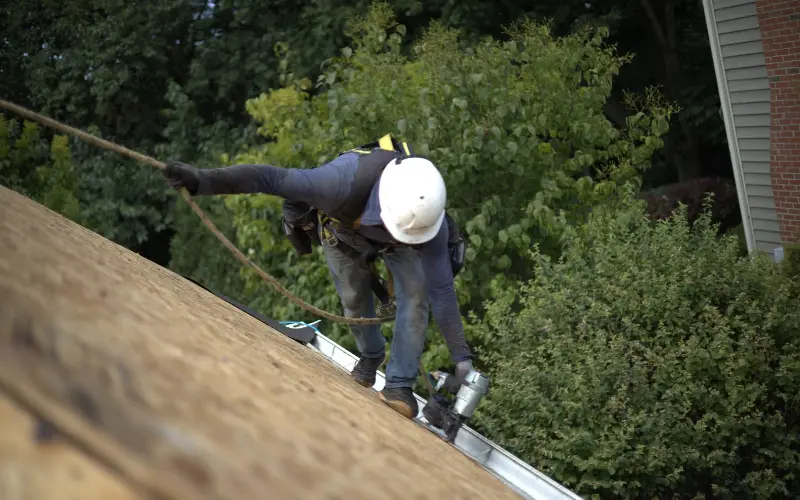
Roofing is physically demanding and dangerous work. Falls remain one of the largest injury risks in construction.
Steep roofs, high temperatures, loose granules, and unstable decking all create hazards. Even a one-story home can become dangerous during a roofing project.
Basic Roofing Safety Equipment
• Fall protection harnesses
• Roof anchors
• Stabilized ladders
• Non-slip footwear
• Safety glasses
• Gloves
• Debris management equipment
Professional crews train for these conditions daily. DIY property owners often underestimate fatigue and heat exposure, especially during summer roof replacement projects.
And here’s another thing many people miss: some insurance policies may not cover injuries connected to unlicensed construction work performed by the homeowner.
7. Permits, Inspections, and Local Code Requirements
Here’s where projects can get unexpectedly complicated.
Many cities and counties require permits for roof replacement work. Some areas also require updated ventilation or ice barrier systems to meet current code.
A roof that was installed 20 years ago may no longer meet today’s standards.
Possible Code-Related Costs
• Permit applications
• Inspection fees
• Decking replacement requirements
• Updated flashing standards
• Ventilation upgrades
• Ice and water shield requirements
Material shortages and inspection delays can also slow projects down. During busy storm seasons, permit approval timelines sometimes stretch longer than expected.
Professional roofing contractors usually handle these requirements as part of the project. DIY homeowners often have to navigate the process themselves.
8. When DIY Roofing Actually Makes Sense
To be fair, not every roofing task requires a full professional crew.
DIY roofing can make sense for smaller maintenance projects if the roof is easy to access and the homeowner has experience working safely at height.
DIY Roofing Projects That May Be Manageable
• Replacing a few damaged shingles
• Cleaning roof debris
• Sealing minor flashing gaps
• Gutter maintenance
• Small detached garage repairs
But a full roof replacement is very different from a basic repair.
Large roofing projects involve structural evaluation, ventilation balancing, waterproofing layers, and careful material installation across the entire roofing system.
For multi-story homes, steep slopes, or storm-damaged roofs, professional installation is usually the safer and more reliable option.
9. Comparing Long-Term Value Instead of Upfront Price
Here’s the real question property owners should ask:
“What will this roof cost me over the next 20 years?”
A cheaper installation that fails early may cost more overall than a properly installed roof with strong warranty coverage.
Professional roof replacement may provide:
• Longer roof lifespan
• Better energy efficiency
• Improved ventilation
• Reduced leak risk
• Higher resale value
• Better insurance documentation
DIY roofing may save money initially, but repeat repairs can erase those savings quickly.
And if a roof replacement has to be redone earlier than expected, material and labor inflation can make the second project far more expensive than the first.
10. How to Decide Between DIY and Hiring a Roofing Contractor
Alright, let’s simplify the decision.
DIY roofing may work if:
• The repair is small
• The roof is low-slope and accessible
• You already own safety equipment
• You understand roofing systems
• Local codes allow homeowner installation
Hiring a professional roofing contractor is usually the better choice if:
• The roof needs full replacement
• Structural damage may exist
• The roof is steep or complex
• Warranty protection matters
• Time is limited
• Storm damage is involved
Before starting any roofing project, compare more than just labor pricing. Look at warranty protection, timelines, disposal costs, safety requirements, and the likelihood of future repairs.
Final Thoughts on DIY vs Professional Roofing Costs
DIY roofing can reduce upfront expenses, especially for small repairs. But for full roof replacement projects, professional installation often delivers better long-term value by reducing risks, protecting warranties, and improving roof lifespan.
The cheapest roofing option is not always the most affordable over time.
Before making a decision, evaluate the full scope of the project: materials, safety equipment, code requirements, cleanup, and the possibility of costly mistakes later. A roofing system protects the entire property underneath it, so the installation quality matters just as much as the shingles themselves.
If you are planning a roof replacement soon, start by getting a clear inspection and understanding the actual condition of the roof deck, ventilation system, and flashing components. That information usually makes the right decision much easier.