.webp)
What Is Drip Edge and Do I Need It?

Aaron Venegaz is the President and founder of Global Exterior Experts and has been in the construction / roofing industry for over 15+ years. He started the company back in 2010 and done everything from scheduling appointments to putting down roofs. He's also done everything from commercial roofing to residential roofing and has also worked with almost every single roofing material multiple times over the past 15 years.
The most fire-resistant roofing materials are Class A–rated systems like metal, slate, clay tile, concrete tile, and certain fiberglass asphalt shingles. These materials resist ignition, slow flame spread, and help protect the structure underneath. If fire safety is a priority, a roofing company will typically guide you toward Class A assemblies that meet local code and insurance standards.
Why Fire Resistance Matters for Your Roof
Here’s the thing, your roof is the first surface exposed to embers, sparks, and radiant heat. In many cases, homes don’t ignite from direct flames but from airborne embers landing on vulnerable roofing materials.
A fire-resistant roof helps by:
• Preventing ignition from embers
• Slowing flame spread across the surface
• Protecting decking and attic spaces
• Improving insurance eligibility in some areas
If you’re planning a roof replacement, this is one of the smartest upgrades you can make, especially in wildfire-prone or densely built neighborhoods.
Understanding Fire Ratings: Class A, B, and C
Before picking a material, you need to understand fire ratings. Roofing systems are tested and classified based on how well they resist fire.
• Class A: Highest protection, severe fire exposure
• Class B: Moderate protection
• Class C: Basic protection
Most modern building codes push for Class A. That’s what you should aim for unless your structure limits your options.
Important note: the rating applies to the full system, not just the surface material. Underlayment and decking matter too.
1. Metal Roofing: Durable and Highly Fire Resistant
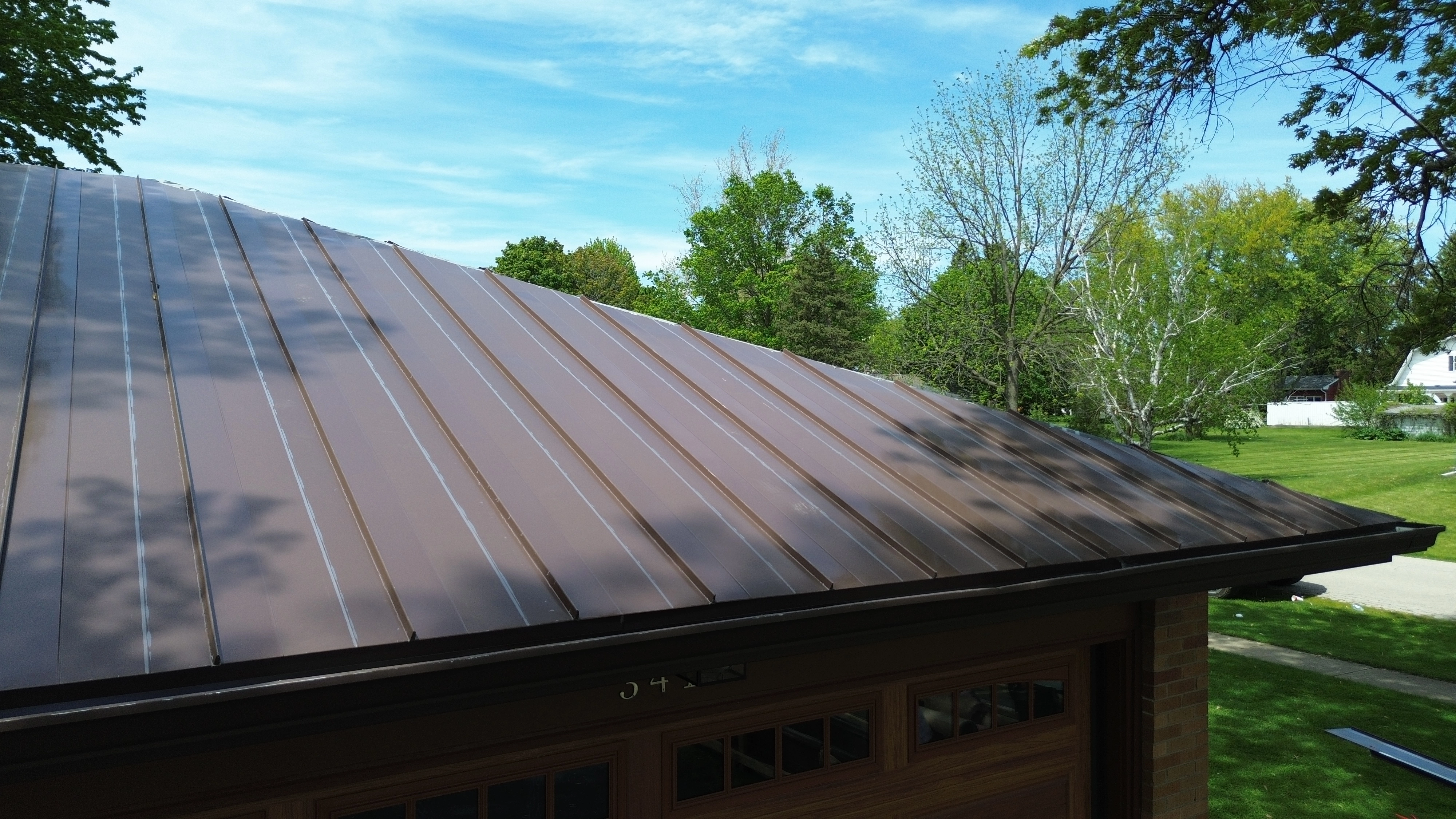
Alright, let’s talk about metal. This is one of the most reliable fire-resistant roofing options available.
Metal roofs are typically Class A rated because they are non-combustible. They don’t ignite under normal fire exposure.
Pros:
• Non-combustible surface
• Lightweight compared to tile or slate
• Long lifespan, 40 to 70 years
• Good at shedding embers
Cons:
• Higher upfront cost
• Can dent depending on gauge
• Requires proper installation to avoid gaps
Cost range: $10 to $20 per square foot installed
Timeline: 2 to 5 days for most homes
If your goal is maximum protection with minimal maintenance, this is a strong contender.
2. Clay and Concrete Tile: Heavy but Effective

Tile roofing is another top-tier fire-resistant option. Both clay and concrete tiles are naturally non-combustible.
These roofs perform extremely well under fire exposure due to their density and composition.
Pros:
• Class A fire rating
• Excellent heat resistance
• Long lifespan, 50+ years
• Strong curb appeal
Cons:
• Very heavy, may require structural reinforcement
• Higher labor costs
• Breakable if walked on improperly
Cost range: $12 to $25 per square foot installed
Timeline: 5 to 10 days depending on complexity
Of course, none of this comes free. Structural upgrades can add cost, so always verify load capacity before committing.
3. Slate Roofing: Natural Stone Protection
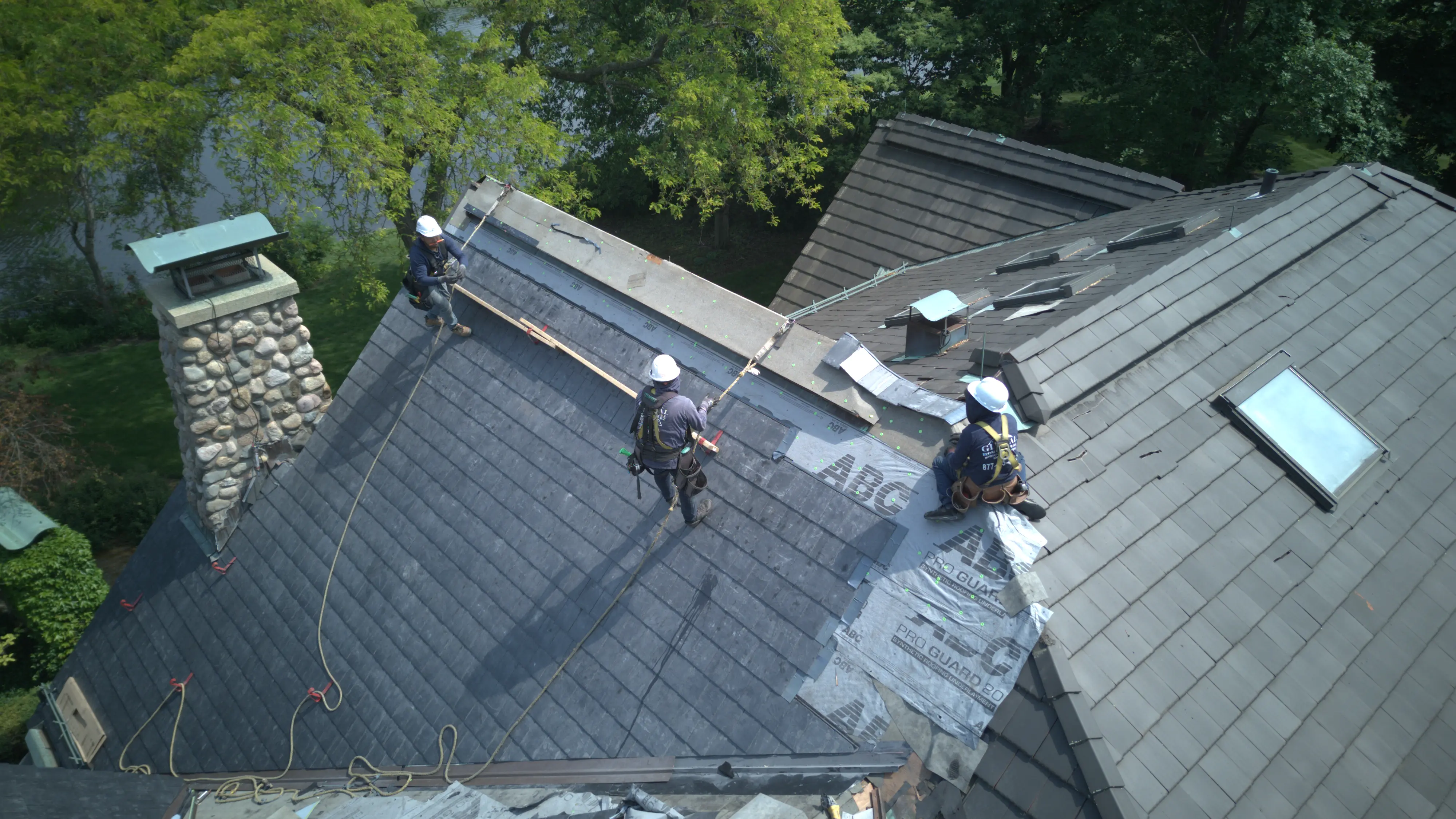
Slate is one of the oldest and most fire-resistant roofing materials still in use.
Because it’s natural stone, slate does not burn. That gives it a built-in Class A rating.
Pros:
• Completely non-combustible
• Extremely long lifespan, often 75 to 100 years
• Premium appearance
Cons:
• Very expensive
• Heavy, similar structural concerns as tile
• Specialized installation required
Cost range: $20 to $40 per square foot installed
Timeline: 1 to 2 weeks
This is a long-term investment. If installed correctly, it can outlast the home itself.
4. Asphalt Shingles: Budget-Friendly Fire Resistance
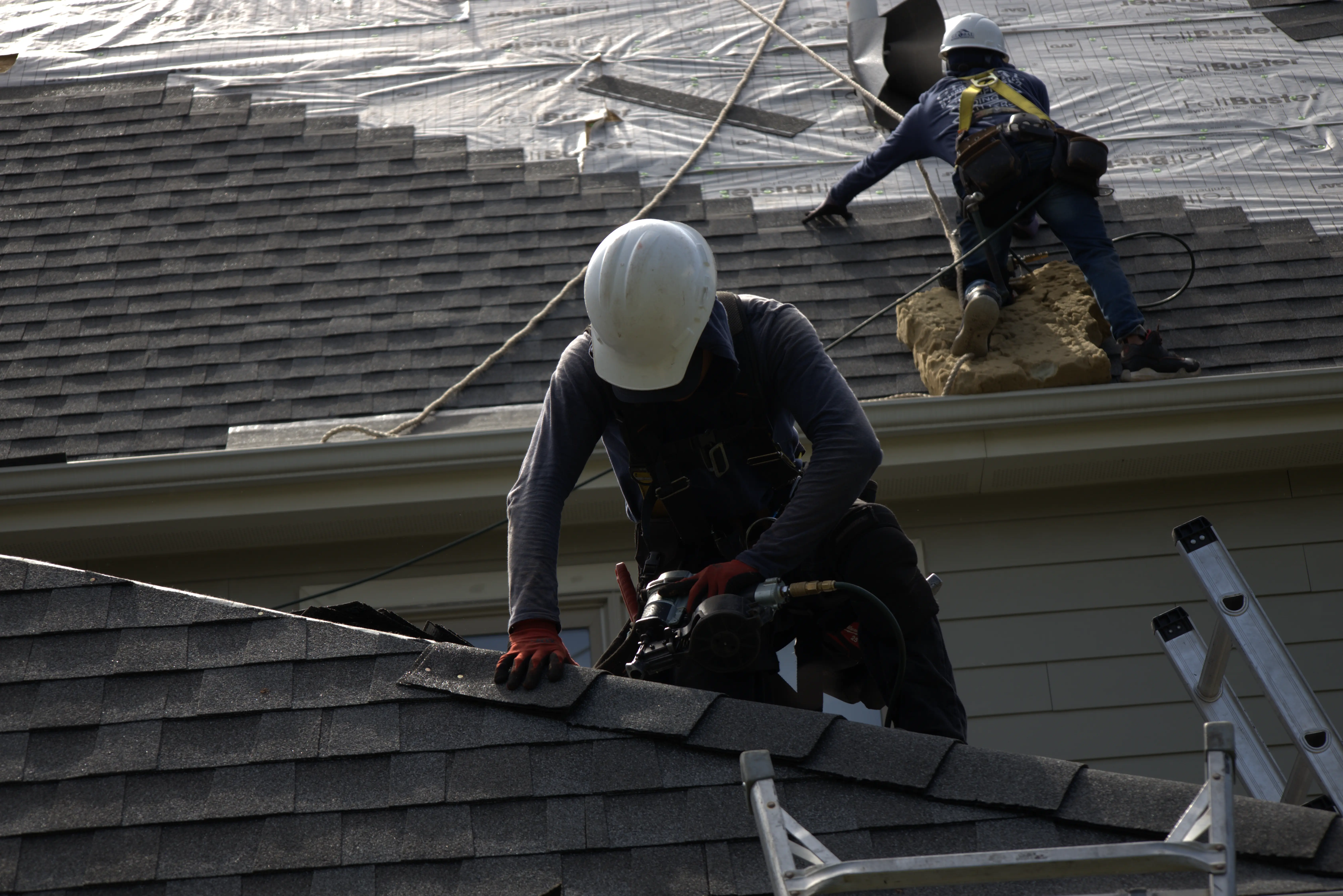
Now here’s where most homeowners land. Modern fiberglass asphalt shingles can achieve a Class A fire rating when installed as a full system.
Pros:
• Affordable and widely available
• Easier and faster installation
• Decent fire resistance with proper underlayment
Cons:
• Not fully non-combustible
• Shorter lifespan, 20 to 30 years
• Can degrade faster in harsh climates
Cost range: $5 to $10 per square foot installed
Timeline: 1 to 3 days
If you’re balancing cost and protection, this is usually the practical middle ground.
5. Composite and Synthetic Roofing Materials
Composite roofing mimics slate or wood but uses engineered materials designed to improve performance.
Many of these products are Class A rated and designed to resist fire, impact, and weather.
Pros:
• Lightweight compared to natural materials
• Often Class A rated
• Lower maintenance
Cons:
• Quality varies by manufacturer
• Mid-to-high price range
Cost range: $10 to $18 per square foot installed
Timeline: 3 to 7 days
This is a good option if you want the look of slate or shake without the structural load.
What About Wood Roofing?
Let’s be direct. Traditional wood shakes are not fire-resistant. They are combustible and typically fall into Class C unless treated.
Even treated wood:
• Requires ongoing maintenance
• May not meet stricter local codes
• Can still pose a higher risk compared to other materials
In many fire-prone areas, wood roofing is restricted or banned entirely.
Installation Details That Affect Fire Resistance
Here’s something most people miss. Fire resistance is not just about the material. It’s about the full system.
Key factors include:
• Fire-rated underlayment
• Sealed roof deck or ignition-resistant decking
• Proper flashing around vents and edges
• Ember-resistant vents
A poorly installed Class A roof can still fail under fire conditions. Precision matters here.
Costs, Permits, and Real-World Planning
Alright, let’s bring this together with some practical considerations.
Permits and codes:
• Many areas require Class A roofing
• Inspections may include underlayment and decking
• HOA guidelines can limit material choices
Material delays:
• Tile and slate can have longer lead times
• Specialty colors or profiles may delay projects
Budget planning:
• Expect full Roof Replacement costs to vary widely based on structure and material
• Structural upgrades can add 10 to 30 percent to tile or slate projects
Planning ahead avoids surprises during install.
How to Choose the Right Fire-Resistant Roof
So what should you actually choose?
Start with these filters:
• Local code requirements
• Budget range
• Structural capacity of your home
• Desired lifespan
• Aesthetic preference
If you want maximum protection, go metal, tile, or slate.
If you want balance, go Class A asphalt or composite.
Final Thoughts: What to Do Next
A fire-resistant roof is not just about safety, it’s about long-term durability and peace of mind.
Focus on:
• Choosing a Class A system
• Confirming structural compatibility
• Planning for full system installation, not just surface material
Next step, evaluate your current roof and determine whether a full Roof Replacement makes sense now or in the near future. Fire resistance is easiest to upgrade during replacement, not after the fact.