.webp)
ACV vs. RCV Roof Coverage: What Homeowners Need to Know Before the Next Storm

Aaron Venegaz is the President and founder of Global Exterior Experts and has been in the construction / roofing industry for over 15+ years. He started the company back in 2010 and done everything from scheduling appointments to putting down roofs. He's also done everything from commercial roofing to residential roofing and has also worked with almost every single roofing material multiple times over the past 15 years.
Roof material warranties cover manufacturing defects in your shingles, tiles, or metal roofing for a specific period, usually 20 to 50 years. They protect you if the materials fail due to problems with how they were made, not from installation mistakes the roofing company made, nor weather damage, or normal aging. That's the short answer, but there's more to understand about what protection you're actually getting.
.webp)
What Manufacturing Defects Actually Mean
Manufacturing defects refer to problems that originate at the factory. We're talking about shingles that crack prematurely, granules that fall off too quickly, or dimensional changes that cause warping. These are issues you can't see when the materials arrive on site, and they usually show up within the first few years if they're going to appear at all.
The warranty kicks in when materials fail before they should under normal conditions and a 30 year shingle shouldn't start losing its protective granule layer after just five years. That's a defect. On the other hand if your roof look worn after 28 years of harsh weather exposure, that's clearly expected wear and tear.
Standard Coverage Periods for Different Materials
Asphalt shingles typically carry warranties ranging from 20 to 50 years, which really depend on the product line. Basic three tab shingles might offer 20 to 25 years, while architectural or dimensional shingles often come with 30 year to lifetime warranties. Metal roofing warranties usually run 30 to 50 years just for the material itself which doesn't wear down nearly as fast, especially if we're talking standing seem metal roofing.
Here's where it gets tricky: many "lifetime" warranties are prorated. You get full coverage for maybe 10 or 15 years then the coverage decreases over time. By year 20, you might only receive 60% of the material cost if something goes wrong. Always check the fine print to see when proration starts and does it really mean for you and your roof.
Tile and slate warranties can extend even longer sometimes reaching 50 year warranties or more because these materials genuinely last decades when installed correctly. Synthetic alternatives often match or exceed traditional material warranties while costing less upfront because they're made of polymers which are basically reinforced plastic on your roof, that's not going anywhere.
What's Actually Covered Under Material Warranties
Material warranties protect against specific manufacturing failures. As mentioned things like premature granule loss on asphalt shingles is covered. Things like unexpected cracking, splitting, or tearing of the material when there's no visible cause like impact damage. Also dimensional instability where shingles warp or curl unnaturally falls under coverage too.
Algae resistant shingles come with separate algae warranties, usually spanning 10 to 15 years. If dark streaks appear despite the algae resistant treatment the manufacturer should replace those shingles but make sure you check the fine print on that one. Color defects or significant fading beyond normal weathering can also qualify for coverage, though proving "excessive" fading takes detailed documentation and it's hard to prove in it of itself.
Metal roofing warranties cover paint finish degradation panel perforation from rust through, and chalking beyond specified tolerances. Each manufacturer sets their own thresholds, so identical looking problems might be covered by one company but not another.
The Big Exclusions You Need to Know
Installation errors are never covered under material warranties. If your roofing company doesn't install the shingles per manufacturer specifications (wrong nailing pattern, improper ventilation, incorrect underlayment), the material warranty can be voided entirely so this is why hiring an experienced roofing company matters more than most property owners realize.
Storm damage, hail impacts, falling branches, and wind uplift fall outside material warranty coverage. That's what homeowner's insurance handles. Things like normal weathering, including gradual color changes and expected wear over time, isn't covered either. The materials are guaranteed to perform, not to look brand new forever.
Improper maintenance can void your coverage too so if you let things like moss and algae grow unchecked or if debris piles up and traps moisture, the manufacturer can deny claims for you not properly maintaining the roof. Most warranties require reasonable maintenance, though they don't spell out exactly what that means.
Workmanship Warranties vs. Material Warranties
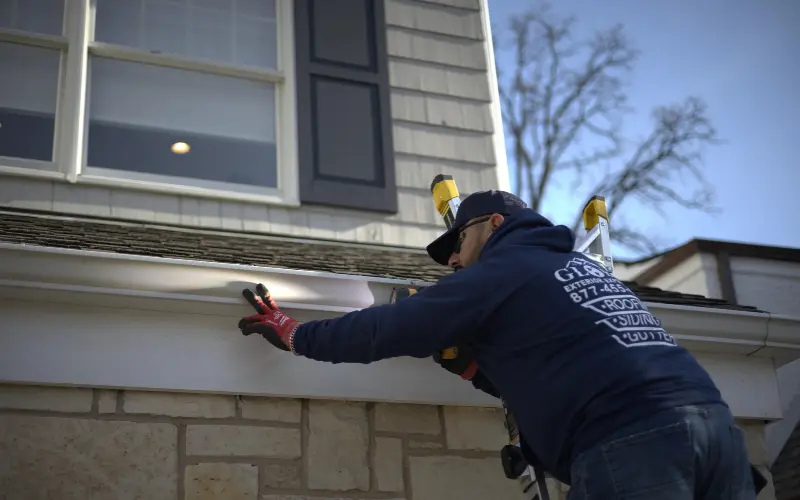
Here's something that confuses almost everyone: material warranties and workmanship warranties are completely separate. Material warranties come from the manufacturer and cover product defects. Workmanship warranties come from your roofing company and cover installation errors, typically anywhere from 1 to 10 years depending on the company. (We do a 10 year warranty)
Quality roofing companies offer longer workmanship coverage because they're confident in their installation. In some rare cases some manufacturers offer "system warranties" that combine material and workmanship coverage but your contractor must be certified with this company and follow strict installation guidelines to have you be qualified for a way longer warranty through their shingle partner. These comprehensive warranties usually cost extra as an add-on to your roof replacement project but give you more security in the long run.
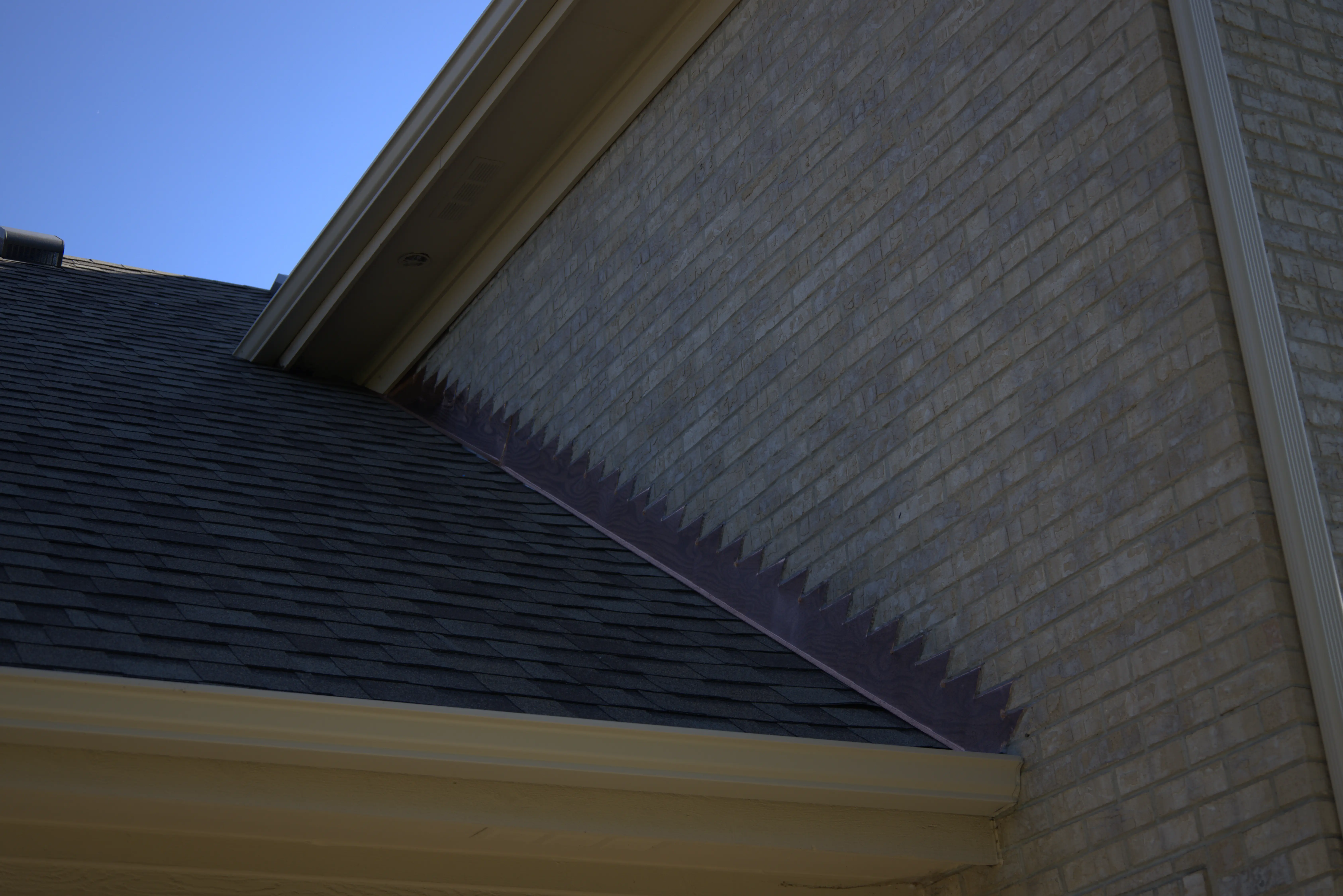
Without proper workmanship coverage, you're gambling on their quality and if they don't even have a warranty to begin with, that's a red flag to look out for. Material warranties won't help if your roof leaks because of poor flashing work or incorrect valley installation. Make sure you understand both types of coverage before signing any contracts.
How to Make a Warranty Claim
Start by documenting the problem with clear photos from multiple angles. Take shots that show the overall roof and close ups of the defect and make sure you note when you first noticed the issue and whether it's spreading.
Contact your roofing company first, not the manufacturer. Most contractors will inspect the roof to determine if it's a material defect or something else and if they confirm it looks like a manufacturing issue, they'll help you file the claim with the proper documentation.
The manufacturer will likely send an inspector to verify the defect but this process takes anywhere from two weeks to two months (sometimes longer). If / Once approved they'll either send replacement materials or issue a credit for more materials. You'll still pay for labor to remove the defective materials and install the replacements unless you have a system warranty that combines both.
Keep copies of everything: your original purchase receipt, installation date, contractor information, and all correspondence. Missing documentation is the fastest way to get a claim denied.
What Affects Warranty Transferability
Most material warranties are transferable to new property owners, but with a couple conditions. You usually need to notify the manufacturer within a specific timeframe 30 to 90 days after the sale of the home. Some warranties charge a transfer fee that could be around $50 to $100.
Transferred warranties often come with reduced coverage. Instead of the original 50 year term the new owner might only get 20 years remaining, or coverage might switch to the prorated version immediately. This impacts resale value since buyers consider roof condition and remaining warranty coverage.
System warranties on the other hand that combine both material & workmanship are harder to transfer because they're tied to the installing contractor's guarantee. Just check the specific terms before counting on warranty coverage to boost your home's marketability.
Realistic Costs When Warranties Don't Cover Everything
Even with a valid warranty claim you're looking at labor costs. Figure $6 to $10 per square foot for removal and reinstallation, depending on your roof's complexity and local rates. On a typical 2,000 square-foot roof replacement project, labor alone might run $10,000 to $15,000.
If the manufacturer only covers materials on a prorated basis, you'll pay the depreciated difference too. A roof that's 15 years into a 30 year warranty might only receive 50% material credit. Combined with full labor costs, you could still face a $10,000 to $15,000 expense on a warranted claim.
This is why prevention matters more than warranty coverage. Regular inspections and quick roof repairs prevent small issues from becoming warranty worthwhile disasters. Most roofing company service calls cost $150 to $300 which is truthfully far less than dealing with widespread failure.
Registration Requirements Most People Miss
Many manufacturers require warranty registration within 30 to 90 days of installation. Miss that window and your coverage might default to a shorter basic warranty instead of the full protection you paid for. Some companies have moved to automatic registration through contractor portals, but older products still require manual submission.
Save your proof of registration. We've seen manufacturers claim they never received registration paperwork years later when claims are filed. A confirmation email or registration number protects you from preventable administrative mistakes.
Extended warranties or upgraded coverage options definitely require registration because these premium warranties won't activate without proper documentation and often need certification that installation followed specific requirements (certain underlayments, ventilation standards, or accessory products).
Making Smart Decisions About Warranty Coverage
Look beyond the year count when comparing warranties. A 50 year prorated warranty that drops to 60% coverage after 10 years offers less protection than a 30 year warranty with 20 years of full coverage. Calculate the actual protection period, not just the total term.
Consider the manufacturer's reputation and longevity since a 40 year warranty means nothing if the company won't exist in 15 years. Stick with established manufacturers that have been around for decades and have financial stability to honor long term commitments.
Match your warranty expectations to your plans. If you're selling within 10 years that lifetime warranty probably isn't worth the premium cost. If you're staying long term though comprehensive coverage on a roof replacement project makes financial sense.
What You Should Do Next
Pull out your existing warranty documents and actually read them. Note the coverage period, proration schedule, and any registration requirements you might have missed. If you can't find the paperwork, contact the roofing company that did your installation or check the manufacturer's website for digital records.
Schedule a roof inspection if yours is over 10 years old or if you've noticed any unusual wear patterns. Catching problems early, while you're still within full warranty coverage, saves thousands compared to waiting until proration kicks in.
When you're ready for a roof replacement, ask potential roofing companies specific questions: What workmanship warranty do they offer? Are they certified for system warranties with major manufacturers? How do they handle warranty claims, and what's their track record? The answers tell you whether they'll actually stand behind their work when problems arise.
Roof material warranties provide real protection, but only when you understand exactly what they cover and what they don't. Most failures happen outside warranty coverage (installation errors, storm damage, neglect), which is why choosing the right roofing company matters more than the warranty terms themselves. Get both right, and your roof will protect your property for decades with minimal headaches.