.webp)
What Is Roofing Underlayment and Why Does It Matter?

Aaron Venegaz is the President and founder of Global Exterior Experts and has been in the construction / roofing industry for over 15+ years. He started the company back in 2010 and done everything from scheduling appointments to putting down roofs. He's also done everything from commercial roofing to residential roofing and has also worked with almost every single roofing material multiple times over the past 15 years.
Roof flashing is important because it seals the weak spots on your roof where water sneaks in. It is the thin metal that wraps around chimneys, vents, skylights, and valleys, directing water away instead of letting it pool and leak. Without good flashing even a brand new roof will fail at the seams despite shingles getting the credit for a long lasting roof. Flashing does the quiet dirty work of keeping your home dry.
Let's break down what it is, why it matters so much, and what you should watch for.
.webp)
What Roof Flashing Actually Does
Think of your roof as a big flat surface that sheds water. The flat parts are easy since shingles overlap and without any nail issues the roof stays solid. The trouble starts wherever two things meet: a wall, a pipe, a chimney, the spot where two roof planes form a valley and the shingles can't overlap / underlap into
Those joints are where water wants to get in and flashing covers those joints with metal so water rolls past them without seeping into your home.
Common flashing materials include:
- Aluminum
- Galvanized steel
- Copper
The material matters way less than how the install is done since a cheap piece of flashing put in perfectly beats expensive flashing slapped on wrong.
Where Flashing Lives on Your Roof
Here's the thing: flashing is everywhere where a roofing product can't overlap or underlap with another surface.
The main spots include:
- Chimneys
- Valleys (where two roof slopes meet)
- Skylights
- Walls
- Drip edges
Each spot uses a slightly different style of flashing custom made for that job. Step flashing for walls, counter flashing for chimneys, and so on. It all needs to be custom since not ever home is the same.
Why Bad Flashing Causes Big Problems
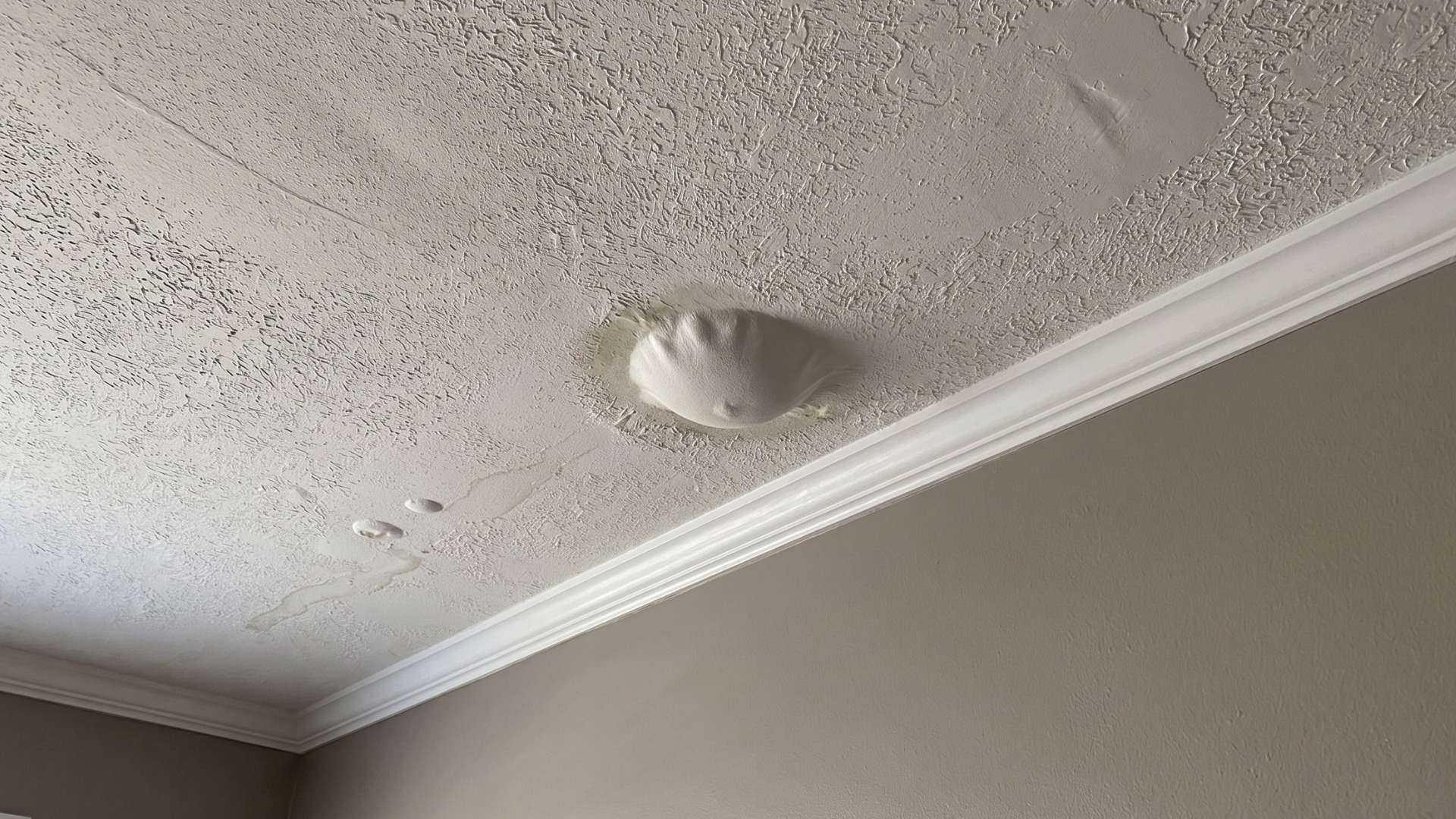
Most roof leaks do not start in the open field of shingles; they start at the flashing. When flashing fails water gets behind your roofing and just goes wherever it wants which is usually inside your home.
Things start to happen like:
- Rotted roof decking and rafters
- Stained or sagging ceilings
- Mold growth inside walls
- Ruined insulation
- Damaged drywall and flooring
- Ceiling bubbles on the top floor
A small flashing gap can soak a structure for months before you see a single water stain By then the repair is no longer small. This is why a good roofing company treats flashing as a core part of the job, not an afterthought.
How Flashing Gets Installed the Right Way
Alright, let's talk about doing it correctly. Flashing only works when it overlaps in the right direction, so water always flows over a seam and never into it.
A solid flashing job follows a few rules:
- Metal is always layered in a way that upper pieces cover the lower pieces
- Fasteners are placed where water cannot reach them
- Sealant backs up the metal but never replaces it
- Flashing tucks under siding or into mortar joints, not just on top with sealant
When someone relies on a thick blob of caulk instead of properly woven metal; that is a red flag. Caulk dries out and cracks within a few years but metal done right lasts decades.
Reflashing During a Roof Replacement
Here is a question worth asking before any roof replacement: is the crew replacing the flashing too?
Old flashing is often reused to save time and money but that's just a mistake that costs more money. New shingles over old, bent, or even rusted flashing is like putting fresh paint over rotten wood. It looks fine for a season but how good is wood that's rotted?
During a full roof replacement, you want:
- New step and counter flashing at walls and chimneys
- Fresh valley flashing
- New pipe boots around vents
Reflashing adds a little to the bill but skipping it almost always costs more later since as mentioned earlier, how good is rotted wood that's just been painted over? Industry data also consistently shows flashing failures among the top causes of roof leaks.
What Flashing Repairs and Replacement Cost
Costs tend to swing based on your roof's size, height, and how many tricky spots it has.
Here are broad, realistic ranges:
- Minor flashing repair (one pipe boot or small section): roughly $150 to $500
- Chimney reflashing: roughly $300 to $1,500 depending on size and access
- Full flashing replacement during a roof replacement: often $500 to $2,000 on top of the roofing cost
Steep roofs, multi-story homes, and copper flashing push prices toward the high end. A simple single-story ranch sits at the low end. Always get the flashing line spelled out in writing so it is not quietly left out of the quote.
Timelines: How Long the Work Takes
Flashing work is usually faster than people expect. A single repair, like a leaking vent boot, often takes an hour or two.
Rough timelines look like this:
- Small flashing repair: same day, often under two hours
- Chimney reflashing: half a day to a full day
- Full reflashing with a roof replacement: built into the 1 to 3 day roof timeline
One insider note: weather delays basically all of the project. Flashing still needs a dry surface to seal and bond so a rainy week can push your schedule back until it's clear.
Permits, Codes, and Surprises
A small detail many homeowners miss: flashing is often written into local building code. Inspectors check for proper drip edge, valley flashing, and chimney details on jobs that you have a permit to do.
A few things that catch people off guard:
- Some towns require a permit even for partial roof work
- Code may demand a wider valley flashing than what is already there
- Older chimneys sometimes need masonry repair before new flashing goes in adding more time and more money onto the project
These surprises are normal but catching them early keeps your project on schedule instead of stalling it mid-job.
How to Spot Flashing Trouble Early
You do not need to climb on the roof to catch most flashing issues since just looking from the ground or an upstairs window you might be able to see things like:
- Rust streaks or lifted metal near the chimney
- Cracked or missing caulk at roof joints
- Water stains on ceilings near vents or skylights
- Loose or buckled flashing after a storm
If you see any of these; get it checked before the next heavy rain aka ASAP. Small flashing fixes are cheap. Water damage repairs are not.
Planning Your Next Steps
Flashing is easy to ignore until it leaks so a little planning goes a long way. Start by booking a roof inspection, especially if your roof is over ten years old or you have noticed any stains inside.
Just ensure that when you talk to a roofing company ask these two direct questions:
- Will all flashing be replaced or just reused?
- What flashing material will you use?
Clear answers tell you whether you are dealing with a careful pro or someone just rushing the job.
The Bottom Line
Roof flashing is the unsung hero of a dry and healthy home. It guards the joints where shingles cannot but if and when it fails, the damage quickly spreads fast and quiet.
Whether you are fixing one leak or planning a full roof replacement, make flashing part of the conversation from day one. Insist on new metal, proper layering, and a written cost line. Doing that will ensure your roof will protect you for decades instead of springing surprises after the first big storm.