.webp)
What Is Roofing Underlayment and Why Does It Matter?

Aaron Venegaz is the President and founder of Global Exterior Experts and has been in the construction / roofing industry for over 15+ years. He started the company back in 2010 and done everything from scheduling appointments to putting down roofs. He's also done everything from commercial roofing to residential roofing and has also worked with almost every single roofing material multiple times over the past 15 years.
A metal roof lasts two to three times longer than asphalt, sheds weather better, and stands up to wind and fire. It also costs more upfront, can dent, and takes a trained crew to install right. If you plan to own the property for 15 years or more, metal usually earns its money back. If you are selling in three, asphalt is the smarter spend.
1. What Actually Counts as a Metal Roof
Here's the thing: "metal roof" covers a wide range of products, and the differences matter more than the material name.
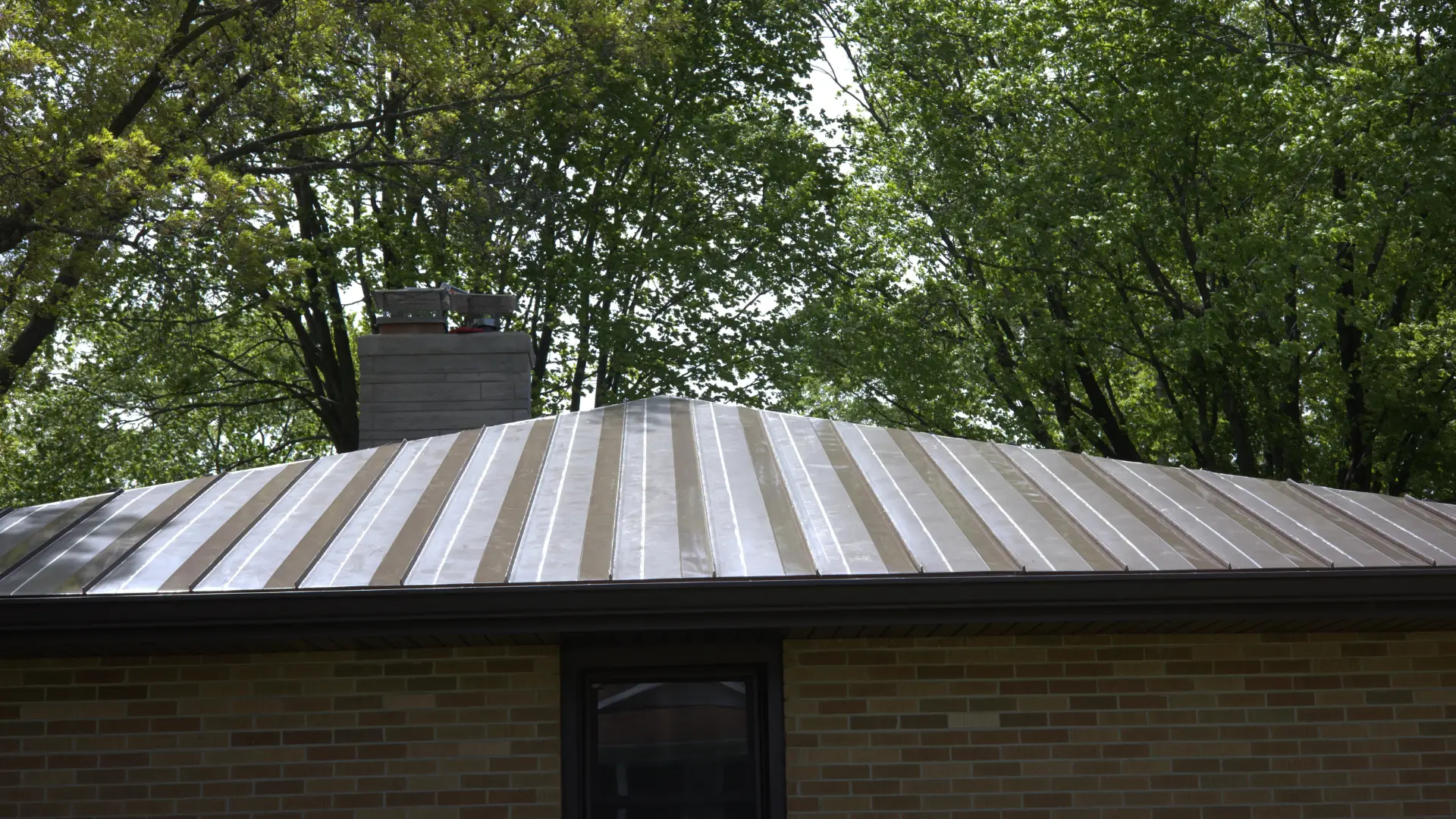
- Standing seam: vertical panels with hidden fasteners. The premium system, and the best performer in wind and rain.
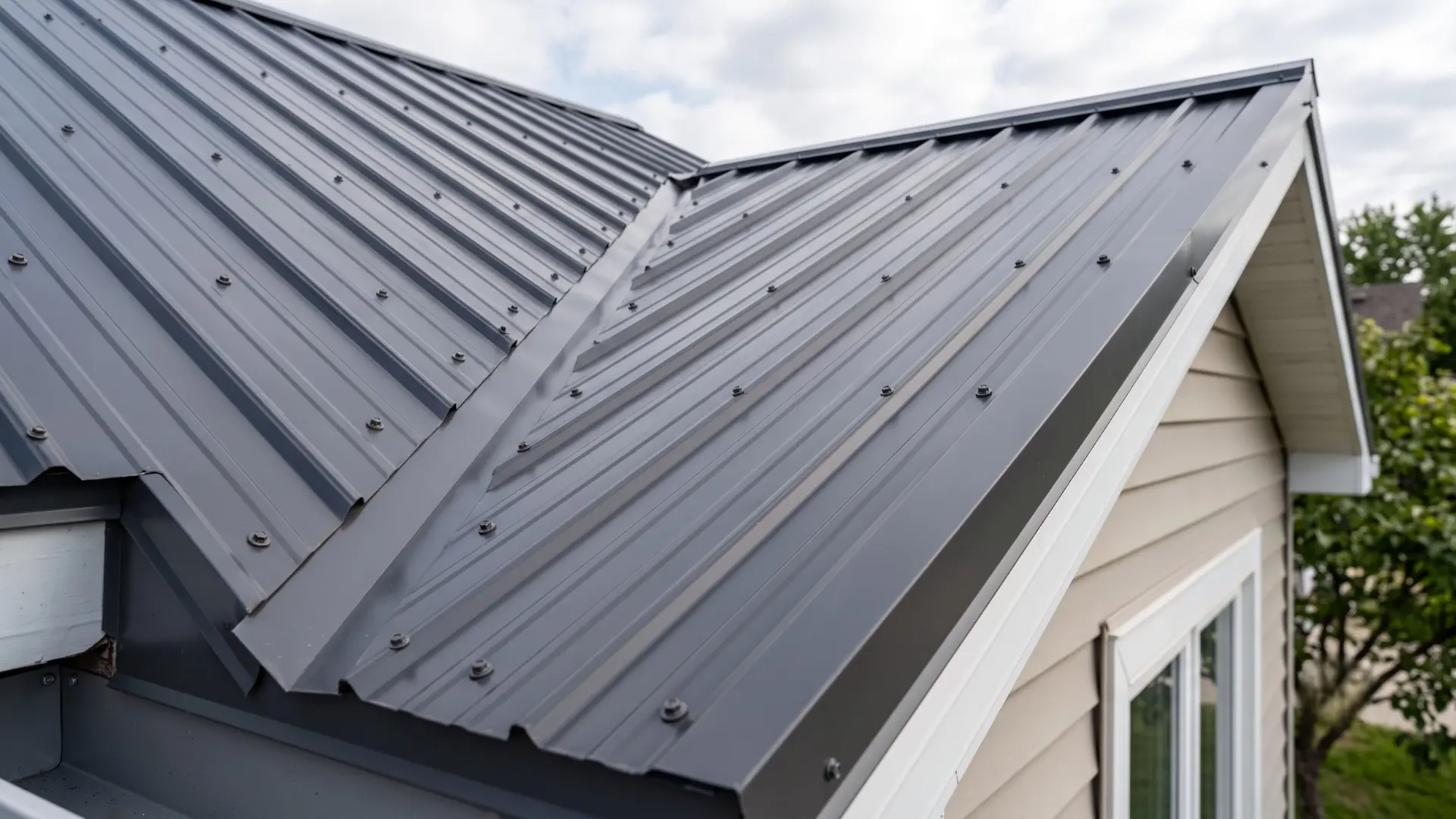
- Exposed fastener panels: screws driven through the face of the panel. Cheaper and faster, common on shops, barns, and budget builds.
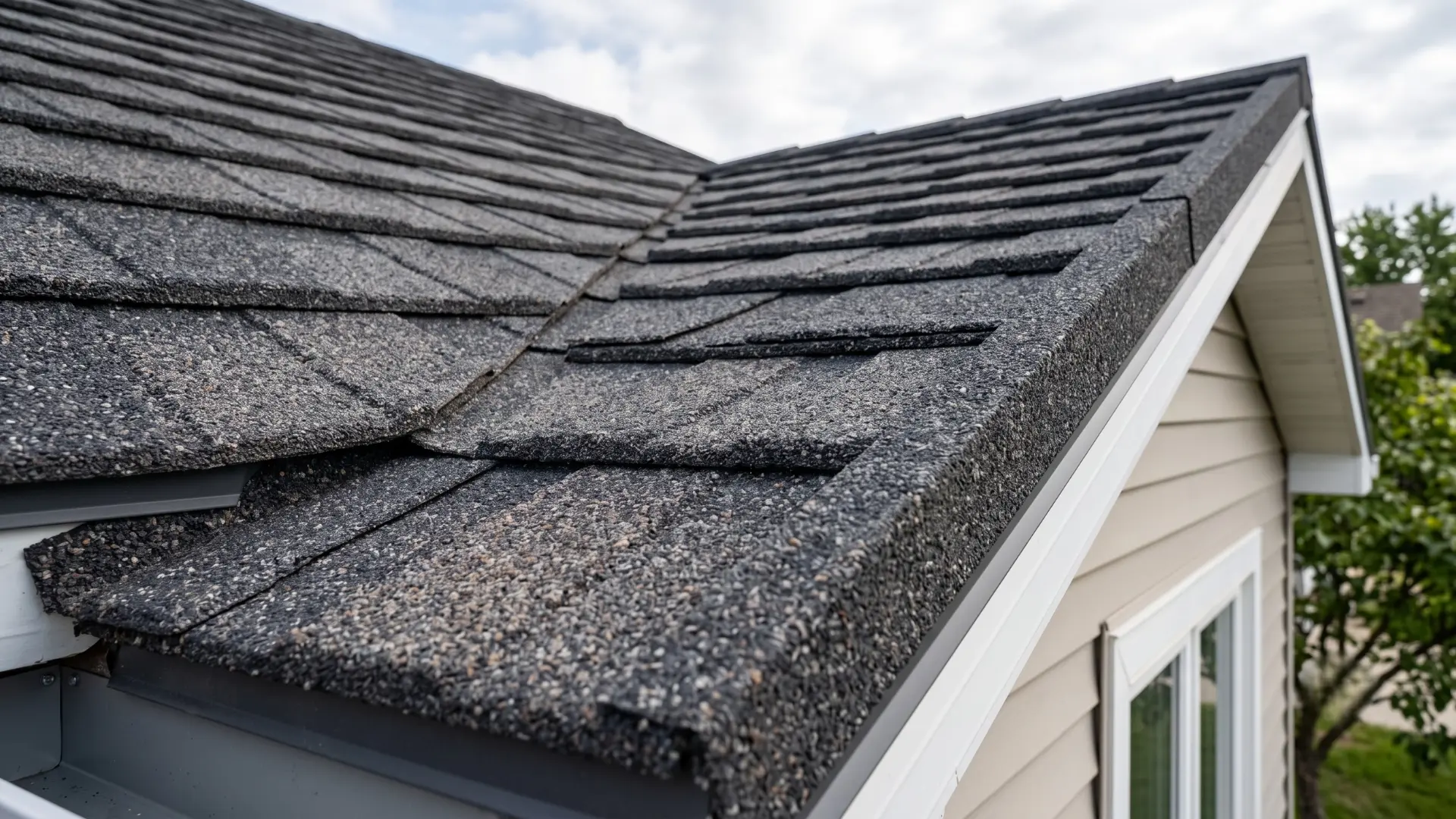
- Metal shingles and stone-coated steel: stamped to mimic slate, shake, or tile. A good fit where an HOA controls appearance.
- Material choices: steel is the workhorse. Aluminum resists salt air. Zinc and copper are specialty products with specialty prices.
Gauge matters too. A 24-gauge panel is noticeably stiffer than a 29-gauge panel, and the upcharge is smaller than most owners expect.
2. The Case for Metal
Alright, let's talk about why metal keeps taking market share from asphalt.
- Lifespan: 40 to 70 years for a properly installed standing seam system. Asphalt gives you 15 to 25.
- Wind: many assemblies carry ratings in the 110 to 140 mph range when installed to the manufacturer's spec.
- Fire: most metal systems achieve a Class A rating, which matters in wildfire-prone areas.
- Weight: steel weighs roughly a third of what asphalt weighs, so a roof replacement rarely adds structural load.
- Energy: reflective coatings can trim summer cooling costs, especially on low-slope and sun-exposed roofs.
- Insurance: some carriers discount premiums for impact-rated metal. Worth a phone call before you sign anything.
The real advantage is fewer touches over time. One metal roof usually outlives two or three asphalt roofs, and every tear-off you skip is money and hassle you never spend.
3. The Downsides Nobody Puts in the Brochure
Of course, none of this comes free.
- Upfront cost runs two to three times an asphalt roof replacement.
- Denting is real. Softball-sized hail will mark aluminum and thin steel. Textured and stone-coated products hide it better.
- Oil canning, the slight waviness you see across flat panel areas, is a cosmetic trait of light-gauge metal, not a defect. It bothers some owners and not others.
- Future modifications get harder. Adding a skylight or a vent later means cutting and reflashing panels.
- Color match fades. A repair panel installed in year 20 may not match the original run.
None of these are dealbreakers. They are just the tradeoffs you should hear before the contract, not after.
4. Real Cost Ranges
Prices swing by region, roof complexity, and panel choice, so treat these as planning numbers rather than quotes.
- Exposed fastener steel: roughly $6 to $11 per square foot installed
- Metal shingles or stone-coated steel: roughly $9 to $16 per square foot installed
- Standing seam steel or aluminum: roughly $12 to $20 per square foot installed
- Copper or zinc: $25 and up, sometimes well up
For a typical 2,000 square foot roof surface, that puts most residential metal projects somewhere between $18,000 and $40,000. Asphalt on the same house usually lands between $9,000 and $18,000. Steep pitch, multiple valleys, dormers, and second-story access all push the number higher.
5. How Long the Job Takes
A straightforward asphalt roof replacement wraps in one to three days. Metal takes longer.
- Simple gable roof, exposed fastener: 2 to 4 days
- Standing seam on a moderate roof: 4 to 8 days
- Complex roof with dormers, valleys, and custom flashing: 1 to 3 weeks
Add lead time for material. Custom colors and long panel runs are often ordered to size, and a four to eight week wait on a specialty finish is common. Order early, especially heading into fall.
6. Permits, Codes, and the Surprises That Slow Jobs Down
Most jurisdictions require a permit for a full roof replacement, and inspectors do show up. A few items catch owners off guard:
- Layer limits. Many codes cap a roof at two layers total. Metal over one layer of asphalt is sometimes allowed, sometimes not. Local rules win.
- Ice barrier requirements. Cold climates typically require ice and water shield along eaves, often two to six feet up from the wall line.
- Ventilation. If intake and exhaust are undersized, an inspector can flag the job even when the panels are perfect.
- HOA and historic district review. Approval can add two to six weeks. Start that paperwork before you sign a contract.
Ask any roofing company you interview who pulls the permit and who schedules the inspection. The answer should be them, in writing.
7. Metal or Asphalt: How to Decide
Choose metal if you plan to stay 15 years or longer, live in a high-wind, heavy-snow, or wildfire area, or want to stop thinking about your roof for good.
Choose asphalt if you are selling within five years, working with a tight budget, or dealing with a cut-up roof where the labor premium on metal gets steep fast.
8. Three Myths Worth Clearing Up
"Metal roofs are loud." Over solid decking and underlayment, with attic insulation below, a metal roof is close to any other roof in a rainstorm. The noise reputation comes from bare panels over open framing.
"Metal attracts lightning." It does not. Metal is not more likely to be struck, and because it is noncombustible, it is arguably safer if it is.
"Metal roofs rust." Modern panels carry metallic and paint coatings with warranties in the 30 to 40 year range. Cut edges and coastal exposure need attention, but rust is not a given.
9. How to Plan the Project
Practical steps, in order:
- Get three written quotes with panel type, gauge, coating, underlayment, and fastener spec listed line by line.
- Ask for the manufacturer warranty and the workmanship warranty separately. They are not the same thing.
- Confirm the roofing company is licensed and insured in your jurisdiction, and ask for the certificate directly from the carrier.
- Check whether your deck needs replacement. Rotten sheathing found mid-project is the most common change order on any roof replacement.
- Handle HOA or historic approval before ordering material.
- Ask about scheduling windows and what happens if weather pushes the job.
Get the flashing details in writing too. Panels rarely fail. Flashing at chimneys, valleys, and wall transitions is where leaks start (who would've thought the cheap part causes the expensive problem?).
The Bottom Line
Metal is the better long-term roof for most owners who plan to stay put. It costs more today, installs slower, and demands a crew that knows the system. In exchange you get four to seven decades of service, strong wind and fire performance, and one less thing to budget for every 20 years.
Your next step is simple: measure your timeline in years of ownership, then collect three detailed quotes and compare the specs, not just the totals.