.webp)
ACV vs. RCV Roof Coverage: What Homeowners Need to Know Before the Next Storm

Aaron Venegaz is the President and founder of Global Exterior Experts and has been in the construction / roofing industry for over 15+ years. He started the company back in 2010 and done everything from scheduling appointments to putting down roofs. He's also done everything from commercial roofing to residential roofing and has also worked with almost every single roofing material multiple times over the past 15 years.
Yes, thicker shingles generally last longer than standard three-tab shingles. Architectural shingles, which are thicker and heavier, typically last 25 to 30 years compared to 15 to 20 years for basic three-tab options. The extra layers and weight provide better resistance to wind, hail, and Illinois' freeze-thaw cycles. That said, thickness alone doesn't guarantee longevity. Installation quality, ventilation, and maintenance matter just as much.
What Makes a Shingle "Thicker"?
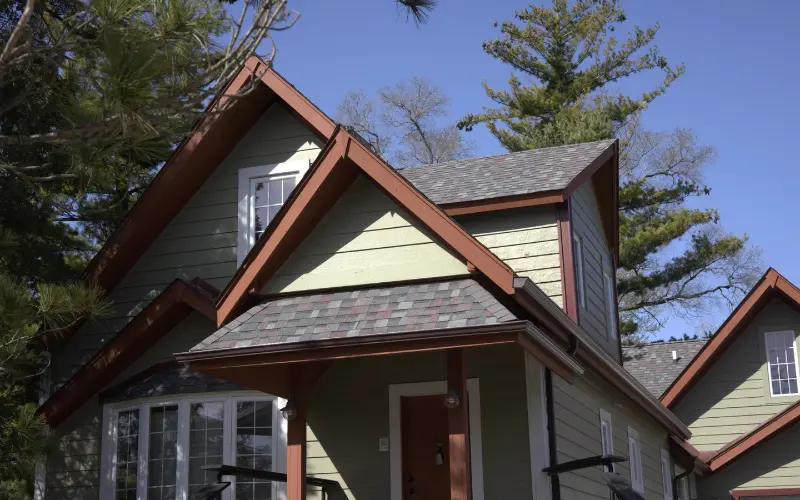
Here's the thing: when people talk about thick shingles when they're getting a roof replacement, they're usually referring to architectural or dimensional shingles. These aren't just one flat layer like the old three tab style. They're built with multiple layers of asphalt and fiberglass mat laminated together creating depth and texture that mimics the look of wood or slate.
Standard three tab shingles weigh around 200 to 250 pounds per square while architectural shingles? You're looking at 300 to 400 pounds per square. That extra weight comes from more asphalt coating and reinforcement. More material = Better durability, especially when you're dealing with Midwest weather that swings from 90 degree summers to subzero winters.
Premium options like impact-resistant or luxury shingles push even heavier, sometimes hitting 450 pounds per square but those are designed for areas with severe hail risk (which definitely includes a large parts of Illinois).
How Thickness Affects Durability
Thicker shingles handle physical stress better and in Illinois, that matters. You're dealing with:
- Heavy Winds: Architectural shingles are rated for winds up to 110 to 130 mph. Three tab shingles max out around 60 to 70 mph.
- Hail Storms: Thicker shingles absorb hail strikes without cracking or losing granules as quickly. A Class 4 impact rated shingle can take a hit from a two inch steel ball dropped from 20 feet.
- Extreme Weather Swings: Illinois sees temperature swings that cause roofing materials to expand and contract. Thicker shingles with more asphalt mass handle that stress without brittleness or cracking.
The granule layer on thicker shingles also tends to be denser, which protects the asphalt underneath from UV degradation. Over 20 years that can translate to less granule loss and better waterproofing.
Read more about the best shingles for extreme weather
Lifespan Comparison by Shingle Type
Let's break down what you can realistically expect in Illinois:
- Three tab shingles: 15 to 20 years. Budget-friendly upfront but you'll replace them sooner.
- Architectural shingles: 25 to 30 years. The most common choice for residential roofs right now.
- Premium/luxury shingles: 30 to 50 years. Some manufacturers offer "lifetime" warranties though those come with fine print about coverage limits.
- Impact resistant shingles: Similar lifespan to architectural (25 to 30 years) but they're engineered to survive hail without insurance claims.
Climate and how you maintain the roof play a big part in it's lifespan too. A roof in southern Illinois might last longer than one in Chicago suburbs dealing with lake effect snow and ice dams. Proper attic ventilation can add five to ten years to any shingle type by simply preventing heat and moisture buildup.
Installation Considerations for Thicker Shingles
Thicker shingles require a bit more planning because the added weight may mean your roof deck needs to be reinforced to handle the weight. Most residential structures built in the last 30 years have no problem with architectural shingles but older homes (especially those with 2x4 rafters on wide spacing) might need deck reinforcement.
Ventilation becomes even more critical with thicker shingles. The extra asphalt mass retains more heat so you'll need adequate intake vents at the soffits and exhaust vents at the ridge. Without proper airflow you're looking at premature aging, curling, and voided warranties.
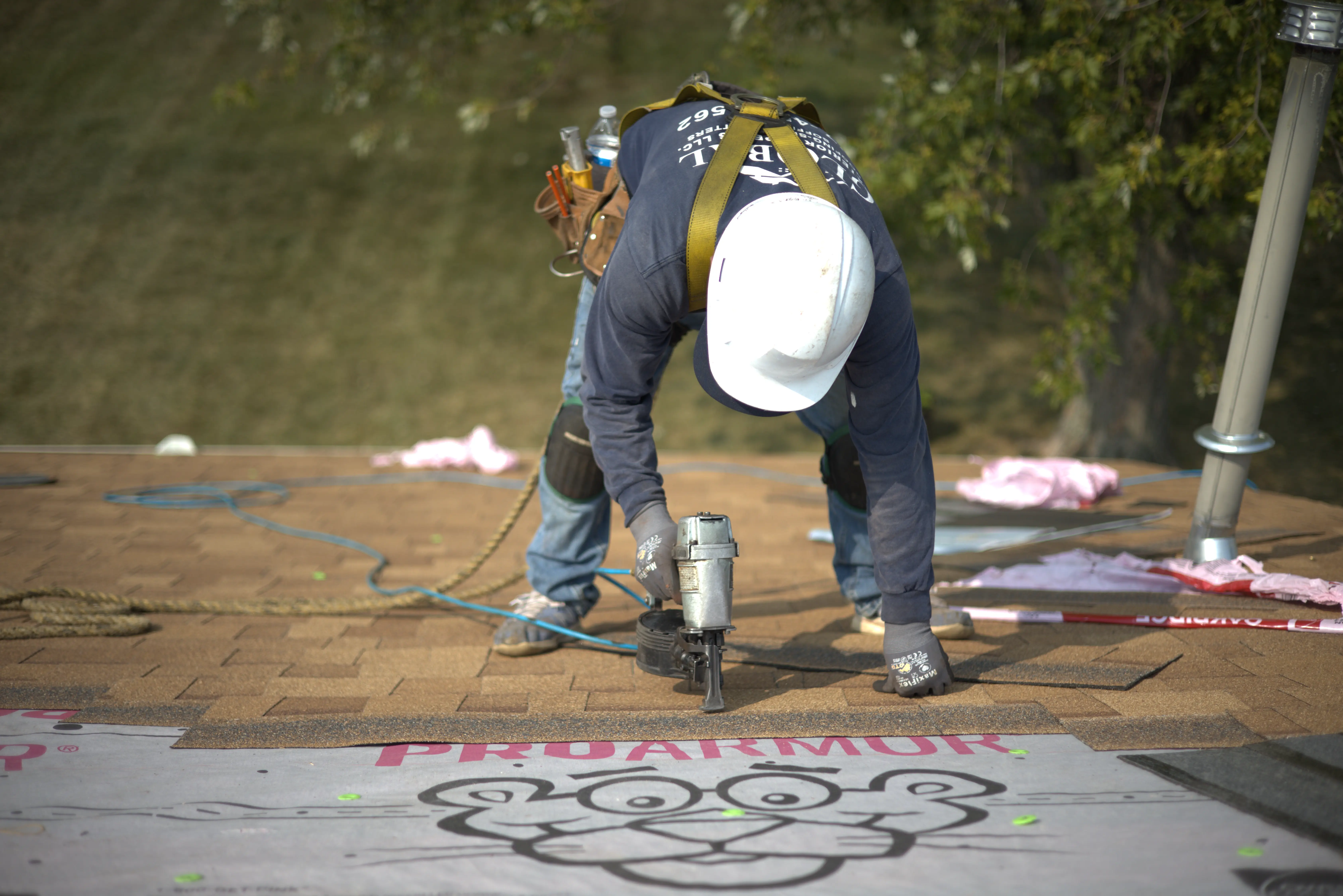
Installation time increases slightly too. Thicker shingles are heavier to carry and position. A crew that could finish a three tab roof in one day might need a day and a half for architectural shingles.

Warranty Coverage: What's Actually Protected
Manufacturers love to advertise "50-year" or "lifetime" warranties on thicker shingles but make sure you read the fine print. Most warranties are prorated after the first 10 to 15 years meaning you're only covered for a percentage of the replacement cost as the shingles age.
Wind warranties matter more than the base warranty so look for coverage that matches Illinois wind speeds (110 mph minimum). Some products require special installation methods like six nails per shingle instead of four to activate full wind coverage.
Algae resistance is another feature that comes with thicker shingles. Illinois humidity (especially near rivers and lakes) promotes algae growth, which shows up as black streaks. Shingles with copper or zinc granules resist this better and many come with 10 year stain warranties.
Maintenance and Longevity Factors
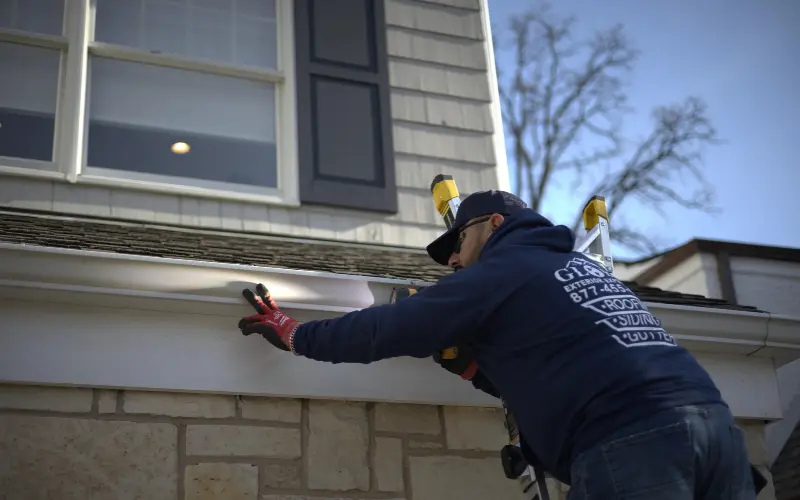
Thickness helps, but it's not magic. Even premium shingles fail early without proper roof maintenance. Clean your gutters at least twice a year. Clogged gutters cause water to back up under shingles leading to leaks and rot.
Trim tree branches within six feet of your roof because overhanging branches drop leaves that create moisture and scrape shingles during windstorms. Moss and algae thrive in shaded areas so sunlight exposure matters.
Inspect your roof annually, especially after severe weather. Look for lifted edges, missing granules, or cracked shingles. Catching damage early costs far less than replacing waterlogged plywood.
Climate-Specific Performance in Illinois
Illinois sits in a tough zone for roofing. You've got humid summers that promote algae, winters with ice dams along the eaves, and spring storms bringing hail and high winds. Thicker shingles handle this better than thin ones but installation details make the difference.
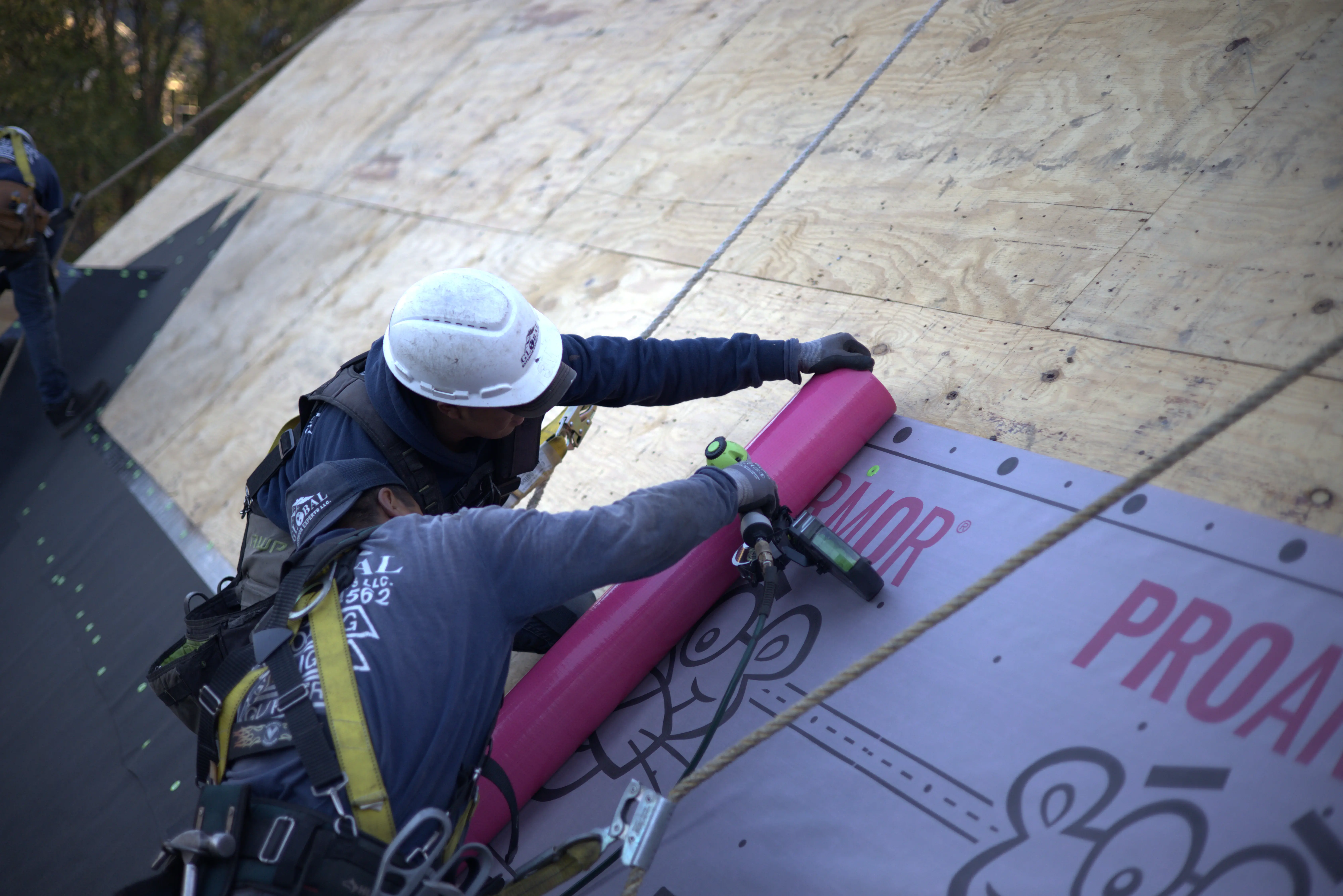
Ice and water shield (a self-adhering membrane) should run at least two feet past the exterior wall line on all eaves and valleys. Code requires this in Illinois but some installers cut corners. Proper underlayment prevents ice dam leaks even when shingles fail.
Attic insulation and ventilation prevent ice dams in the first place because heat escaping through your roof melts snow unevenly causing that ice buildup at the eaves. Thicker shingles won't fix poor attic insulation.
When Thicker Isn't Necessarily Better
There are scenarios where spending extra on premium shingles doesn't make sense because if you're planning to sell within five year; then three tab shingles might be adequate. Buyers care more about "new roof" than "premium shingles."
Extremely steep roofs (over 8/12 pitch) rarely see foot traffic or debris accumulation so shingle thickness matters less. Wind uplift is your main concern which just depends more on installation quality than weight.
Flat or low-slope roofs (under 3/12 pitch) shouldn't use any asphalt shingles thick or thin. Those require TPO, EPDM, or modified bitumen membranes designed for minimal drainage.
What to Consider Before Choosing
Start by checking your current roof structure. If you're replacing an existing roof just match or upgrade the shingle type. Going from architectural down to three tab rarely makes financial sense unless budget is absolutely tight.
Get at least three quotes from licensed contractors. Ask about ventilation upgrades, deck repairs, and warranty activation requirements. A low bid that skips ice and water shield or uses minimum fasteners will cost you later.
Factor in your timeline. Planning to stay in the house 15+ years? Architectural or premium shingles pay off. Selling soon or renting the property? Standard architectural shingles hit the sweet spot of durability and cost.
Check with your insurance agent about impact resistant shingle discounts. Some Illinois counties qualify for higher discounts due to hail frequency but that can shift the cost benefit calculation significantly.
Summary: Making the Right Call
Thicker shingles do last longer assuming proper installation and maintenance. For most Illinois homeowners, architectural shingles offer the best balance of cost, durability, and weather resistance. They'll handle wind, hail, and temperature swings better than three-tab options, and you'll get 25 to 30 years of protection instead of 15 to 20.
Premium shingles make sense if you're in a high hail area, want specific aesthetics, or plan to stay in your home long term. Three tab shingles work for tight budgets or short term ownership but expect to replace them sooner.
Whatever you choose just focus on installation quality and ventilation. The best shingles fail early with poor workmanship so make sure your contractor pulls permits, follows manufacturer specs, and offers solid workmanship warranties. That matters more than an extra quarter-inch of asphalt.