.webp)
ACV vs. RCV Roof Coverage: What Homeowners Need to Know Before the Next Storm

Aaron Venegaz is the President and founder of Global Exterior Experts and has been in the construction / roofing industry for over 15+ years. He started the company back in 2010 and done everything from scheduling appointments to putting down roofs. He's also done everything from commercial roofing to residential roofing and has also worked with almost every single roofing material multiple times over the past 15 years.
Metal roofs work best with solar panels because they last 40 to 70 years and require no drilling for installation. Asphalt shingles rank second for affordability and compatibility, while tile roofs offer durability but increase installation costs. Before installing solar, your roofing company should assess whether your roof can support panels for 25 to 30 years without needing a roof replacement.
Why Your Roof Type Matters for Solar Installation
Here's the thing: not every roof handles solar panels the same way. The material determines how installers mount the system, how long everything lasts together, and whether you'll face expensive problems down the road. Solar panels can typically last for 25 to 30 years. If your roof fails before that then you're looking at removal costs between $1,500 and $6,000 just to access the shingles underneath. Then you pay to reinstall everything once the new roof goes on.
Alright, let's talk about what actually makes a roof solar ready. You need adequate load bearing capacity since panels add 3 to 4 pounds per square foot, proper mounting compatibility, and enough remaining lifespan to match your solar investment. A quality roofing company evaluates all three factors before giving you the green light.
1. Metal Roofs: The Gold Standard
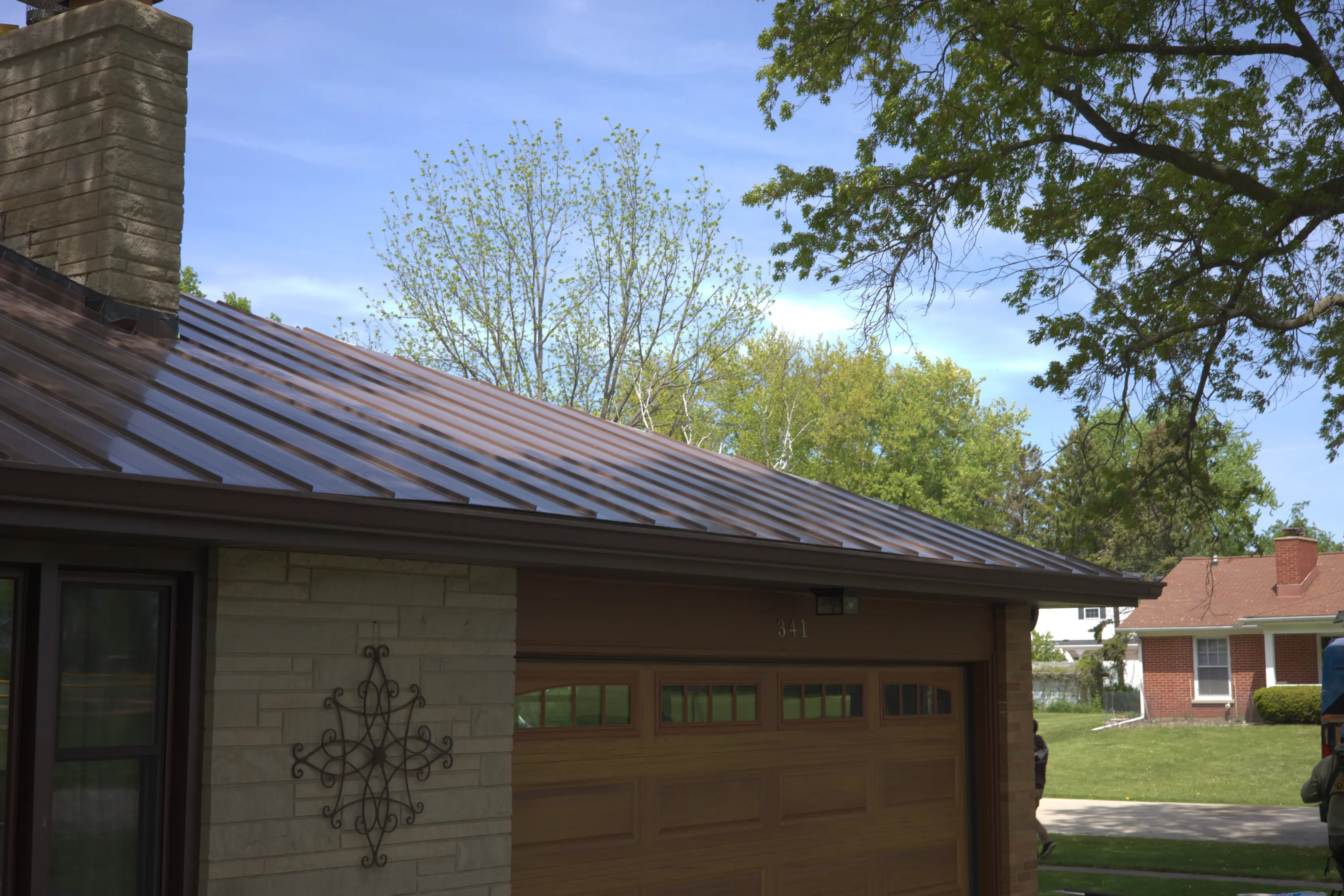
Metal roofs top every list for solar compatibility, and it's not even close. Standing seam metal roofs use specialized clamps that attach to the raised seams without drilling a single hole. No penetrations means no leak risks, no flashing concerns, and a cleaner installation process from start to finish.
The numbers back this up too. Metal roofs can last 40 to 70 years depending on the gauge and coating plus your solar panels will probably need replacing before your roof does. Plus, metal reflects heat instead of absorbing it, which keeps your attic cooler and helps panels maintain better efficiency.
Cost runs higher upfront but you're paying once and forgetting about it. No mid cycle roof replacement means no reinstallation costs eating into your solar savings.
2. Asphalt Shingles: The Most Common Choice
Asphalt shingles cover roughly 80% of American homes and this popularity makes them the default option for most solar installations. Installers drill through the shingles into your roof deck, then seal each penetration with flashing and weatherproof sealant. The process takes less time than other materials and doesn't require any specialized equipment.
You'll see two types of asphalt: three tab (flat, uniform appearance) and architectural (textured, dimensional). Architectural shingles cost more per square foot but last 5 to 10 years longer. For solar, that extended lifespan matters. If your shingles are already 10 to 12 years old, consider a roof replacement before adding panels. Otherwise you're setting yourself up for that expensive removal process halfway through your solar system's life.
Installation runs smooth on asphalt. A typical residential system takes one to three days on an asphalt roof. Repair costs stay low if you ever need to replace damaged shingles around mounting hardware which is a plus for shingles.
3. Tile Roofs: Durable But Demanding
Clay and concrete tiles deliver exceptional longevity (50 years or more) and they look sharp but installation gets complicated fast. Installers often remove individual tiles to access the decking below, install mounting hardware, then replace the tiles carefully. One wrong move cracks a tile, and replacement tiles aren't cheap or easy to match especially on older roofs with discontinued styles.
Weight becomes another consideration. Tiles add significant load to your roof structure and adding solar panels on top might exceed your building code's load requirements. Some homes often need reinforcement work before solar can proceed let alone tiles.
Installation costs run 25% to 40% higher on tile compared to asphalt shingles so just count on paying an extra $1,000 to $3,000 for a standard residential system. The work takes longer too, typically three to five days instead of one to three. If you've got tile and want solar, find a roofing company with proven tile experience. Amateur work leads to cracked tiles and potential water intrusion.
4. Flat Roofs: Different Approach, Same Goal
Commercial buildings and modern residential designs often feature flat or low slope roofs. These installations use ballasted mounting systems instead of drilling through the waterproof membrane. Concrete blocks or weighted trays hold the solar racks in place, distributing weight across the entire roof surface.
The advantage here is panel positioning. Your installer can angle panels toward true south or wherever the sun will rise from regardless of your building's orientation. This flexibility increases energy production by 10% to 25% compared to fixed angles on sloped roofs.
TPO and EPDM membranes work great for solar. TPO's white surface reflects heat and keeps panels cooler. EPDM on the other hand costs less upfront and handles ballasted systems without issues. Both materials last 20 to 30 years with minimal maintenance. Just make sure your roof structure can support the additional weight solar requires.
5. Materials to Avoid or Replace First
Some roofing materials create more problems than they solve. Wood shake roofs present fire risks that make insurance companies nervous. Many recently have been refusing coverage of homes with wood shake once solar equipment gets added. Finding an installer willing to work on wood shake is tough. Most roofing companies just recommend a full replacement with another material before moving forward.
Slate looks incredible and lasts forever but it's brittle as glass. Installers charge premium rates because one wrong step cracks tiles worth hundreds of dollars each. Not to mention matching slate color and texture takes months. If you've got slate and absolutely want solar, budget accordingly and brace for a longer timeline.
Old gravel roofs work okay with ballasted systems but the unstable surface complicates mounting. Gravel shifts creating uneven pressure points, and can damage roof membranes underneath. Rubber roofs (older EPDM) puncture easily during installation. Newer membranes can handle solar fine but anything over 15 years old deserves scrutiny from a roofing company before you commit.
Matching Roof Age to Solar Investment
Timing matters as much as material type. If your roof has less than 10 years of useful life remaining, replace it first. The math is simple: on one hand the removal and reinstallation costs thousands if you're just going to replace the roof after you've installed solar. While on the other hand a new roof plus solar installation at the same time just costs less total than solar now with a bad roof.
Asphalt shingle roofs older than 12 to 15 years fall into this category. Check for curling edges, missing granules, cracked or brittle shingles, and any signs of water damage in your attic. These red flags mean replacement should happen before solar, not after.
Metal and tile roofs rarely need replacement before solar unless you've got obvious damage. A roofing company can assess the remaining lifespan and tell you whether installation makes sense now or if repairs come first.
Load Capacity and Structural Requirements
Your roof needs to handle the combined weight of panels which can be anywhere from 2.5 to 3.5 pounds per square foot, the racking systems 0.5 to 1 pound per square foot, and the local snow loads. Most modern homes meet these requirements without modification while the older homes (pre-1970s), or homes with previous structural damage, or buildings in heavy snow zones; they might need reinforcement before you even consider solar.
A structural engineer reviews your roof framing, calculates total load including solar equipment, and compares that to local building codes. If reinforcement is needed, expect to pay anywhere from $1,500 to $5,000 depending on what's required. This work happens before solar installation begins and typically takes one to two weeks.
Flat roofs need extra attention because ballasted systems add more weight than penetrating mounts. Your engineer calculates distributed loads across the entire roof surface to confirm everything stays within safe limits.
Installation Timeline and Permitting
Standard residential solar installations take one to three days on compatible roofs (asphalt, metal, newer flat membranes). Tile adds one to two days. Complicated layouts, multiple roof planes, or structural work extends timelines further.
Permitting takes two to six weeks depending on your local jurisdiction. Your roofing company or solar installer handles this process. They submit plans showing roof type, mounting method, load calculations, and electrical specs. Some areas require separate inspections before and after installation.
The whole process from contract signing to system activation typically runs 60 to 90 days. Roof replacement beforehand adds three to four weeks. Plan accordingly if you're targeting specific dates (like before utility rates increase or tax credit deadlines).
Next Steps: Getting Your Roof Evaluated
Contact a qualified roofing company that does solar for a professional inspection before signing any solar contracts. They'll check material type, remaining lifespan, structural integrity, and whether repairs are needed. This inspection costs $150 to $400 but prevents expensive surprises later.
Get multiple quotes if a roof replacement is on the table. Prices vary significantly between contractors. Ask about solar ready options like architectural shingles or standing seam metal. Some roofing companies partner with solar installers to coordinate both projects and potentially reduce total costs.
Check your roof's orientation and shading patterns throughout the day. South-facing sections with minimal shade deliver the best solar production. Your roofing company can identify optimal placement areas during their inspection.
Budget for the complete project, not just panel costs. Roof replacement, structural reinforcement, and premium mounting systems all affect your final investment. A thorough upfront assessment prevents budget overruns and ensures your solar system performs as expected for decades.