.webp)
ACV vs. RCV Roof Coverage: What Homeowners Need to Know Before the Next Storm

Aaron Venegaz is the President and founder of Global Exterior Experts and has been in the construction / roofing industry for over 15+ years. He started the company back in 2010 and done everything from scheduling appointments to putting down roofs. He's also done everything from commercial roofing to residential roofing and has also worked with almost every single roofing material multiple times over the past 15 years.
The short answer: Preparing for a roof replacement means clearing the area around your home, protecting your belongings inside from vibration and debris, moving vehicles and outdoor furniture, trimming nearby vegetation, and planning for noise disruption. Most projects take 1-2 days but the prep work we do and you could do starts before the first shingle comes off.
Here's what you need to know to make the process smooth.
Clear a 15-Foot Perimeter Around Your Home
The crew that will be replacing your roof needs space to work safely. That means clearing a path all the way around your house of at least 15 feet out from the foundation. Removing anything that could get damaged by falling debris or could block access to the roof. Things like grills, patio furniture, potted plants, lawn decorations, garden hoses.
Tarps will catch most of the old roofing material, but shingles like nails, shingle granules, and wood scraps have a way of ending up everywhere. The clearer the zone, the faster the cleanup and the less chance something gets broken.
If you've got flower beds right against the house then those are at risk too. You can cover them with plywood sheets, or just accept that some replanting might be necessary.
Protect the Inside of Your Home
Roof work creates serious vibration. When crew member starts tearing off old shingles and nailing down the new ones. The hammering and foot traffic shake the entire structure. That means items hanging on walls, sitting on shelves, or displayed on mantels can shift or fall.
Just make sure you walk through your home and secure or remove:
- Wall mounted mirrors and picture frames
- Items on high shelves
- Decorative objects on dressers or mantels
Your attic will see the most action. If you store anything up there, cover it with tarps or move it temporarily. Dust and small debris can work through roof decking gaps during teardown especially in older homes with decking that has had many replacements.
Move Vehicles Out of the Driveway
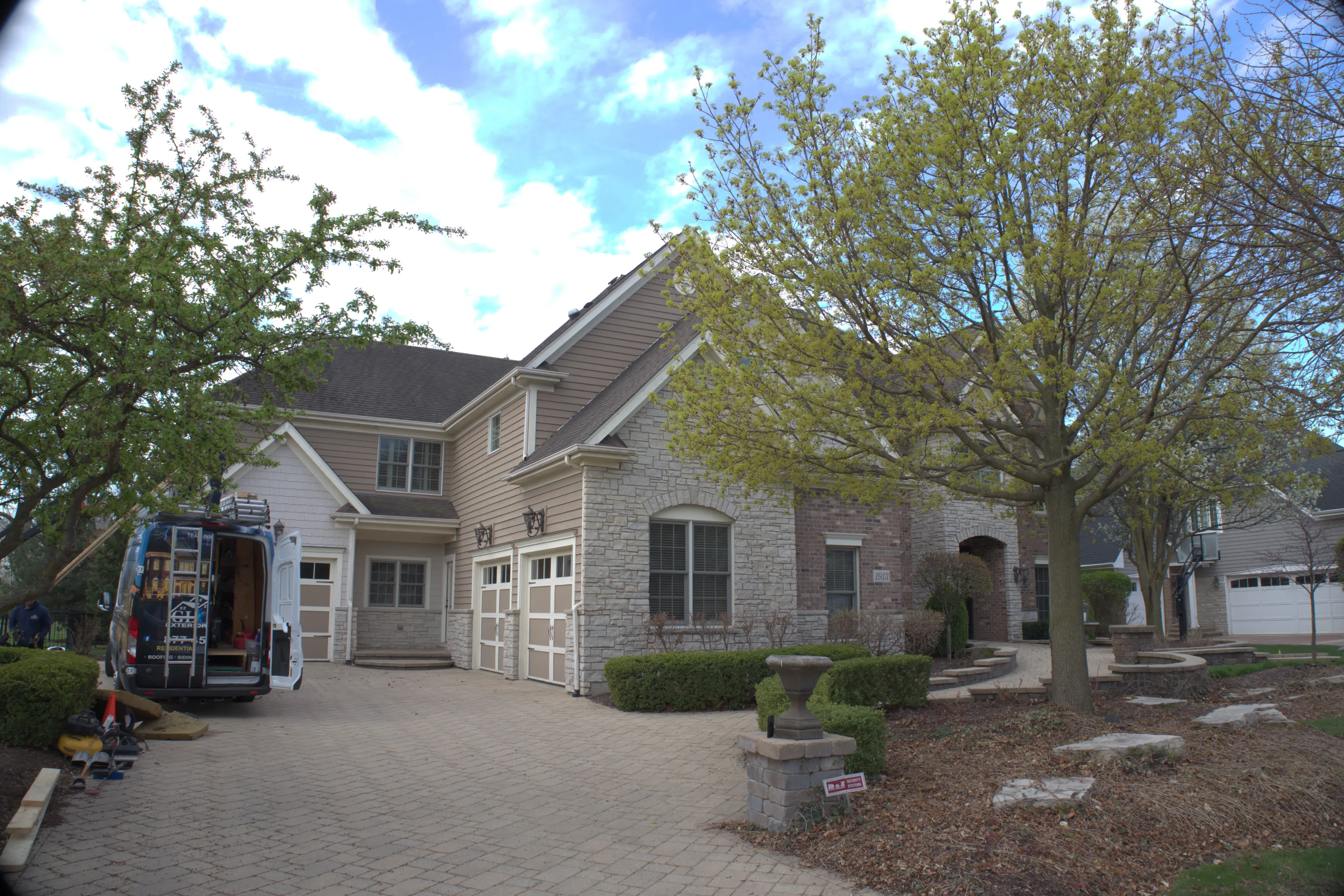
Roofing trucks, dumpsters, and material deliveries need access. Your driveway will likely be blocked for the duration of the project, sometimes for an extra day on either end for setup and final cleanup.
Park your vehicles on the street or ask a neighbor if you can use their driveway temporarily. Some roofing companies can work around one car, but don't count on it. The crew will need space for:
- A debris dumpster (often 20-30 feet long)
- Material delivery trucks
- Crew vehicles and equipment trailers
Blocked access slows the job down, and delays cost everyone time.
Trim Trees and Remove Overhanging Branches
Branches that hang over or touch your roof create two problems during a roof replacement. First, they block access for workers and second, they can scratch or damage new roofing materials during installation which out of the gate take years or months off a material's lifespan.
Trim back any limbs within 6-10 feet of the roofline before the crew arrives. This isn't just about convenience. Overhanging vegetation also contributes to moss growth, trapped moisture, and premature shingle deterioration after your new roof goes on.
If you've got large trees requiring professional trimming, make sure you handle that a week or two in advance. Tree services and roofing companies don't usually coordinate schedules well, and you don't want to delay your roof replacement waiting for a tree trimmer to come by.
Make Arrangements for Kids and Pets
Roof work is pretty loud. You can image the constant hammering, power tools, boots on the roof, and workers calling to each other from early morning until late afternoon aren't going to put a baby to sleep. Most projects start between the sun rising and run until the sun sets.
If you've got young kids who nap, elderly family members who need quiet, or pets that panic at loud sounds, plan accordingly. Consider:
- Staying with family or friends during the work
- Using a pet daycare service
- Setting up a quiet room away from the roof work
- Using white noise machines or fans to dampen the sound
Dogs especially can get anxious with strangers walking around the property. Keep them inside and secured so they don't bolt out an open door or bark at the crew all day.
Give Your Neighbors a Heads Up
Here's the thing: your roof replacement affects more than just your household. Roofing crews start early, trucks block streets, and debris occasionally lands in neighboring yards despite best efforts, we make sure to clean that up too.
Let your neighbors know the project schedule a few days in advance. Most people appreciate the courtesy and won't mind the temporary disruption if they know it's coming. If you share a driveway or have particularly close houses, this conversation becomes even more important.
Some roofing companies send notification letters to surrounding homes. If yours doesn't, a quick knock on the door or text message goes a long way toward keeping relationships friendly.
Prepare for Noise, Dust, and Disruption
Even with all of the prep work, a roof replacement is messy and disruptive. Understanding what's normal helps you stay patient through the process.
Expect vibrations throughout the house every time a nail goes in and expect dust to settle on surfaces near vents and in the attic. Expect periods where you can't use certain rooms if workers need attic access through interior hatches.
You may also lose satellite TV signal temporarily if the dish is roof mounted, and internet service might go down briefly if cables need to be moved. Most roofing companies can work around these but disconnections happen.
Alright, let's talk about the practical timeline. A typical residential roof replacement takes 1-2 days depending on size, pitch, and complexity. Add time for weather delays, permit issues, or material delivery problems. The actual roof replacement might be quick, but the total project window can stretch longer than expected especially if weather is a factor.
Confirm Permits and HOA Requirements Are Handled
Most municipalities require permits for roof replacements, and many homeowners associations have specific rules about materials, colors, and contractor requirements. These details should be handled before work starts, but it's worth confirming.
Ask your roofing company:
- Has the permit been pulled?
- Are all materials approved by the HOA (if applicable)?
- When will inspections occur?
Permit problems can halt a project mid installation, leaving you with a partially torn off roof and exposed decking. Code inspectors don't care if you're in a hurry. They'll make you wait until paperwork is resolved, and that can mean tarps and weather exposure for days.
HOA violations can result in fines or required replacement with approved materials. Better to catch these issues early than deal with them after your roof replacement is complete.
Plan for Weather Delays and Material Availability
No contractor can control the weather, and roof work stops during any rain, high winds, or extreme heat (which makes shingles too soft to install properly). Your project might get pushed back or paused mid installation.
Ask about the backup plan. Does the roofing company have tarps ready if rain threatens? How quickly can they resume after a delay? What happens if extended weather problems stretch the timeline?
Material delays are another variable. Supply chain issues, manufacturer backorders, or shipping problems can push start dates. Confirm your materials are on site or have a firm delivery date before the crew tears off your old roof.
Of course, none of this comes free. Roof replacement costs typically range from $10,000-$25,000+ depending on size, materials, and complexity, with labor making up 60% or more of the total. That cost includes disposal, materials, and installation, but doesn't usually cover structural repairs that cost extra and are only discovered during tearoff.
What to Consider Before Work Begins
Good preparation makes the difference between a smooth roof replacement and a frustrating experience. Before the crew arrives:
- Document your current roof condition with photos
- Clarify what's included in your contract and what costs extra
- Confirm the cleanup process and who handles final debris removal
- Know the payment schedule (most require deposits and final payment upon completion)
- Get written warranties for both materials and labor
The goal is simple: make it easy for the roofing company to do quality work efficiently, minimize disruption to your household, and protect your property during the process. A little advance planning prevents most common problems.
Start your prep work 3-5 days before the scheduled start date. That gives you time to handle everything without rushing and leaves room for last-minute adjustments if the roofing company shifts the timeline.