.webp)
ACV vs. RCV Roof Coverage: What Homeowners Need to Know Before the Next Storm

Aaron Venegaz is the President and founder of Global Exterior Experts and has been in the construction / roofing industry for over 15+ years. He started the company back in 2010 and done everything from scheduling appointments to putting down roofs. He's also done everything from commercial roofing to residential roofing and has also worked with almost every single roofing material multiple times over the past 15 years.
Here's the thing: asking about the cheapest way to roof your home is smart. But the real question isn't just about the lowest price tag today. It's about what that decision costs you over the next 15, 20, or 30 years.
The cheapest roofing material is 3-tab asphalt shingles, running $3.50 to $5.00 per square foot installed. For a typical 1,700-square-foot roof, you're looking at $6,000 to $8,500 total. That's your baseline answer.
But we need to talk about what "cheap" actually means for your home.
Understanding True Roofing Costs
Most homeowners focus on the sticker price and we can't blame them. When you're staring down a $15,000 quote versus a $7,000 quote, the lower number looks pretty good for your bank account.
Here's what happens next though. That cheap roof starts failing in 8 years instead of 20 and you're patching leaks, replacing damaged sections, dealing with insurance headaches. Suddenly, you've spent $12,000 on that "cheap" roof when you factor in repairs and early replacement.
The right roofing company helps you balance upfront costs with long-term value. Not every project needs premium materials but every home deserves proper installation.
What Makes Asphalt Shingles the Budget Winner
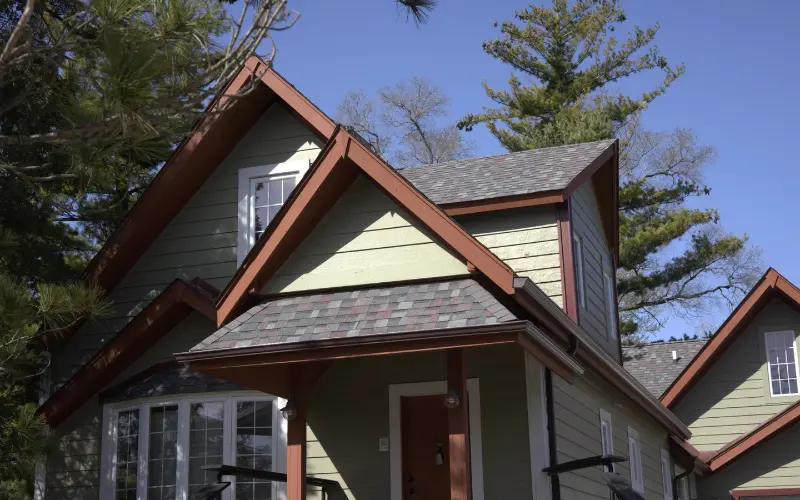
Asphalt shingles dominate residential roofing for good reason. They're lightweight, widely available, and every crew knows how to install them. Competition keeps prices reasonable too.
You've got three types to consider:
- 3-tab shingles: The basic option with a flat profile, 15-20 year lifespan, gets the job done.
- Architectural shingles: Mid-range option with better wind resistance, dimensional look, 25-30 year warranty.
- Premium architectural: Top tier with enhanced durability, 40-50 year lifespan, superior weather protection.
Here's where people mess up. They pick 3 tab shingles to save $2,000 today then watch their neighbor's architectural roof outlast theirs by a decade. The math doesn't work when you're replacing early.
The Hidden Costs That Kill Budget Roofs
Cheap roofing isn't just about materials. It's about what you can't see until problems start.
Low grade underlayment tears during installation, bargain flashing corrodes within five years, insufficient ventilation cooks your shingles from below cutting their life in half. These issues don't show up on day one; they reveal themselves slowly and expensively.
A proper roof replacement includes quality deck protection, proper ice and water barriers in vulnerable areas, and adequate attic ventilation. Skip these, and you're setting yourself up for rot, mold, and structural damage that costs way more than the money you "saved."
Can You Actually DIY Your Roof?
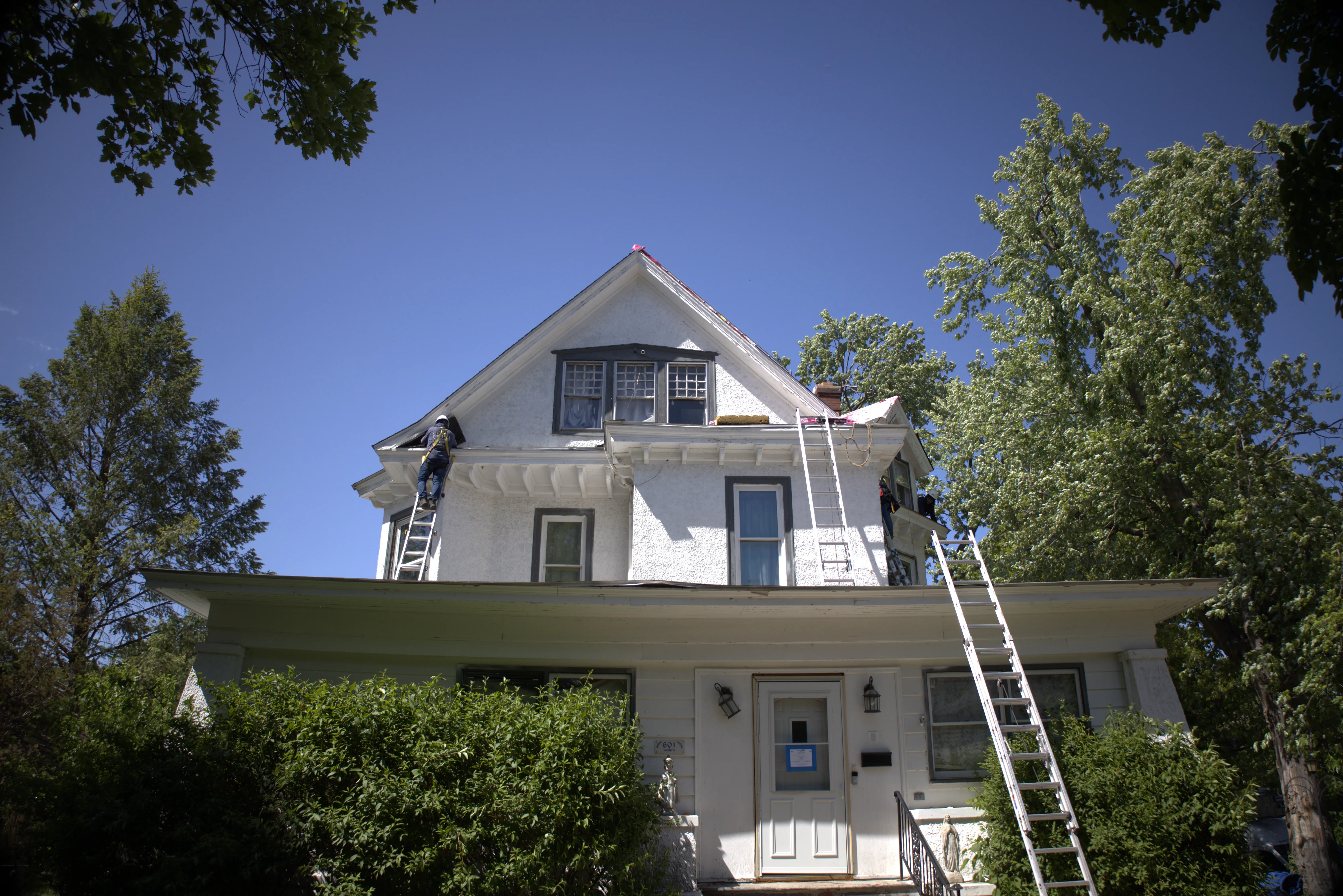
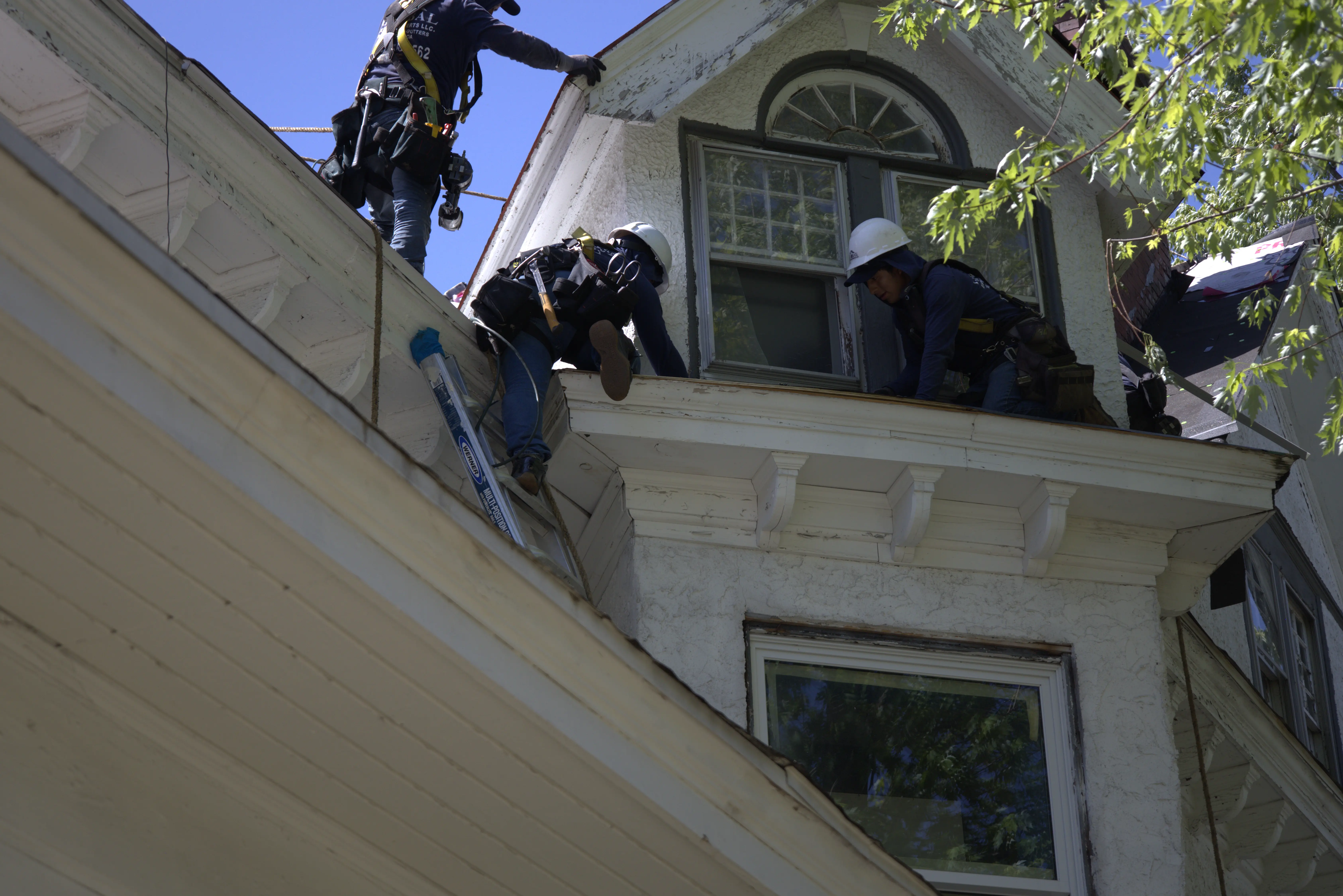
Let's address the elephant in the room. Yes you can install shingles yourself and people do it once in a blue moon. The materials don't really care who nails them down.
But roofing isn't just following YouTube instructions, there's a reason insurance companies charge extra for DIY roofs. Code requirements vary by location. Flashing details matter. Valley construction, ridge vents, proper overlaps, nail placement, starter strips, drip edge installation... the list goes on.
One missed detail creates a leak entry point where water finds its way in, sits in your decking for months before you notice interior damage, and suddenly you're looking at $3,000 in repairs plus a partial roof replacement.
Professional installation on that 1,700 square foot roof that could mean $5,000 to $6,000 which includes proper techniques, code compliance, and usually a workmanship warranty and valid material warranty that protects your investment.
Smart Ways to Reduce Roofing Costs Without Sacrificing Quality
Want to save money intelligently? Here's how we do it.
Schedule during off-season months. Late winter and early spring bring fewer projects. You might negotiate 10-15% off normal rates just by being flexible with timing.
Bundle related work. Need new gutters? Replace them with the roof, some companies offer better rates when they're already mobilized at your property.
Maintain what you have. A roof lasting 25 years instead of 20 because you cleared debris and fixed minor issues early saves you thousands compared to premature replacement.
Get multiple quotes and don't chase the lowest bid. Three quotes from reputable roofing companies show you market rate. The quote that's 30% below the others? That's not a deal that's missing scope, inferior materials, or a crew that won't be around to honor warranties.
When Cheap Materials Make Sense (And When They Don't)
Basic shingles work fine on simple roofs in moderate climates but when talking about extreme climates, the good materials are non-negotiable. A single story ranch with a straightforward roof line, located somewhere without extreme weather; 3 tab shingles handle that job.
But put those same shingles on a complex roof with multiple valleys, or in an area with regular hail, or on a two story home where replacement means higher labor costs; now you're asking for trouble.
Climate matters more than most people realize. Scorching summers cook cheap shingles. Freeze thaw cycles split inferior materials and wind driven rain finds every installation flaw. Your location determines whether budget materials are adequate or a liability.
The Real Cost of Shortcuts
We've seen this pattern dozens of times. Homeowner picks the cheapest option available then within three years, they're calling about a leak. We inspect and find improper installation, inadequate underlayment, or material failure.
Now they need repairs that cost 40% of what they paid originally and sometimes the damage is bad enough they need a complete tear off and reinstall. They've essentially paid for their roof twice.
Compare that to paying $3,000 more upfront for quality materials and professional installation. That extra investment buys you 10 15 additional years of protection. The math isn't complicated.
Material Costs: What to Actually Expect
Here's realistic pricing for a 1,700-square-foot roof with professional installation:
- Budget asphalt (3-tab): $8,000-$10,000 total
- Mid-grade asphalt (architectural): $9,000-$11,000 total
- Premium asphalt: $12,000-$14,000 total
- Basic metal roofing: $16,000-$18,000 total
- Tile or slate: $18,000-$35,000+ total
These ranges include materials, labor, disposal, and standard components. Complex roofs, steep pitches, or extensive repairs add to these figures.
Timeline Expectations
Most residential roofs take 1 to 2 days to complete. Weather delays happen (can't roof in rain). Complex projects might stretch to a week.
The cheapest option doesn't finish any faster, speed comes from crew experience and weather cooperation which if you're looking for the lowest bidder, then that means they're paying their crews the least and most likely have sub-par crews. Factor in a realistic timeline regardless of your budget.
What to Look For in a Roofing Company
Here's what protects your investment better than any material choice: a quality roofing contractor.
Check for proper licensing and insurance. Verify they carry general liability and workers' compensation. Ask about their warranty on labor, not just materials. A reputable company stands behind their work for at least five years.
Look at their track record. How long have they been in business? Do they have local references? Can they show you completed projects? Companies with longevity have reputations to maintain.
Avoid door knockers after storms. Legitimate roofing companies don't need to chase work through neighborhoods. They're booked through referrals and reputation.
Your Next Steps
Get at least three quotes from established local companies. Make sure each bid includes identical scope: tear-off, disposal, new underlayment, proper flashing, ventilation check, and cleanup.
Ask specific questions. What's their material preference and why? How do they handle unexpected deck damage discovered during tear-off? What's included in their workmanship warranty?
Compare apples to apples. The cheapest bid means nothing if it's missing components the others include. Same goes for the highest bid unless they're offering genuine value through better materials or extended warranties.
Think beyond next year. Your roof protects everything inside your home. The foundation, the walls, your possessions, your family. Picking roofing materials solely on initial cost is like buying the cheapest parachute. Some things are worth doing right.
The truly cheap way to roof your home? Invest in quality materials, professional installation, and a company that'll be around when you need them. That approach costs more today but saves you significantly over the decades your roof protects your home.