.webp)
What Happens if My Roof Claim Gets Denied?

Aaron Venegaz is the President and founder of Global Exterior Experts and has been in the construction / roofing industry for over 15+ years. He started the company back in 2010 and done everything from scheduling appointments to putting down roofs. He's also done everything from commercial roofing to residential roofing and has also worked with almost every single roofing material multiple times over the past 15 years.
Emergency roof repair typically costs $300 to $3,000, depending on the severity of the damage, materials, and how quickly the work needs to happen. Minor leaks or small punctures sit on the lower end. Structural damage, widespread leaks, or storm-related issues can push costs much higher, especially if temporary protection and follow-up repairs are required.
What Counts as an Emergency Roof Repair?
Here’s the thing, not every roof issue is an emergency.
Emergency repairs are situations where your home is actively exposed to damage. Water is getting in, materials are missing, or structural integrity is compromised.
Common emergency scenarios include:
• Active leaks during rain
• Storm damage from wind or hail
• Fallen branches or debris impact
• Flashing failure around chimneys or vents
• Sudden sagging or soft spots in the roof
If waiting even 24–48 hours could lead to interior damage, mold, or electrical risk, it qualifies as an emergency.
Average Cost Breakdown by Repair Type
Alright, let’s talk real numbers. Costs vary based on what’s actually wrong, not just that it’s “urgent.”
Minor Emergency Repairs ($300–$800)
• Small leaks
• Replacing a few shingles
• Sealing flashing gaps
• Quick patch jobs
These are typically handled in a single visit and may not require extensive materials.
Moderate Repairs ($800–$1,500)
• Multiple leak points
• Partial shingle replacement
• Minor decking damage
• Vent or flashing replacement
This level usually involves more labor and possibly removing sections of roofing.
Major Emergency Repairs ($1,500–$3,000+)
• Large sections of missing roofing
• Structural wood damage
• Widespread leaks
• Storm or impact damage
At this point, repairs may be temporary fixes until a full solution is scheduled.
What Drives the Cost Up Fast?
Of course, none of this comes free, and emergency pricing climbs quickly under certain conditions.
1. Timing and Urgency
After-hours calls, weekends, or active storms increase labor costs due to the harsh conditions. Emergency crews are dispatched immediately, often interrupting the work they currently have.
2. Roof Accessibility
Steep roofs, multi-story homes, or limited access points add time and safety requirements.
3. Material Type
Asphalt shingles are the most affordable to repair. Metal, tile, or slate roofs require specialized materials and skills.
4. Hidden Damage
Water doesn’t just sit on the surface. It spreads under layers so once shingles are removed, issues like rotted decking or insulation damage can appear which need to be replaced..
5. Temporary vs Permanent Fix
Emergency service often includes:
• Immediate patch or tarp
• Follow-up repair or replacement
You may pay twice if a temporary fix is needed first.
Emergency Repair vs Roof Replacement
Now this is where many property owners hesitate. Should you repair or move straight to a Roof Replacement?
When Repair Makes Sense
• The Damage is isolated
• Roof is under 10–15 years old
• No recurring leak history
• Structure is still solid
When Replacement Is Smarter
• Multiple problem areas
• Roof near end of lifespan
• Repeated repairs over time
• Widespread storm damage
A full replacement can range from $6,000 to $15,000+, but it removes the risk of recurring emergencies.
Quick thought, patching a failing roof repeatedly often costs more long term than replacing it once.
How Fast Can Emergency Repairs Be Done?
Speed matters in emergencies, but it depends on conditions.
Typical Timeline
• Initial response: same day or within 24 hours
• Temporary fix: immediate (tarp or seal)
• Permanent repair: 1 to 7 days depending on materials
Weather plays a major role. Rain, snow, or high winds can delay safe repair work.
Material availability can also slow things down. Specialty shingles or flashing are not always stocked locally.
What Happens During an Emergency Visit?
Here’s what you can expect when service arrives:
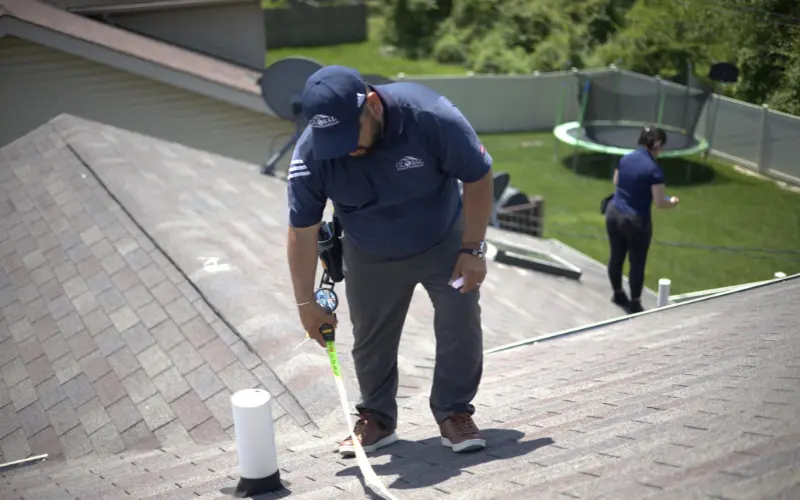
- Inspection to locate the source of damage
- Immediate mitigation, usually tarping or sealing
- Documentation, especially if insurance is involved
- Estimate for permanent repair
Some situations require partial tear-off to assess the full extent of the issue.
Also worth noting, building codes may require upgrades once repairs begin. For example, damaged decking often must be replaced to meet current standards.
Does Insurance Cover Emergency Roof Repair?
This is one of the most common questions.
Typically Covered
• Storm damage (wind, hail, falling objects)
• Sudden, accidental damage
Typically Not Covered
• Wear and tear
• Poor maintenance
• Old roof failure
If covered, insurance may pay for both emergency repairs and a full Roof Replacement.
Important step, document everything:
• Take photos immediately
• Save receipts
• Record the date and cause of damage
Filing quickly helps avoid disputes.
How to Reduce Emergency Repair Costs
Alright, let’s keep this practical. You can’t prevent every emergency, but you can reduce how bad it gets.
Preventive Steps
• Schedule annual roof inspections
• Clean gutters regularly
• Replace damaged shingles early
• Check flashing around vents and chimneys
Smart Moves During an Emergency
• Act immediately, delays increase damage
• Cover interior leaks to limit damage
• Avoid DIY fixes on active leaks or steep roofs
Even a simple tarp installed quickly can prevent thousands in interior repairs.
Signs You Should Act Immediately
Not sure if it’s urgent? Watch for these:
• Water dripping inside the home
• Ceiling stains growing quickly
• Missing or lifted shingles after a storm
• Sagging roof lines
• Daylight visible through attic boards
If you notice any of these, waiting is not a cost-saving strategy.
Final Thoughts: What Should You Do Next?
Emergency roof repair costs depend on timing, damage, and materials, but most fall between $300 and $3,000. The real decision is not just cost, it’s whether the fix is temporary or long-term.
Here’s the takeaway:
• Small issues, fix them fast and move on
• Repeated problems, consider a full replacement
• Storm damage, document everything for insurance
• Never delay active leaks, damage spreads fast
If your roof is currently leaking or damaged, your next step is simple: stabilize the situation first, then decide whether repair or replacement gives you the best long-term value.

.png)