.webp)
ACV vs. RCV Roof Coverage: What Homeowners Need to Know Before the Next Storm

Aaron Venegaz is the President and founder of Global Exterior Experts and has been in the construction / roofing industry for over 15+ years. He started the company back in 2010 and done everything from scheduling appointments to putting down roofs. He's also done everything from commercial roofing to residential roofing and has also worked with almost every single roofing material multiple times over the past 15 years.
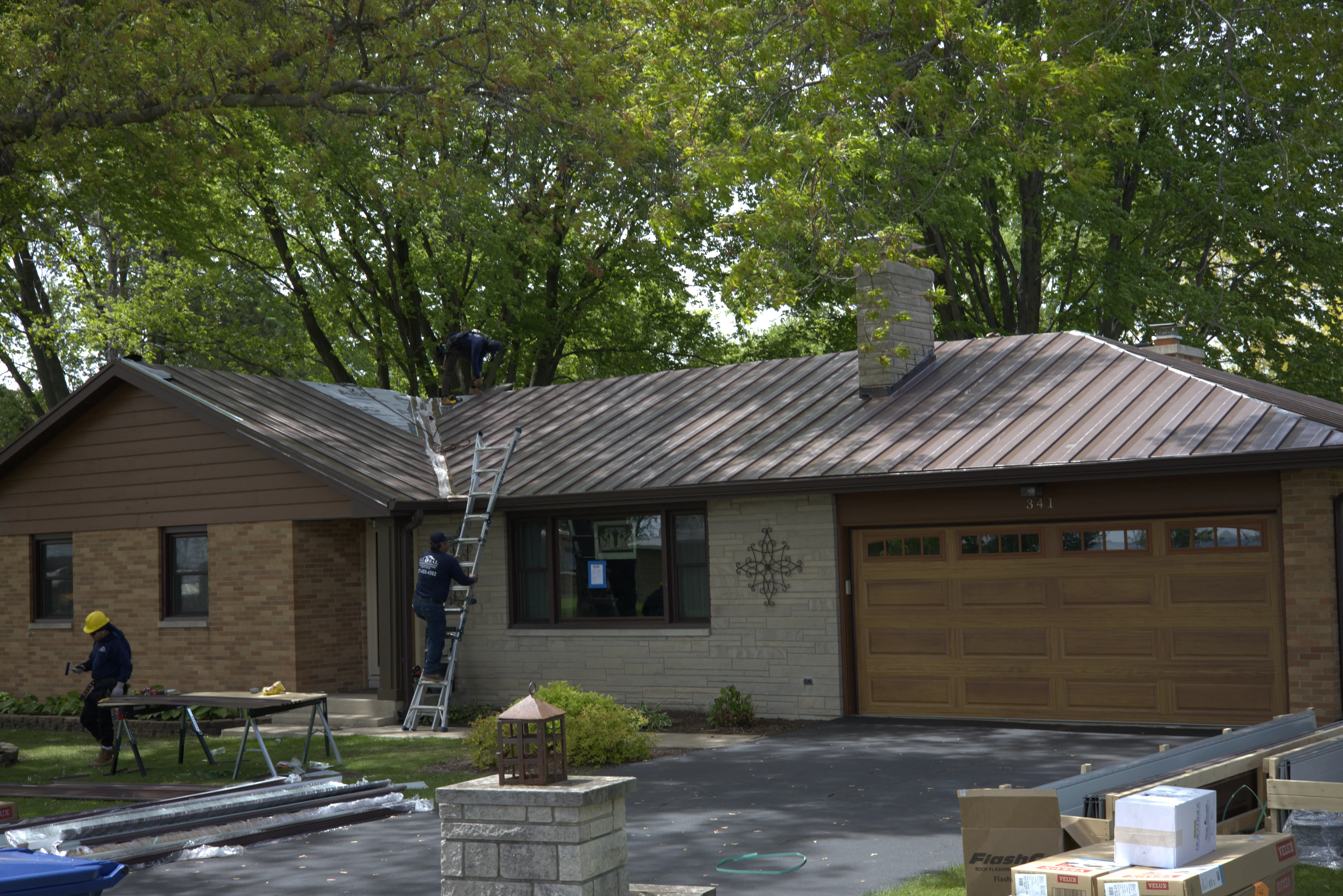
Standing seam metal roofing protects your property with concealed fasteners that lock panels together without exposed screws penetrating the surface. This design eliminates the thousands of potential leak points you'd get with traditional roofing systems. The vertical seams sit 1.75 to 2 inches above the flat panel surface, which also keeps water moving off the roof instead of pooling where it can cause problems.
The panels expand and contract naturally with temperature changes so they don't fight against themselves or crack over time. Most standing seam metal roofs last 40 to 70 years depending on the metal type you choose which can mean you're looking at one roof for the rest of your time in the building. That's the practical reality of what you're getting when you get a standing seem metal roof.
Superior Weather Protection That Actually Works
Here's the thing about concealed fasteners: they matter more than most people realize. Traditional metal roofing uses exposed screws with rubber washers that quickly break down from UV exposure and temperature swings. Then you just end up with hundreds or thousands of spots where water can eventually work its way through.
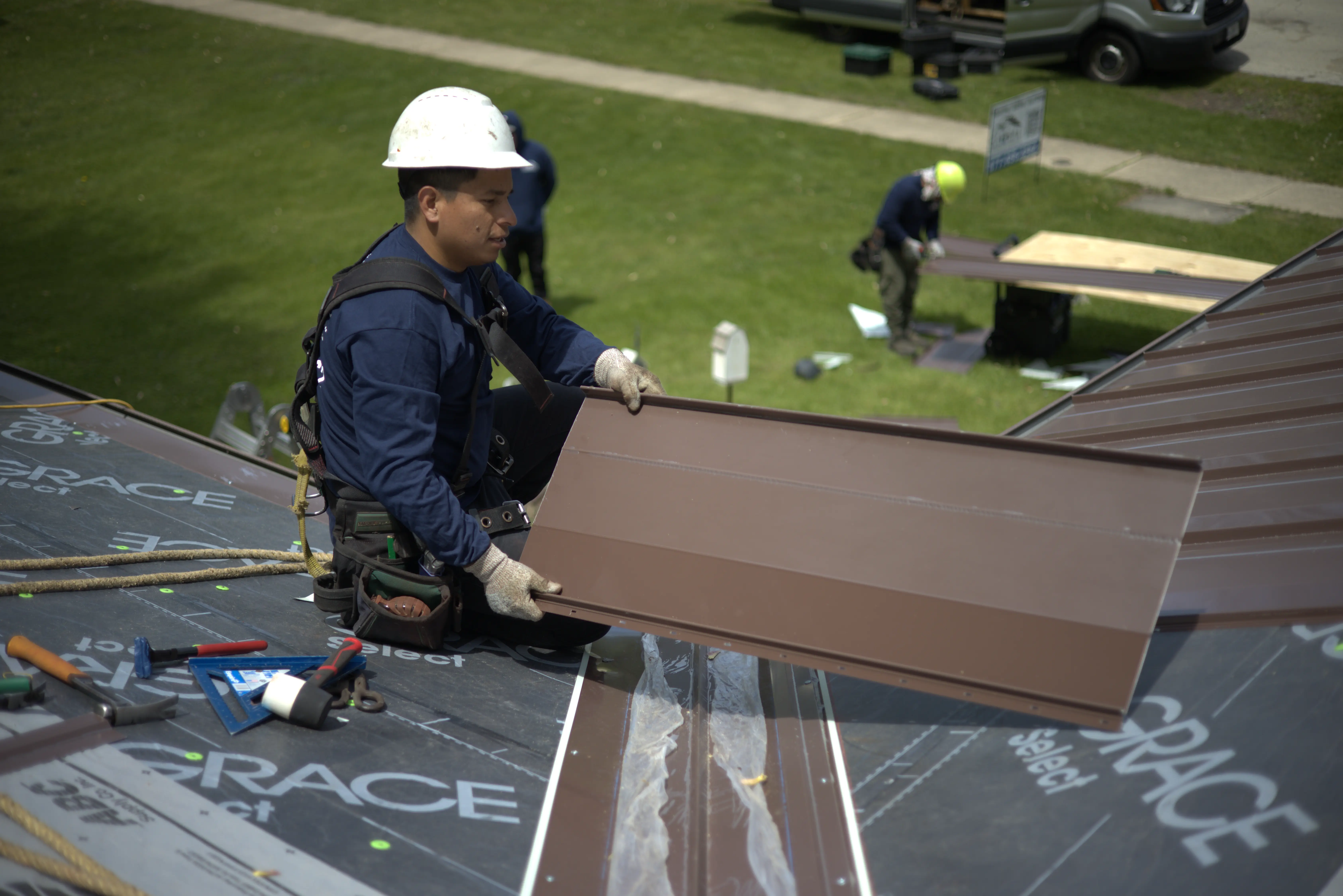
Standing seam systems attach to the roof deck with hidden clips underneath the panel seams. Then the metal panels snap or mechanically lock together, creating a continuous weather barrier without a single screw hole in the visible surface. This design has been tested to withstand winds exceeding 140 mph when properly installed.
The raised seams themselves (that vertical ridge running up the roof) create a physical barrier 2 inches above the panel surface. Heavy rain, ice, and snow have to climb that height before they can even reach the panel connections. It's a simple solution that works remarkably well in practice.
Lifespan That Changes Your Maintenance Planning
Steel standing seam roofs with quality paint finishes last 30 to 50 years in most climates. Aluminum performs similarly but handles coastal salt exposure better while premium metals like copper, zinc, and stainless steel push past 50 years and can reach 70 years or more with basic maintenance.
Compare that to asphalt shingles which need replacement every 20 to 25 years and you're looking at two or three shingle roofs during the same period one standing seam system handles the job. The math gets interesting when you factor in disposal costs, installation disruption, and the hassle of coordinating roof replacements multiple times.
The panels themselves don't wear out like organic materials becasue metal doesn't rot, crack from freeze-thaw cycles, or provide food for moss and algae. The paint finish is what determines longevity for steel and aluminum panels. PVDF (Kynar 500) paint systems come with 30-year warranties and often perform well beyond that timeline.
Real Energy Savings From Reflective Properties
Metal roofing naturally reflects solar radiation instead of absorbing it the way dark asphalt shingles do. The surface tends to heat up fast in direct sun but also cools down quickly once shade hits or evening arrives. This thermal behavior means less heat transfers through to your attic space.
Standing seam panels with "cool roof" coatings take this further. These specialized finishes contain reflective pigments that bounce back even more solar energy and in hot climates, this can cut air conditioning costs by 7% to 15% during summer months. Some installations even see cooling load reductions up to 25% compared to traditional dark roofing.
The panels also work well with additional insulation and you can install rigid foam boards between the metal and the roof deck creating a thermal break that prevents heat transfer in both directions. This helps with cooling in summer and heating efficiency in winter.
Of course, darker metal colors absorb more heat than lighter ones but if energy efficiency ranks high on your priority list, stick with whites, light grays, and tan shades. They'll give you the best thermal performance.
Check out Top 5 Most Energy Efficient Roofing Types
Maintenance That's Actually Manageable
Alright, let's talk about what you won't be doing with a standing seam roof. You won't be climbing up to re-tighten hundreds of screws that backed out from thermal expansion. You won't be replacing failed rubber washers or sealing around fastener penetrations. You won't be dealing with shingles that blew off during the last storm.
Annual maintenance consists of clearing debris from valleys, checking that the panels, trim, and flashing remain secure, removing leaves and branches that accumulate in roof valleys, looking for any panels that may have shifted (rare but possible after extreme weather). Inspect the sealant around penetrations like chimneys and vent pipes.
The concealed fastener design also means weather never touches the attachment points. They get protected under the panel seams, so UV exposure and moisture can't degrade them and this single design feature eliminates the most common maintenance headache with metal roofing.
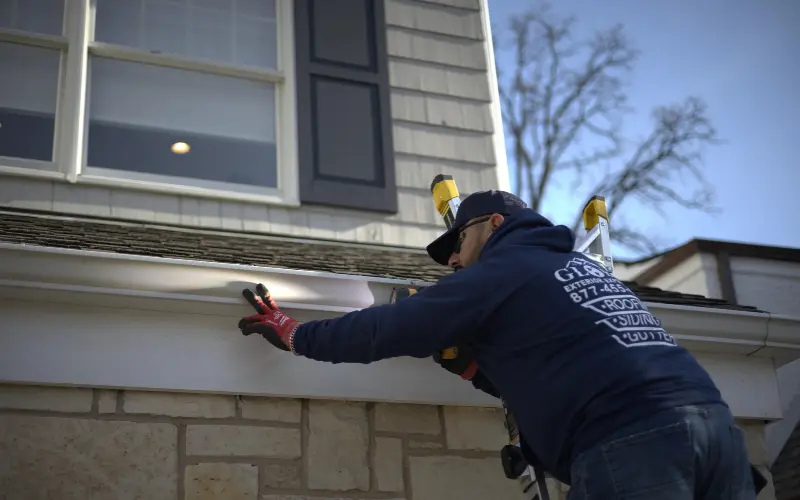
Most roofing companies recommend professional inspections every three to five years. The inspector checks panel connections, trim integrity, and penetration seals. We tend to catch small issues before they become expensive problems.
.webp)
Installation Costs and What Drives Them
Standing seam metal roofing costs between $20 and $30 per square foot installed in 2025. For an average 2,000-square-foot roof, that translates to $20,000 to $40,000 total. The national average sits around $51,865 according to recent cost data, though regional pricing varies significantly.
Material choice heavily influences the final number:
- Galvanized steel: $6 to $10 per square foot
- Aluminum: $8 to $12 per square foot
- Zinc: $12 to $16 per square foot
- Stainless steel: $20 to $25 per square foot
- Copper: $30 to $50+ per square foot
Labor makes up 60% to 70% of total project costs. Standing seam installation requires specialized skills and equipment. The panels need precise measurement, proper clip placement, and mechanical seaming (for that system type). Contractors charge more because the work demands expertise you don't find with basic roofing crews.
Your roof's complexity drives labor hours. Steep pitches slow work and require extra safety equipment. Multiple roof planes, valleys, dormers, and chimneys all add time to the installation. A simple gable roof goes faster than a complex hip design with three stories and multiple penetrations.
Fire Resistance That Insurance Companies Notice
Metal roofing earns Class A fire ratings (the highest available) when installed over proper underlayment. The panels themselves won't ignite or support flame spread. This matters more every year as wildfire risks increase across many regions.
Properties with Class A fire-rated roofs often qualify for reduced insurance premiums and the exact savings depend on your location and insurance provider but the discount typically ranges from 5% to 15% on the structure coverage portion of your policy. Then having that saving for over 30 to 50 years, that adds up.
The panels create a barrier between external fire sources (like windblown embers) and your roof structure. During wildfires, homes with metal roofs frequently survive while surrounding properties with composition shingles burn. The roof might get hot, but it won't catch fire and compromise the structure.
Just remember: the overall fire rating depends on what's under the metal. Installing standing seam panels over old wood shingles drops your rating. You need fire-rated underlayment and proper installation to achieve that Class A designation.
Aesthetic Flexibility and Curb Appeal
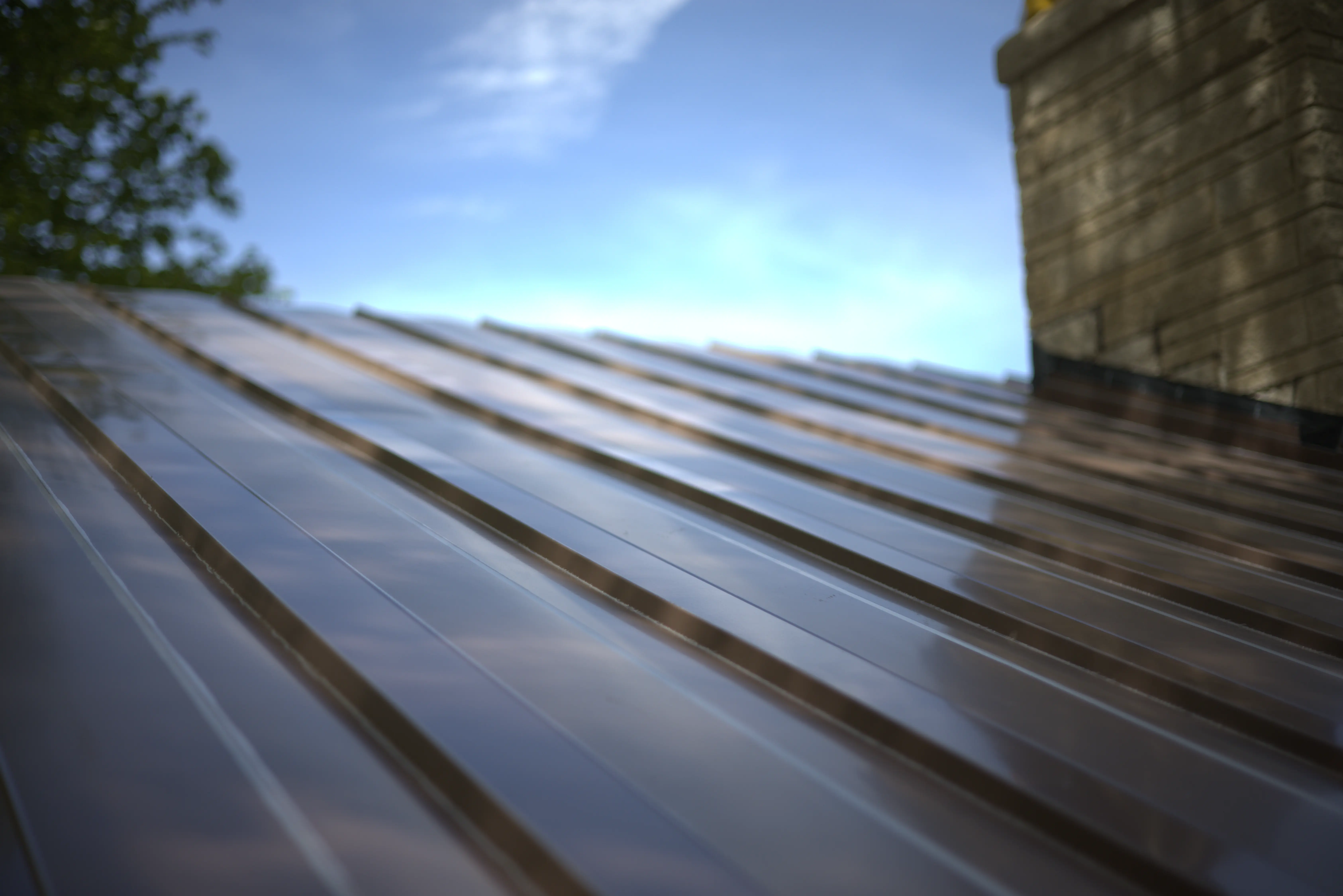
The clean lines of standing seam panels also create a modern look that stands out from standard shingle roofs. Those vertical seams running from ridge to eave give buildings a distinctive architectural character. It's subjective to say but many property owners consider standing seam the best looking metal roofing option available.
Color selection has expanded dramatically. PVDF paint systems offer dozens of standard colors plus custom options. You'll find everything from traditional barn red to modern matte black finishes. Some manufacturers produce specialty finishes that mimic weathered patina or real rusted steel for specific design aesthetics.
The panels work on various building styles. They look at home on contemporary structures, traditional farmhouses, modern commercial buildings, and mountain cabins. The versatility comes from that simple, linear design that adapts to different architectural contexts.
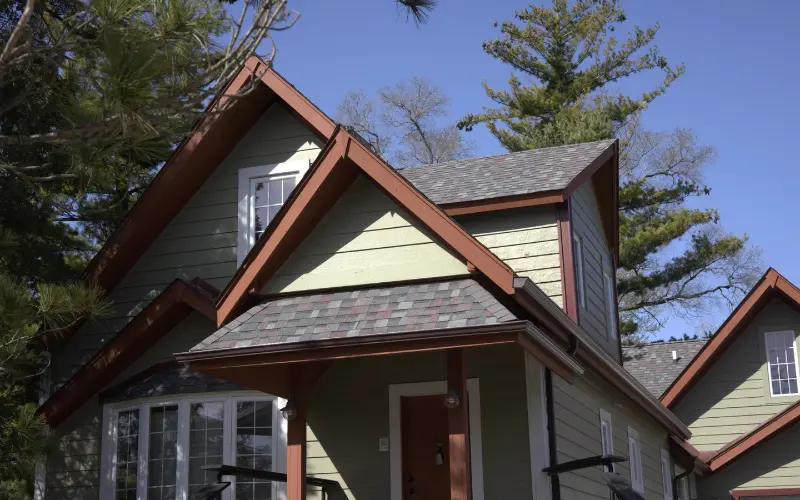
You can also use standing seam as an accent. Many projects combine it with other roofing materials: standing seam on the main house with sections over porches, bay windows, or garage extensions. This creates visual interest while showcasing the material's premium appearance.
Read more on our blog answering the question, Does a new roof increase home value?
Compatibility With Modern Building Systems
Standing seam roofs also integrate easily with solar panels and snow retention systems. This lets you mount equipment securely while maintaining the roof's weather-tight integrity.
Solar installations benefit because the clamp systems don't create new leak points. Traditional mounting requires dozens of roof penetrations that need flashing and sealing. With standing seam, the clamps grip the seam mechanically, and the panels remain completely intact.
Snow guards attach the same way. In areas with heavy snowfall, these devices prevent dangerous ice and snow buildup from sliding off the roof in large sheets. The standing seams provide ideal mounting locations without compromising the roof system.
The panels also accommodate roof pitch requirements that other systems can't handle. Mechanically seamed standing seam works on slopes as low as 0.5:12 (nearly flat). Snap-lock systems need at least 3:12 pitch. This flexibility opens up design options for modern architecture with low-slope sections.
What to Consider Before You Commit
Standing seam costs roughly two to three times more than architectural shingles up front. That's a significant investment, and you need to plan for it. Most properties see the value return over time through longevity, reduced maintenance, and energy savings, but you're still writing a larger check at installation.
The panels can be noisy during heavy rain or hail. Solid wood decking between the panels and your interior space helps absorb sound. Adding insulation boards under the panels reduces noise further. But even with sound dampening, you'll hear weather activity more than you would with shingles or tile.
Not all contractors have standing seam installation experience. This system requires different skills than standard roofing work. Interview contractors about their metal roofing portfolio specifically. Ask for references on standing seam projects, not just general roofing work.
Certain metals perform better in specific climates. Galvanized steel does well in landlocked, temperate regions but struggles with salt exposure. Aluminum excels in coastal and humid environments but dents more easily from hail. Match your metal choice to your local conditions.
Planning Your Standing Seam Installation
Start by getting multiple quotes from contractors with documented standing seam experience. Don't accept the first number you see, prices vary significantly between companies. Make sure quotes include all components: panels, underlayment, trim, flashing, clips, labor, and disposal of old roofing (if applicable).
Budget an extra 10% to 15% beyond the quoted price for potential surprises because things like rotten decking also needs urgent replacement before new roofing goes down, sometimes roof framing requires reinforcement, building permits add costs in most jurisdictions. These aren't upsells, they're legitimate issues that only become visible once old roofing comes off.
Installation timing matters for most regions. Extreme heat makes metal handling difficult, and winter weather can pause work. Spring and fall typically offer the best conditions but expect our schedules to fill up during these popular periods. Book your project several months ahead.
Check your local building codes regarding metal roofing because unfortunately some jurisdictions have specific requirements for fire ratings, wind resistance, or installation methods. We know these rules, but just verify the information independently. The last thing you need is failing a building inspection halfway through the project but we can corrdinate and arrange that.