.webp)
ACV vs. RCV Roof Coverage: What Homeowners Need to Know Before the Next Storm

Aaron Venegaz is the President and founder of Global Exterior Experts and has been in the construction / roofing industry for over 15+ years. He started the company back in 2010 and done everything from scheduling appointments to putting down roofs. He's also done everything from commercial roofing to residential roofing and has also worked with almost every single roofing material multiple times over the past 15 years.
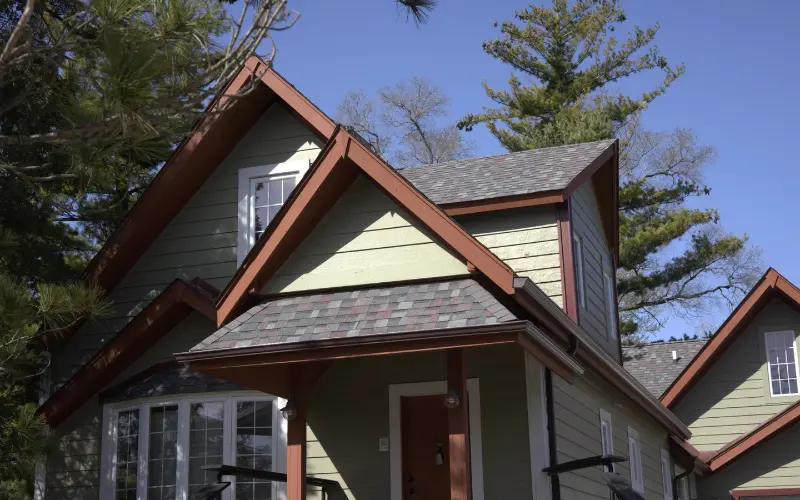
Owens Corning Duration shingles last the longest with premium lines reaching 50 years when the shingles are installed correctly, and that's not marketing talk, it's backed by warranties, material engineering, and real world performance in climates that put roofs through hell and back.
The catch? Longevity isn't just about the brand name. Installation quality, ventilation, and your property's exposure to weather will changes those numbers and a poorly installed premium shingle can fail faster than a budget option done right.
How The Shingle Lifespan Works
Shingle lifespan gets measured in two ways: the manufacturer's warranty and real world performance and these rarely match up perfectly.
Standard 3-tab shingles carry 20 to 25 year manufacturer warranties while architectural (dimensional) shingles push that to 30, 40, or even 50 years for top-tier products. Now warranties include fine print. They're prorated, meaning coverage decreases over time and a 30 year shingle might only get full replacement coverage for the first 10 years.
Real world lifespan depends on:
- Climate exposure (freeze-thaw cycles, UV intensity, storm frequency)
- Roof pitch and ventilation
- Attic insulation and moisture control
- Installation quality (nail placement, starter strips, flashing details)
- Maintenance (algae growth, debris removal, missing shingles)
Illinois weather throws everything at a roof. Summer heat bakes shingles to 160°F. Winter cold drops temps below zero. Spring storms bring hail. Fall winds tear at edges. That expansion and contraction cycle wears down asphalt faster than in mild climates.
Owens Corning: The Longevity Leader
Owens Corning Duration shingles set the standard for long-term performance. Their premium line, Duration Flex, uses SureNail technology that creates a reinforced nailing zone. This matters because wind damage usually starts with lifted shingles, and that happens when nails pull through the mat.
Duration shingles come with a limited lifetime warranty that translates to 50 years of coverage. The TruDefinition color system uses high contrast granules that resist algae and maintain color better than competitors. In Illinois humidity (which breeds roof algae), that's not cosmetic. Algae shortens lifespan by trapping moisture.
The Duration Storm line adds impact resistance. Illinois sees damaging hail storms, especially in spring. Impact-resistant shingles carry a Class 4 rating (the highest), which often qualifies for insurance discounts. Not to mention, hail damage voids most warranties, so starting with impact resistance protects your investment.
Here's what separates Owens Corning from the pack: their StreakGuard algae protection covers the entire shingle, not just surface granules. Cheaper brands apply algae resistance to the top layer only. Once granule loss starts (normal wear), algae protection disappears, while Owens Corning builds it into the entire asphalt layer.
Installation details matter just as much as the product. Owens Corning requires specific ventilation ratios and underlayment choices to honor warranties. Skip those details, and the warranty becomes worthless. Any roofing company worth hiring knows these requirements inside out.
GAF and CertainTeed: The Close Competition
GAF Timberline HDZ shingles compete directly with Owens Corning, offering LayerLock technology that mechanically fastens shingle layers. This reduces blow-offs in high winds. Their Timberline UHDZ line pushes warranties to 50 years with enhanced impact resistance.
CertainTeed Landmark shingles use StreakFighter algae protection (similar concept to StreakGuard) and carry strong warranties. Their Presidential line targets the premium market with oversized shingles and extended coverage.
Both brands deliver quality products that last 30 to 40 years in Illinois conditions but the difference comes down to installation requirements, color options, and what your roofing company recommends based on supply relationships.
But here's the reality: Owens Corning's SureNail technology and full-shingle algae protection give it an edge in humid, storm-prone climates which matters more in the Midwest than in desert states where UV exposure drives failure.
.webp)
3-Tab vs. Architectural: The Lifespan Gap
3-tab shingles still exist and mostly for budget builds or minimal-slope applications. They last 15 to 20 years in ideal conditions and in Illinois can last 12 to 18 years before significant wear appears.
Architectural shingles start at 25 to 30 years and climb from there. The dimensional construction (multiple asphalt layers laminated together) creates a thicker product that resists wind, hail, and thermal cycling better than just a flat 3-tab.
The cost difference shrinks when you calculate lifespan because a 3 tab roof might cost $5,000 less upfront but needs replacement in 15 years. An architectural roof typically lasts 30 years. You're not saving money, you're just delaying the expense while adding a second roof replacement cycle.
Wind resistance tells the same story and 3 tabs typically rate for 60 mph winds. Architectural shingles hit 110 to 130 mph, and illinois storms regularly produce wind gusts above 60 mph.
Climate Impact: What Illinois Weather Does to Shingles
Illinois sits in a tough climate zone for roofing because the four season temperature swings create constant expansion and contraction. Asphalt shingles flex when hot, stiffen when cold, and that cycle causes granule loss and mat cracking over time.
Freeze-thaw cycles hit especially hard. Snow melts during the day, water seeps under shingle edges, temperatures drop at night, ice expands and lifts shingles. Repeat this 40 times per winter, and you see why Illinois roofs age faster than Florida or Arizona roofs.
Humidity breeds algae. Those black streaks on north-facing slopes? That's Gloeocapsa magma, an algae that feeds on limestone filler in asphalt shingles. It holds moisture against the shingle surface, accelerating deterioration but algae-resistant shingles combat this with copper or zinc granules that create a protective coating when rain washes over them.
Hail remains the wild card. A single severe hailstorm can shred a roof regardless of quality. Class 4 impact-resistant shingles help, but nothing survives baseball-sized hail. The difference only shows up in borderline storms where premium shingles take the hit without catastrophic damage.
UV exposure matters less in Illinois than southern states, but it still contributes to aging. Shingles on south and west-facing slopes fade and deteriorate faster than north and east slopes. Color choice affects this slightly (darker shingles absorb more heat), but material quality matters more.
Warranties: Reading Between the Lines
A 50-year warranty sounds impressive until you read the coverage schedule and most warranties follow this pattern:
- Years 1-10: Full material replacement coverage
- Years 11-20: Prorated coverage based on shingle depreciation
- Years 21+: Minimal coverage, often just material credit
Labor coverage usually expires after 10 to 15 years. That means if shingles fail in year 20, you might get free materials but still pay $8,000 to $12,000 for labor, disposal, and underlayment.
Non-prorated warranties exist but can cost significantly more. They're worth considering on premium installations where you plan to own the property long-term.
Warranty activation also may require registration within a specific timeframe (usually 60 days after installation). Miss that window, and coverage drops to a standard limited warranty. Your roofing company should handle registration, but verify it happened.
Here's what voids most warranties:
- Inadequate ventilation (this kills more warranties than anything)
- Improper installation (wrong nails, incorrect exposure, missing starter strips)
- Algae or moss growth (usually considered maintenance failure)
- Impact damage from hail or falling objects
- Installation over more than one layer of old shingles
The algae clause actually trips up most homeowners because even algae resistant shingles require regular cleaning if growth starts. Ignore those black streaks for five years and your warranty claim might get denied.
.webp)
Installation Quality: The Hidden Lifespan Factor
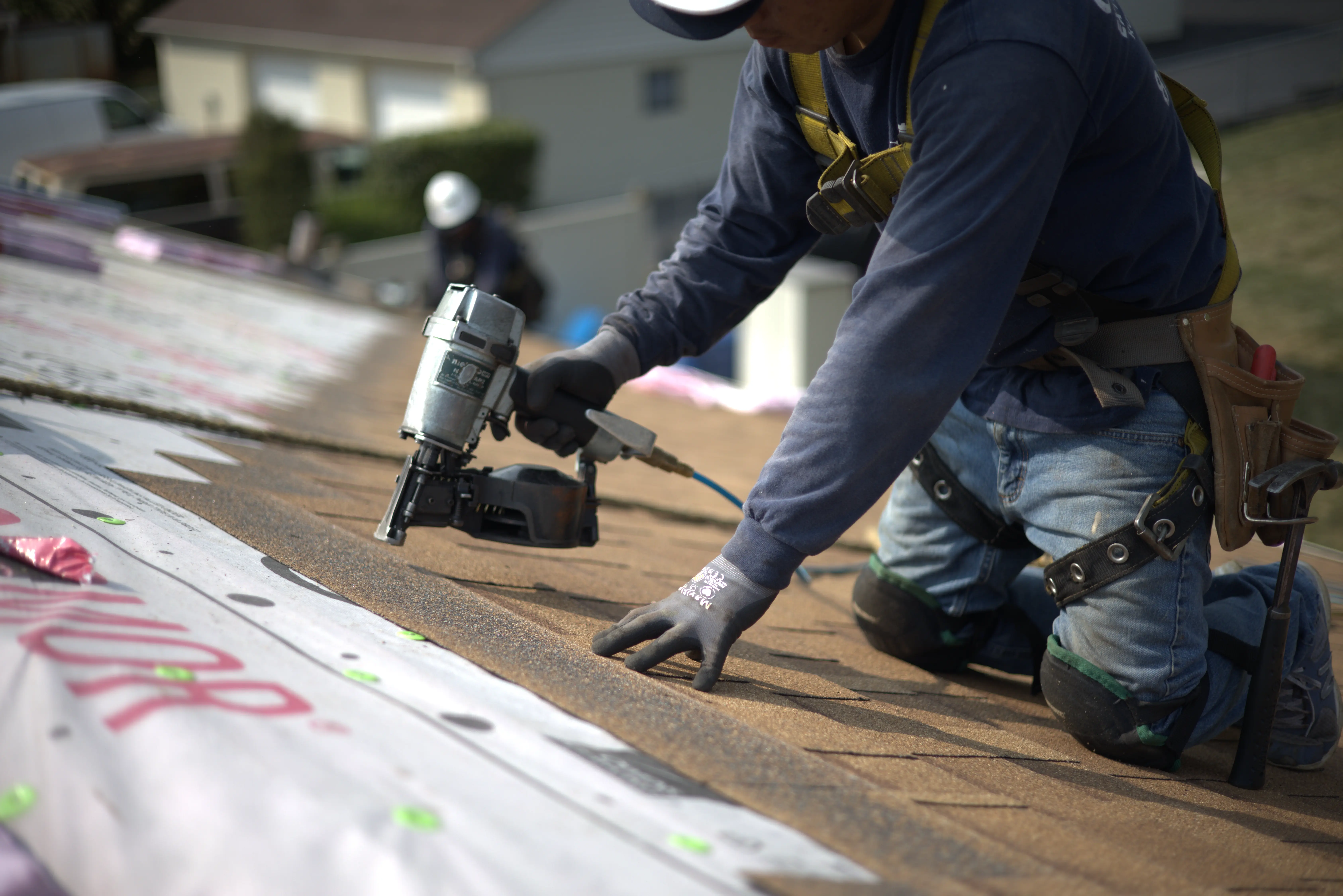
The best shingles fail early with poor installation. The worst shingles exceed expectations when installed perfectly. Installation matters that much.
Critical installation details:
- Nail placement within the nailing zone (too high or too low causes blow-offs)
- Proper shingle exposure (too much exposure weakens coverage, too little traps water)
- Starter strip installation along eaves and rakes
- Ice-and-water shield in valleys and eaves (required by code in Illinois)
- Drip edge under underlayment at eaves, over underlayment at rakes
- Ridge vent installation with proper baffling
Ventilation deserves its own section, but here's the short version: inadequate attic ventilation cooks shingles from below. Asphalt shingles rated for 30 years fail in 15 when attic temperatures hit 160°F regularly. This happens more often than you'd think, especially in older homes with insufficient soffit and ridge venting.
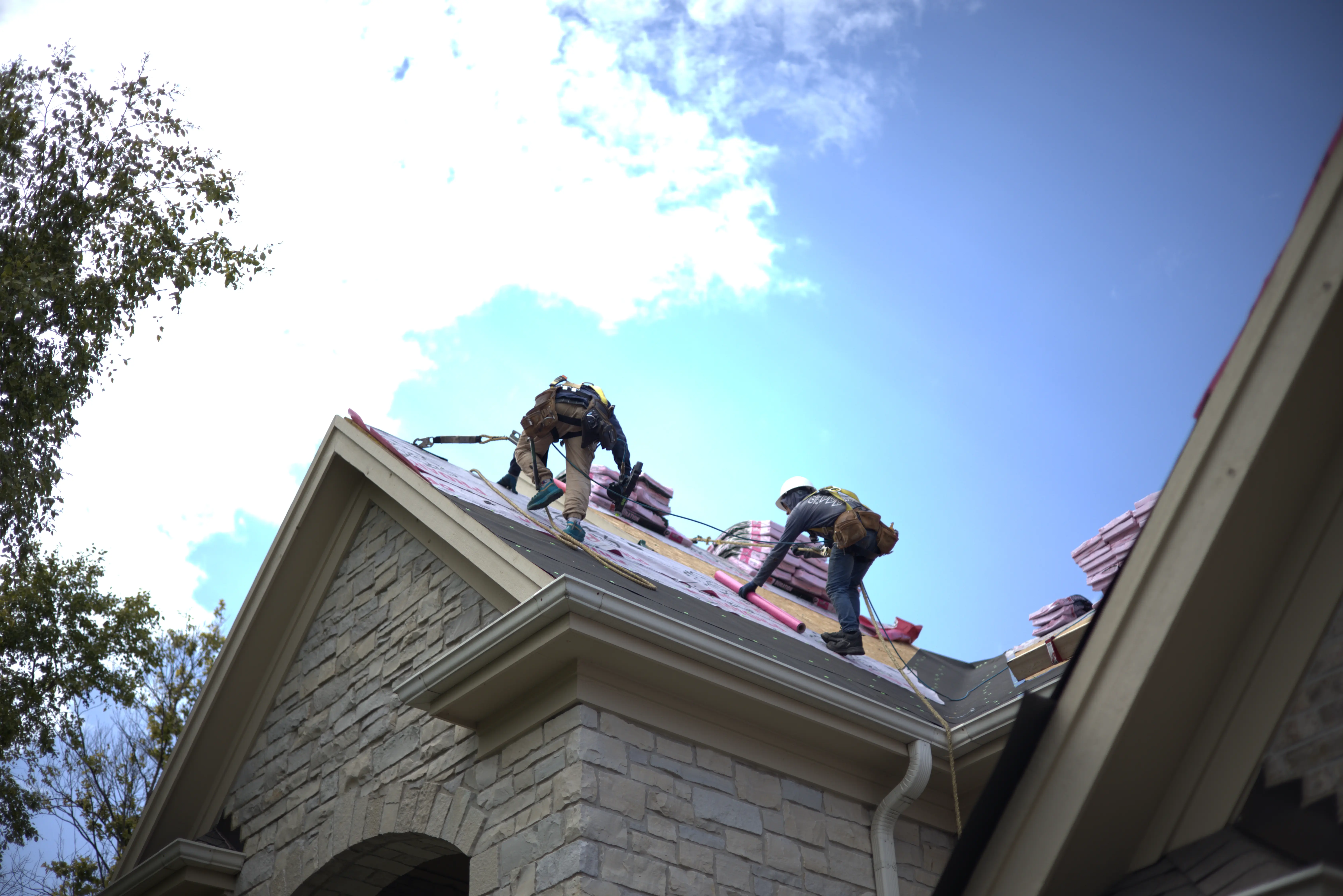
Underlayment choice impacts lifespan too. Basic felt paper (15-lb or 30-lb) does the job but deteriorates faster than synthetic underlayment. Synthetic products cost more upfront but add secondary protection that extends total roof life. When you're installing 50-year shingles, matching them with quality underlayment makes sense.
Flashing details cause most roof leaks. Step flashing at sidewalls, kick-out flashing at roof-to-wall transitions, and proper valley construction determine whether water finds its way inside. Shingles rarely leak on their own. Flashing failures are usually the culprit.
Maintenance: Extending What You've Got
Even the longest-lasting shingles need attention. Regular maintenance adds 5 to 10 years to any roof.
Basic maintenance tasks:
- Clean gutters twice yearly (spring and fall)
- Remove debris from roof surface (leaves, branches, acorns)
- Inspect for lifted, cracked, or missing shingles after storms
- Clean algae growth with roof-safe solutions
- Trim overhanging tree branches
- Check attic for moisture or ventilation issues
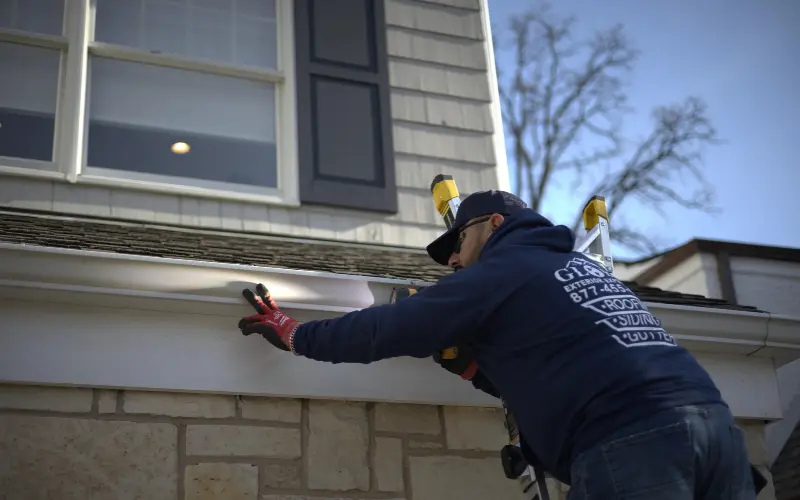
Moss and algae removal requires care. Pressure washing damages shingles by stripping granules. Low-pressure cleaning with proper solutions works better. Some roofing companies offer maintenance programs that include annual inspections and cleaning.
Spot repairs matter more than most homeowners realize. A single missing shingle exposes underlayment to UV and weather. Replace it within weeks, and no damage occurs. Wait two years, and water penetrates the deck, requiring larger repairs.
Attic inspections reveal problems early. Dark stains on roof decking indicate leaks. Wet insulation shows ventilation failure. Catching these issues before they become visible inside saves thousands in repair costs.
Making the Decision: What to Consider for Your Roof Replacement
Choosing shingles involves balancing budget, longevity goals, and property plans. If you're selling in five years, premium shingles won't return the investment but if you're staying 20 years, they absolutely will.
Questions to ask before deciding:
How long do you plan to own the property? Lifespan only matters if you'll be there to benefit from it. A 50-year shingle on a flip property makes no financial sense.
What's your current roof's condition? If the deck needs work or ventilation requires upgrading, factor those costs into total budget. Sometimes spending less on shingles frees money for necessary structural repairs.
What's your insurance situation? Impact-resistant shingles often qualify for 10% to 20% discounts on homeowner's insurance and In hail-prone areas, that discount pays for the upgrade in 7 to 10 years.
What do local building codes require? Some municipalities now require minimum wind ratings or ice-and-water shield coverage beyond state code. Verify requirements before selecting products.
What's your property's exposure? Heavily wooded lots need algae-resistant shingles more than open properties. South and west-facing roofs benefit from lighter colors in hot climates (though this matters less in Illinois than Texas).
Color selection impacts more than aesthetics. Dark shingles absorb heat, which accelerates aging but helps snow melt faster in winter. Light shingles reflect heat, running cooler but potentially allowing ice dams in poorly ventilated roofs. In Illinois, either works fine with proper attic ventilation.
What Happens After 25 Years?
Even the best shingles show age eventually. Granule loss, slight curling at edges, and color fading mark normal wear. The question becomes whether the roof needs replacement or just monitoring.
Signs a roof needs replacement:
- Widespread granule loss (shingles look bald or different colors)
- Curling or cupping across multiple areas
- Cracked or brittle shingles that break when touched
- Multiple leaks or recurring leak repairs
- Visible sagging or deck deterioration
- Missing shingles after every wind event
Signs a roof has life left:
- Isolated damage in specific areas
- Mostly intact granule coverage
- No leaks or interior water damage
- Flashings and valleys in good condition
- Minimal lifting or curling
Professional inspection settles the question and expect to pay $150 to $300 for a thorough inspection with a written report. That report becomes valuable when dealing with insurance claims or planning replacement timing.
Partial roof replacement works in limited situations. Matching discontinued shingle colors and styles gets difficult after 15 years. If damage affects less than 30% of one slope, partial replacement might work. Anything more, and full replacement makes more sense for warranty and aesthetic reasons.
The Bottom Line on Shingle Longevity
Owens Corning Duration shingles deliver the longest lifespan for Illinois properties when installed with proper ventilation and quality underlayment. GAF and CertainTeed offer competitive alternatives, but Owens Corning's SureNail technology and comprehensive algae protection give it an edge in Midwest conditions.
The investment into quality buys 15 to 20 additional years of service, making it worthwhile for long-term homeowners.
Climate matters as much as brand. Illinois freeze-thaw cycles, humidity, and storm exposure accelerate wear on all shingles. Choosing materials rated for extreme weather and impact resistance protects against the worst local conditions throw at roofs.
Installation quality determines whether shingles reach their rated lifespan. Proper ventilation, correct nail placement, quality underlayment, and careful flashing work aren't negotiable details. They're requirements for any roof lasting 30-plus years.
Maintenance extends lifespan regardless of brand. Regular cleaning, debris removal, and prompt repairs add years to any roof. Ignoring small problems turns them into expensive replacements.
When planning your roof replacement, start with these priorities: choose shingles rated for your expected ownership period, verify the roofing company understands manufacturer installation requirements, and confirm attic ventilation meets current standards. Get those three right, and brand differences become secondary considerations.
The longest-lasting shingle is the one installed correctly on a properly ventilated roof by a roofing company that knows what they're doing. Everything else is just product selection.