.webp)
What Is Roofing Underlayment and Why Does It Matter?

Aaron Venegaz is the President and founder of Global Exterior Experts and has been in the construction / roofing industry for over 15+ years. He started the company back in 2010 and done everything from scheduling appointments to putting down roofs. He's also done everything from commercial roofing to residential roofing and has also worked with almost every single roofing material multiple times over the past 15 years.
A denied roof claim is not the end of the road. You have the right to appeal, request a re-inspection, invoke your policy's appraisal clause, file a complaint with your state insurance department, or take legal action. Most denials can be challenged, and many get overturned when you come back with better documentation. The first step is simple: get the denial in writing, then get a licensed roofing company on your roof to build the evidence.
Now let's walk through the process, in the order that actually works.
Why Roof Claims Get Denied in the First Place
Here's the thing: insurance companies deny claims for a handful of predictable reasons. Knowing which one you got determines your next move.
The most common denial reasons:
- The adjuster called the damage "wear and tear" instead of storm damage
- You filed after your policy's deadline (often six months to a year from the storm date)
- The damage estimate came in below your deductible
- The insurer blamed poor maintenance or improper installation
- Your policy excludes cosmetic damage or has a separate wind and hail deductible
Every one of these can be wrong. Adjusters spend fifteen minutes on a roof. They miss things, they misread things, and sometimes they lean the way their employer prefers (who would've thought?).
Step 1: Read the Denial Letter Line by Line
Do not skip this. Your denial letter must state the specific reason for the denial and the policy language behind it. That reason is the target you're aiming at.
If the letter says "wear and tear," your fight is about proving storm damage. If it says "below deductible," your fight is about the scope of damage the adjuster missed. Request the adjuster's full report and photos too. You're entitled to them, and they often reveal a rushed inspection: ten photos of a 2,500 square foot roof tells its own story.
Step 2: Get an Independent Inspection
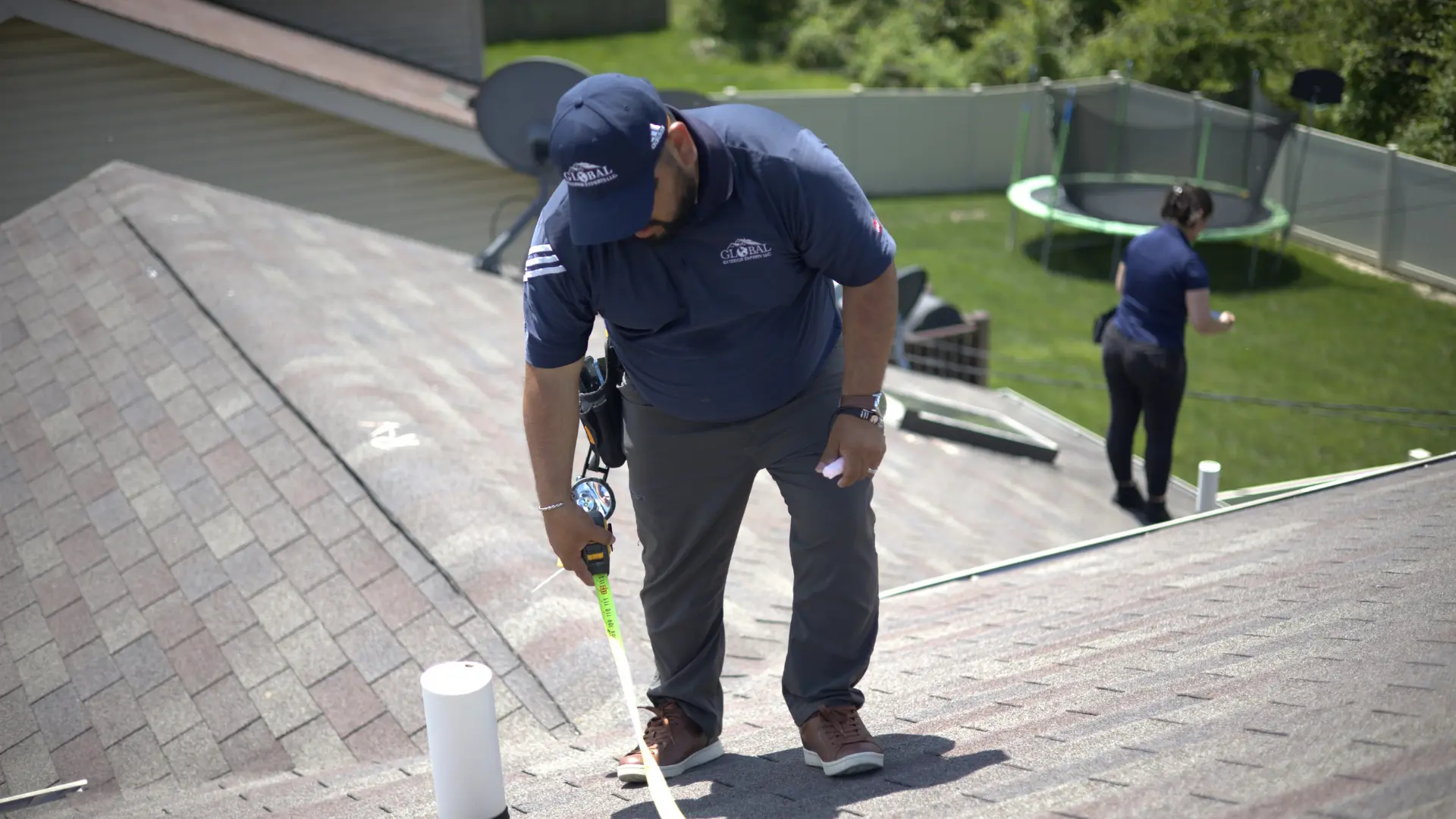
Before you argue with anyone, get your own evidence. A licensed roofing company will inspect the roof for free in most cases and document what the adjuster missed: bruised shingles, fractured mats, damaged ridge caps, dented vents and flashing.
What you want from that inspection:
- Dated photos of every damage point, marked with chalk
- A written scope of repairs with line-item pricing
- Notes tying the damage to the storm date (weather reports help here)
- An honest answer on whether this is storm damage at all
That last point matters. If the damage really is age, an honest roofer will tell you, and you'll save yourself months of fighting a claim you can't win.
Step 3: Request a Re-Inspection
Alright, let's talk about the appeal itself. Call your insurer, reference your claim number, and request a re-inspection based on new documentation. Put the same request in writing, attach your roofing company's report and photos, and keep copies of everything.
Ask that your contractor be present when the new adjuster shows up. This is the single most effective move in the whole process. A contractor on the roof pointing out each impact mark changes the conversation completely. Re-inspections usually happen within one to three weeks, and a large share of denials get reversed right here.
Step 4: Invoke the Appraisal Clause
Here's an insider detail most homeowners never hear about: nearly every homeowner's policy contains an appraisal clause. If you and the insurer disagree on the amount of damage, either side can demand appraisal.
How it works: you hire an appraiser, the insurer hires one, and the two pick a neutral umpire. Any decision two of the three agree on is binding. Your appraiser typically costs $300 to $800, plus a split of the umpire's fee, and the process runs one to three months. It's slower than a re-inspection but far cheaper and faster than court. One caveat: appraisal settles the amount of loss, not coverage disputes, so it works best when the insurer admits some damage but lowballs the scope.
Step 5: File a Complaint With Your State Insurance Department
This one is quick, free, and more powerful than people think. Every state has an insurance department that regulates carriers, and every complaint gets logged and requires a formal response from the insurer.
Filing takes about thirty minutes online. Attach your denial letter, your independent inspection report, and a short timeline of events. Insurers track their complaint ratios, and a documented complaint sometimes shakes loose a re-inspection or settlement offer that phone calls never did. Expect a response within 30 to 60 days.
Step 6: Public Adjusters and Attorneys
Of course, none of this comes free once you bring in professionals. If the claim is large and the insurer won't budge, you have two hired-gun options.
- Public adjusters work for you, not the insurance company. They typically charge 10% to 20% of the final settlement. Best for large, complex claims where scope is the fight.
- Insurance attorneys usually work on contingency, around 30% to 40% of what they recover. Many offer free consultations. Best when the insurer is acting in bad faith or the claim involves a full roof replacement worth $15,000 or more.
Check your state's statute of limitations before you wait too long. Many states give you one to two years from the denial to sue, and some policies shorten that window further in the fine print.
What if You Lose? Paying Out of Pocket
Sometimes the denial sticks. If the damage is real but the claim is dead, don't let the roof rot while you're angry about it. Water damage compounds fast, and a leak that ruins decking and insulation turns a shingle problem into a structural one.
Realistic numbers: targeted repairs run $400 to $1,800 for most homes. A full roof replacement runs $9,000 to $22,000 depending on size, pitch, and materials, and takes one to three days of actual work once materials arrive. Many roofing companies offer financing, and spreading a roof replacement over monthly payments beats waiting for a ceiling stain to make the decision for you. One more insider note: replacement requires a permit in most towns, and current code may force upgrades like drip edge or ice and water shield that your old roof never had. Budget a little cushion for that.
Mistakes to Avoid While You Fight
Keep your claim clean while the appeal plays out:
- Don't make permanent repairs before the re-inspection (temporary tarping is fine and expected)
- Don't miss appeal deadlines listed in your denial letter
- Don't vent your frustration in recorded calls; stay factual
- Don't sign an assignment of benefits without reading it carefully
- Don't throw away receipts, photos, or letters. Ever.
The Bottom Line
A denied roof claim is a setback, not a verdict. Read the denial letter, get a free independent inspection from a licensed roofing company, and request a re-inspection with your contractor on site. If that fails, the appraisal clause, a state insurance complaint, a public adjuster, or an attorney each give you another swing, in roughly that order of cost. Move fast, document everything, and keep the roof protected in the meantime. Whether the end result is an overturned denial or an out-of-pocket roof replacement, the homeowners who win are the ones who treat the appeal like a project, not an argument.