.webp)
What Is Roofing Underlayment and Why Does It Matter?

Aaron Venegaz is the President and founder of Global Exterior Experts and has been in the construction / roofing industry for over 15+ years. He started the company back in 2010 and done everything from scheduling appointments to putting down roofs. He's also done everything from commercial roofing to residential roofing and has also worked with almost every single roofing material multiple times over the past 15 years.
The fastest way to know if your roof has hail damage is to look for dents in soft metals first: gutters, downspouts, and vent caps. If hail dented your metal, it almost certainly hit your shingles too. From there, look for missing granules, dark bruised spots on shingles, and shingle pieces in your yard. If you spot any of these, get a professional inspection from a licensed roofing company within a few weeks of the storm.
That's the short answer. Now let's walk through exactly what to check, what it costs, and what to do next.
Start on the Ground, Not the Ladder
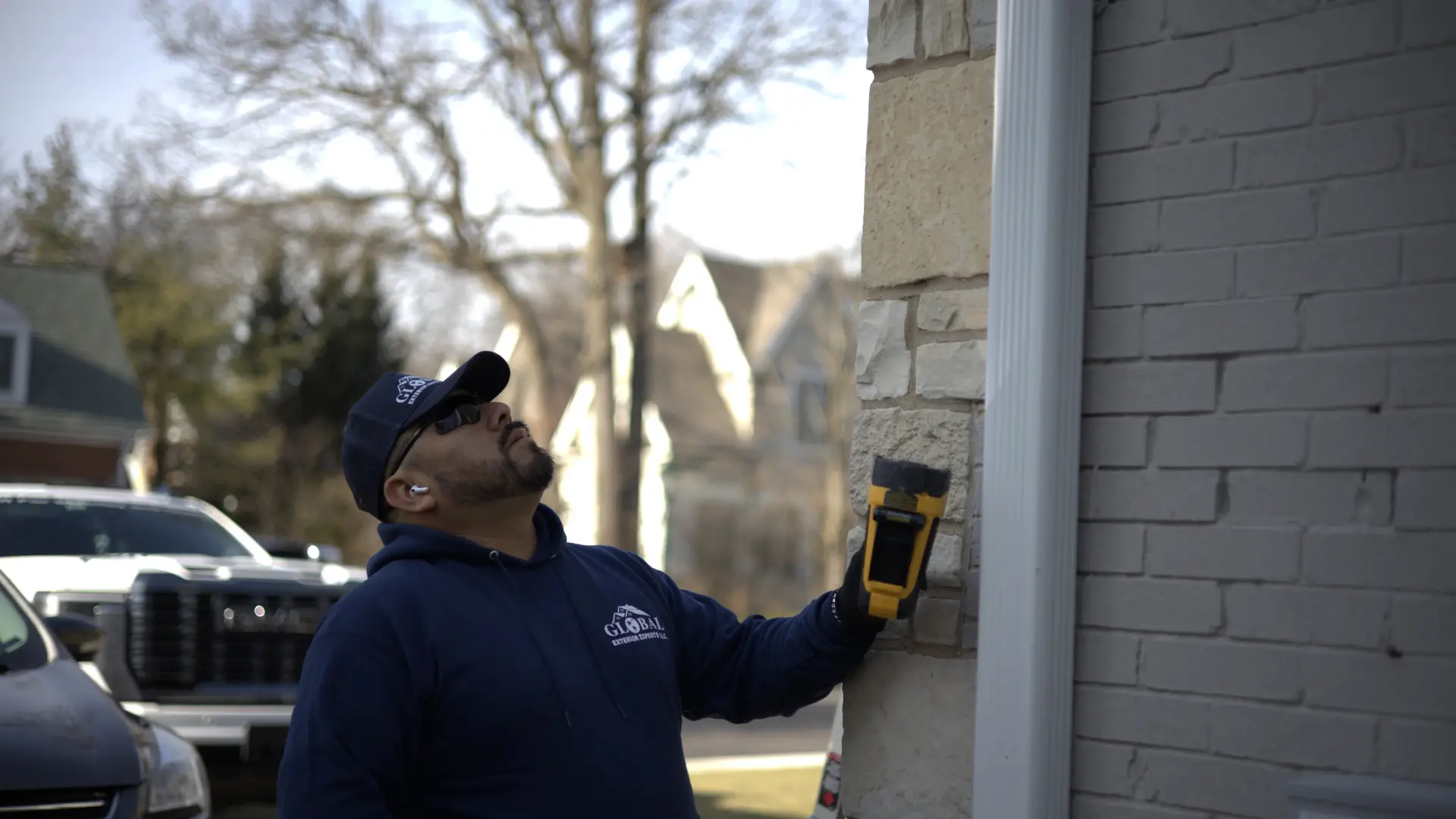
Here's the thing: you don't need to climb on your roof to find the first clues. In fact, please don't. Wet or granule-covered shingles are slippery, and hail damage is hard to judge up close if you don't know what you're looking for.
Walk your property and check:
- Dents in gutters, downspouts, and gutter screens
- Dings on your mailbox, AC unit fins, or grill lid (hail doesn't play favorites)
- Shingle granules piled at the bottom of downspouts
- Torn window screens or cracked siding
- Broken tree branches or shredded leaves
Soft metal is your best witness. It dents at hail sizes that also damage shingles, and it holds the evidence long after the storm passes.
What Hail Damage Looks Like on Asphalt Shingles
Alright, let's talk about the roof itself. Hail damage on asphalt shingles shows up in a few specific ways:
- Round black or dark spots with no clear pattern, scattered randomly
- Bare patches where granules got knocked off, sometimes exposing shiny black asphalt
- Soft spots that feel like a bruise on an apple when pressed
- Cracks radiating out from an impact point
The random pattern matters. Hail falls everywhere, so real hail damage never lines up in neat rows. Damage that follows a straight line usually points to a manufacturing defect or foot traffic, not a storm.
The Damage You Can't See Is the Expensive Part
This is where most homeowners get burned. A hailstone can fracture the fiberglass mat inside a shingle without leaving an obvious mark on the surface. The shingle looks fine from the driveway. Then six months later, those fractures open up, granules wash away, and water finds its way into your decking.
That's why a roof that "looks okay" after a big hailstorm still needs an inspection. Hidden mat fractures are the reason small hail events turn into full roof replacement projects a year down the road. Catch it early and it's an insurance claim. Catch it late and it might be rot repair on your own dime.
Check the Vulnerable Spots
Some parts of your roof take hail worse than others. If you can see these areas safely from a ladder at the gutter line or with binoculars, focus here:
- Ridge caps: They sit at the peak and take direct vertical hits.
- Vents and pipe boots: Plastic and aluminum dent or crack easily.
- Flashing: Dents around chimneys and valleys are easy hail evidence.
- South and west slopes: Storms in most of the country push hail hardest into these faces.
Dented vents alone won't total a roof, but they tell an inspector (and an insurance adjuster) exactly how hard the hail hit.
Hail Damage vs. Normal Wear and Tear
Of course, not every blemish is storm damage. Shingles age. They blister in heat, crack with UV exposure, and shed granules slowly over the years. Algae streaks look ugly but are harmless. Insurance adjusters know the difference, and so does any honest roofing company.
Quick comparison:
- Hail damage: Random pattern, fresh exposed asphalt, soft bruised spots, dented metal nearby
- Wear and tear: Uniform aging across the whole slope, brittle edges, blistering, no metal damage anywhere
If your gutters and vents are clean but your shingles look rough, you're probably looking at age, not hail. That matters, because filing a claim for wear and tear wastes everyone's time and can count against your claim history.
What an Inspection Costs and How Fast to Move
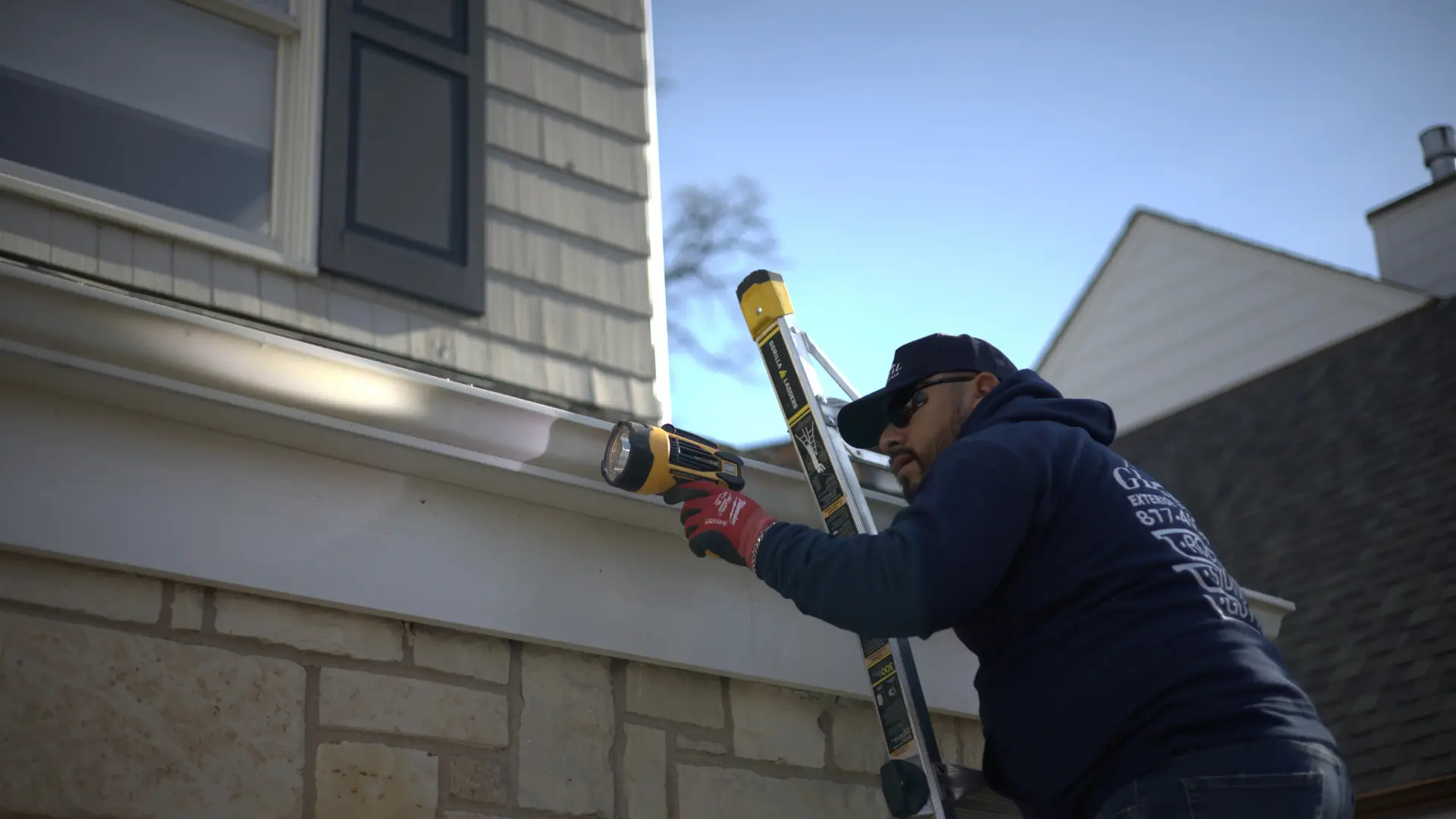
Good news first: most reputable roofing companies inspect storm damage for free. A paid independent inspection, if you want a neutral third party, typically runs $150 to $400.
Timing matters more than most people realize. Most insurance policies give you six months to one year to file a hail claim, and the clock starts on the storm date. Wait too long and the damage becomes "pre-existing" or gets tangled up with a newer storm. Get eyes on your roof within two to four weeks of any hail event with stones larger than a quarter.
One caution: after big storms, out-of-state crews flood damaged neighborhoods knocking on doors. Some are fine. Many are not. Work with a local, licensed, insured roofing company with a real address and local references. You want someone who will still be in town when the warranty matters.
Repair or Roof Replacement: What the Numbers Look Like
If damage is limited to one slope or a handful of shingles, a repair usually runs $400 to $1,800 depending on pitch, materials, and access. Widespread hail bruising across multiple slopes almost always means full roof replacement, because you can't spot-fix hundreds of fractured shingles.
A typical asphalt roof replacement on a single-family home runs $9,000 to $22,000 in most markets, with premium materials pushing higher. The actual tear-off and install usually takes one to three days. The full process, from claim approval to materials on site, is more like three to eight weeks. Shingle color availability and supplier backlogs after a regional storm can stretch that further (everyone's ordering the same materials at the same time, who would've thought?).
The Permit and Code Surprises Nobody Mentions
Here's something that catches homeowners off guard. Roof replacement almost always requires a building permit, and many municipalities have updated codes since your last roof went on. That can mean required upgrades like ice and water shield, drip edge, or improved ventilation that weren't on the original roof.
The good part: many policies include ordinance and law coverage that pays for code-required upgrades. Ask about it before work starts, not after. A roofing company that pulls its own permits and knows your local inspector's habits will save you weeks of back and forth.
Your Next Steps After a Hailstorm
Keep it simple and do these in order:
- Note the storm date and take photos of hail on the ground next to a coin or tape measure.
- Walk the property and photograph dents, granule piles, and debris.
- Schedule a free inspection with a licensed local roofing company within two to four weeks.
- If damage is confirmed, file your insurance claim with the inspection photos attached.
- Be present for the adjuster meeting, ideally with your contractor there too.
- Don't sign anything door-to-door before your inspection.
The Bottom Line
Hail damage announces itself through dented metal, bruised shingles, and granules in your gutters, but the worst damage often hides below the surface. Check the ground-level clues yourself, then let a professional confirm what the storm actually did. Move within a month, document everything, and choose a local roofing company you can verify. Whether you end up with a small repair or a full roof replacement, acting early is the difference between an insurance-covered fix and an out-of-pocket problem later.