.webp)
What Is Roofing Underlayment and Why Does It Matter?

Aaron Venegaz is the President and founder of Global Exterior Experts and has been in the construction / roofing industry for over 15+ years. He started the company back in 2010 and done everything from scheduling appointments to putting down roofs. He's also done everything from commercial roofing to residential roofing and has also worked with almost every single roofing material multiple times over the past 15 years.
Yes, you can replace a roof in the winter. A roof replacement can be done safely and correctly in cold weather when the crew follows cold-weather installation methods, uses the right materials, and watches the forecast. Winter jobs take a little more planning, but a leaking roof in January cannot wait until April. Here's what you need to know before you schedule one.
The Short Answer, Explained
Winter roofing works because installation standards account for cold weather. Shingle manufacturers publish cold-weather guidelines, and a roofing company that follows them can deliver the same quality roof in February as in June.
The real question isn't "can it be done?" It's "will it be done properly?" That comes down to three things: temperature management, material handling, and crew experience. We'll walk through each one.
When Winter Replacement Makes Sense
Some roofs simply cannot wait for spring. Here's when we tell property owners to move forward now:
- Active leaks that are damaging insulation, drywall, or framing
- Storm damage with an open insurance claim on a deadline
- Sagging decking or visible structural stress
- A home sale or refinance that requires a completed roof
- Ice dams caused by a failing roof system, not just poor ventilation
Here's the thing: water damage compounds. A leak that would cost a few hundred dollars to trace in November can turn into a mold and insulation problem by March. Waiting has a price too.
How Cold Is Too Cold?
Asphalt shingles install best at 40 to 85 degrees. Below 40, shingles get stiff and the factory adhesive strips don't self-seal on their own. That doesn't stop the job. It changes the method.
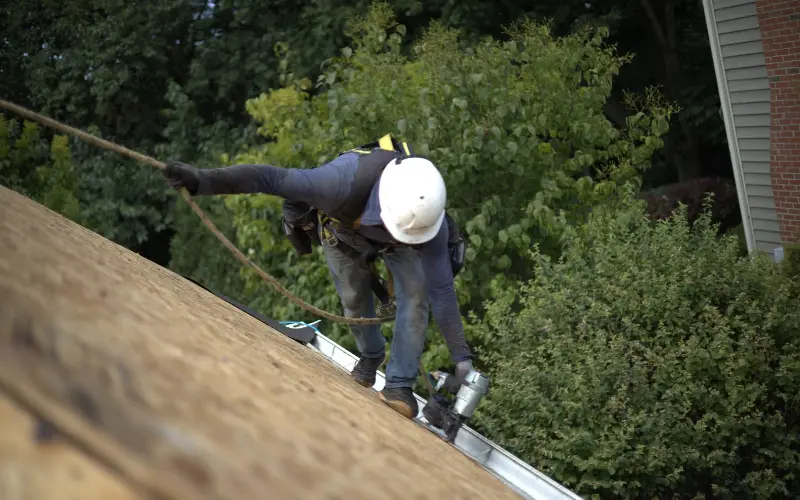
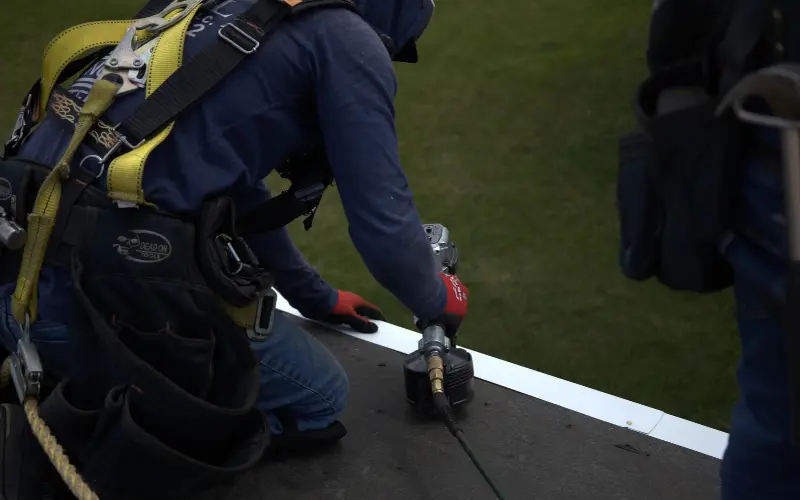
On cold-weather installs, we hand-seal shingles with roofing cement, store materials in heated space until they go up, and nail by hand or dial in gun pressure carefully so brittle shingles don't crack. Metal roofing, for what it's worth, doesn't care much about the cold at all (one reason it's popular for winter projects).
The true stop signs are active snowfall, ice on the deck, and high winds. A good crew works around those days, not through them.
What a Winter Roof Replacement Costs
Of course, none of this comes free. Expect a full asphalt roof replacement to run roughly $9,000 to $25,000 for a typical single-family home, depending on size, pitch, tear-off layers, and material grade. Metal systems generally land between $18,000 and $45,000.
Winter pricing is often the same or slightly better than peak season. Demand drops, schedules open up, and some crews offer off-season pricing to stay busy. You may also lock in materials before spring price increases, which have been a regular event lately (who would've thought shingles would track like commodities?).
How Long the Job Takes
Most single-family replacements take 1 to 3 days in good conditions. In winter, plan for 2 to 5 working days spread across a slightly wider window, because short daylight hours and weather delays are real.
A few timeline realities worth knowing:
- Crews start later and stop earlier because frost needs to burn off and light fades by late afternoon
- A forecast shift can push the tear-off day, since no one opens a roof ahead of a storm
- Permit review doesn't speed up in winter; some municipalities take 1 to 2 weeks, so build that in
The Permit and Code Side Nobody Warns You About
Alright, let's talk about paperwork. Every legitimate roof replacement needs a permit, winter or not. And winter jobs sometimes trip code items that surprise homeowners.
Ice and water shield is the big one. Most northern building codes require an ice barrier membrane extending from the eave to at least 24 inches inside the exterior wall line. If your last roof went on decades ago, this may be new to you, and it adds material cost. Inspectors also look hard at ventilation in winter because they see the ice dam complaints firsthand. Budget a little flexibility for code-driven additions.
Material Delays Are the Hidden Winter Risk
Supply houses run leaner inventories in the off-season. Specialty colors, designer shingles, and certain metal panel profiles can carry 2 to 6 week lead times in January that wouldn't exist in July.
The fix is simple: pick your materials early and have them ordered before the crew is scheduled. If you're flexible on color, standard stock ships fast year-round. If you want something specific, order first, schedule second.
What Winter Installation Looks Like Day to Day
A cold-weather job runs differently, and you'll notice it. Materials arrive staged and covered, sometimes stored warm and brought up in batches. The crew clears frost or light snow off the deck before tear-off. Sections get opened, dried in, and sealed the same day, never left exposed overnight.
Hand-sealing takes extra labor, so a careful winter crew may look slower. That's a good sign, not a bad one. Speed in freezing temps usually means corners are being cut.
Questions to Ask Before You Sign
A quick gut check separates a real cold-weather roofing company from a crew winging it. Ask these:
- What temperature threshold stops your installs, and why?
- Do you hand-seal shingles below 40 degrees?
- Where are materials stored before installation?
- How do you protect the deck if weather moves in mid-job?
- Is the ice and water shield spec written into my contract?
- Who pulls the permit, and is inspection included?
Clear, specific answers mean the crew has done this before. Vague answers mean keep calling.
Planning Your Winter Replacement: Next Steps
Ready to move? Here's the practical order of operations:
- Get an inspection now to confirm whether the roof can wait or can't.
- Choose materials early and confirm lead times in writing.
- Ask for the permit timeline in your municipality before setting a start date.
- Build a weather buffer into your schedule, roughly a week of flex.
- Clear driveway and attic access, since staging matters more when daylight is short.
One more practical note: keep gutters and valleys clear before the job starts. Frozen debris slows tear-off and hides deck damage that should be found and fixed while the roof is open.
The Bottom Line
A winter roof replacement is safe, code-compliant, and sometimes the smartest financial move you can make, especially with an active leak or an open insurance claim. The trade-offs are manageable: slightly longer timelines, hand-sealing labor, and forecast flexibility. The advantages are real: better scheduling availability, competitive off-season pricing, and no months of water damage while you wait for spring.
What should you consider next? Start with an honest assessment of urgency. If your roof is failing, get inspections and quotes now while calendars are open. If it can genuinely wait, use the winter to compare bids, verify licensing and insurance, and lock a spring date before the rush. Either way, the property owners who plan in winter come out ahead of the ones who panic in April.