.webp)
What Is Drip Edge and Do I Need It?

Aaron Venegaz is the President and founder of Global Exterior Experts and has been in the construction / roofing industry for over 15+ years. He started the company back in 2010 and done everything from scheduling appointments to putting down roofs. He's also done everything from commercial roofing to residential roofing and has also worked with almost every single roofing material multiple times over the past 15 years.
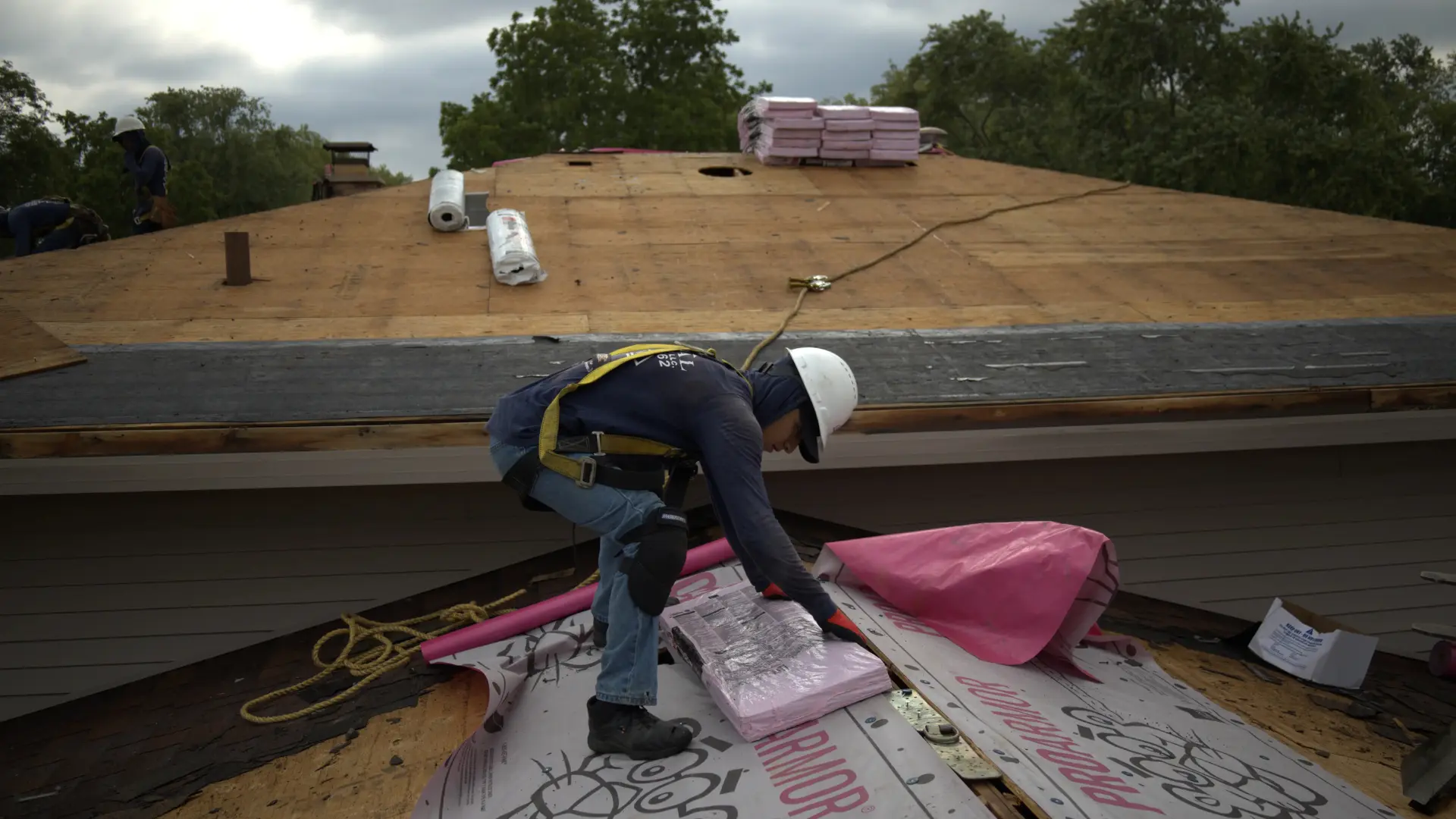
Replacing half a roof typically costs $4,500 to $12,000 for asphalt shingles on an average home. That works out to roughly 55 to 70 percent of a full roof replacement, not 50 percent. Fixed costs like permits, dumpsters, setup, and crew minimums do not shrink just because the job did. Most half-roof projects wrap up in one to two days.
That is the short answer. The longer answer depends on your roof's size, pitch, material, and a few things you cannot see from the driveway. Let's break it all down.
Half-Roof Replacement Cost at a Glance
Here is what you can realistically expect to pay for replacing one side or section of an asphalt shingle roof:
- Small home (roof half of 1,000 to 1,500 sq. ft. total): $3,500 to $7,000
- Average home (roof half of 2,000 to 2,500 sq. ft. total): $4,500 to $12,000
- Large home (roof half of 3,000+ sq. ft. total): $8,000 to $16,000
Premium materials push those numbers up fast. Metal, cedar, and slate can double or triple the cost per square foot. More on that below.
Why Half a Roof Doesn't Cost Half the Price
Here's the thing most property owners don't expect: a half-roof job carries almost all the same overhead as a full one.
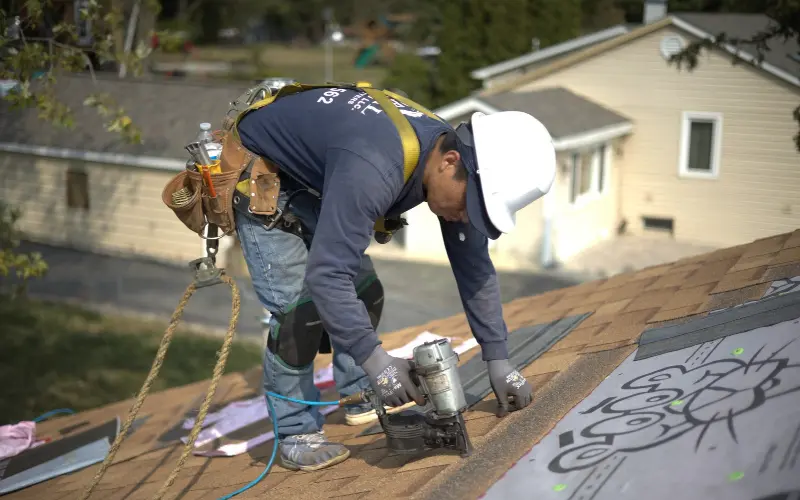
The permit costs the same. The dumpster costs the same. The crew still has to load materials, set up safety equipment, protect your landscaping, and tear off the old shingles. A roofing company prices those fixed costs into every job, big or small.
So while you save real money on materials and labor hours, you are not splitting the bill down the middle. Plan for 55 to 70 percent of a full roof replacement price, and you will land close to reality.
The Factors That Move Your Price
Alright, let's talk about what actually drives the number on your estimate.
- Roof pitch and height. Steep slopes and second stories mean slower work, more safety gear, and more labor. Expect an extra $1,000 to $3,000 on steep or tall roofs.
- Tear-off. Removing old shingles runs $1 to $5 per square foot. If there are two layers up there, tear-off costs climb.
- Decking condition. Rotted or soft plywood gets replaced at $70 to $150 per sheet. You will not know how many sheets until the old roof comes off.
- Material choice. Asphalt is the budget option. Metal, cedar, and slate are premium.
- Access. Tight lots, fences, and landscaping that needs protection all add labor time.
None of this is padding. These are the real line items that separate a $5,000 job from a $10,000 one.
Cost by Roofing Material
Material choice matters more than almost anything else. Here are realistic installed ranges per square foot for a partial replacement:
- Asphalt shingles: $4 to $8
- Metal panels: $8 to $16
- Cedar shake: $12 to $18
- Slate: $15 to $30
Quick math example: half of a 2,400 square foot roof is 1,200 square feet. At $5.50 per square foot for asphalt, that section costs around $6,600. The same section in standing seam metal could run $14,000 or more.
When Replacing Half a Roof Makes Sense
A half-roof replacement is the right call in a few specific situations:
- One slope took storm, hail, or tree damage and the rest of the roof is healthy
- The roof is under 10 to 12 years old with plenty of life left
- Insurance approved payment for one section only
- Sun exposure wore out the south-facing side faster than the rest
In these cases, replacing just the damaged section protects the home without paying to redo shingles that still have a decade of service in them. That is smart money.
When It's a Bad Idea
Of course, none of this comes free of trade-offs. There are times when a partial job costs you more in the long run.
If your roof is 15 to 20 years old, the "good" half is already on borrowed time. You will pay setup, permit, and dumpster costs twice within a few years instead of once. Two smaller jobs almost always cost more than one full Roof Replacement.
There is also the matching problem. Shingle colors fade, and manufacturers discontinue lines constantly. A brand-new section next to 15-year-old shingles rarely blends, and the seam where old meets new is a common future leak point. Mismatched roofing can also raise questions when you sell the home (appraisers notice, who would've thought?).
And check your paperwork: warranties on partial work are usually narrower than full-roof warranties.
Permits, Codes, and the Surprises Nobody Budgets For
This is where half-roof projects go sideways if nobody plans ahead.
Building codes in most areas limit roofs to two layers of shingles. If your existing roof already has two layers, the whole section must be torn off, no overlays allowed. That adds tear-off and disposal costs some estimates conveniently skip.
Cold-climate codes often require ice and water shield along the eaves. If your original roof predates that rule, the new section must be brought up to current code even though the old section wasn't. Same goes for drip edge, underlayment type, and ventilation requirements in many jurisdictions.
Permits themselves typically run $100 to $500 depending on your municipality. Skipping the permit to save a few hundred dollars can stall a future home sale, so don't.
One more reality check: material delays happen. Specialty shingles and matching colors can take two to six weeks to arrive, so order before tear-off, not after.
How Long Does It Take?
Faster than you would think:
- Simple half-roof, asphalt, one story: 1 day
- Steep pitch or decking repairs: 2 to 3 days
- Metal or specialty materials: 3 to 5 days
Weather is the wild card. A rain delay pushes everything, because no responsible crew opens up a roof with storms in the forecast.
What About Insurance?
If storm or hail damage triggered this project, file the claim before signing anything. The adjuster will decide whether the damage covers one slope or the whole roof.
Here is a detail worth knowing: some states have matching rules that require insurers to pay for a full replacement when new materials cannot reasonably match the old ones. Ask about it, get the adjuster's findings in writing, and have your own inspection report ready. Document everything with photos before any repairs begin.
How to Plan Your Project: Next Steps
Ready to move? Work through this list:
- Get an inspection of the entire roof, not just the damaged section
- Ask for the age and remaining life of the undamaged side in writing
- Collect two or three itemized quotes from a licensed, insured Roofing Company
- Compare tear-off, decking allowances, and code items line by line
- Confirm permit costs and who pulls the permit
- Verify the warranty terms for partial work before you sign
An itemized quote is non-negotiable. A single lump-sum number hides the decking allowances and code upgrades that cause surprise change orders later.
The Bottom Line
Expect $4,500 to $12,000 to replace half of an average asphalt roof, more for premium materials, and about one to two days of work. Partial replacement makes sense on younger roofs with isolated damage. On older roofs, a full roof replacement usually wins on total cost, appearance, and warranty coverage.
Your next move: schedule a full inspection, get itemized quotes, and make the call based on the age of what's staying, not just the price of what's going.