.webp)
What Is Drip Edge and Do I Need It?

Aaron Venegaz is the President and founder of Global Exterior Experts and has been in the construction / roofing industry for over 15+ years. He started the company back in 2010 and done everything from scheduling appointments to putting down roofs. He's also done everything from commercial roofing to residential roofing and has also worked with almost every single roofing material multiple times over the past 15 years.
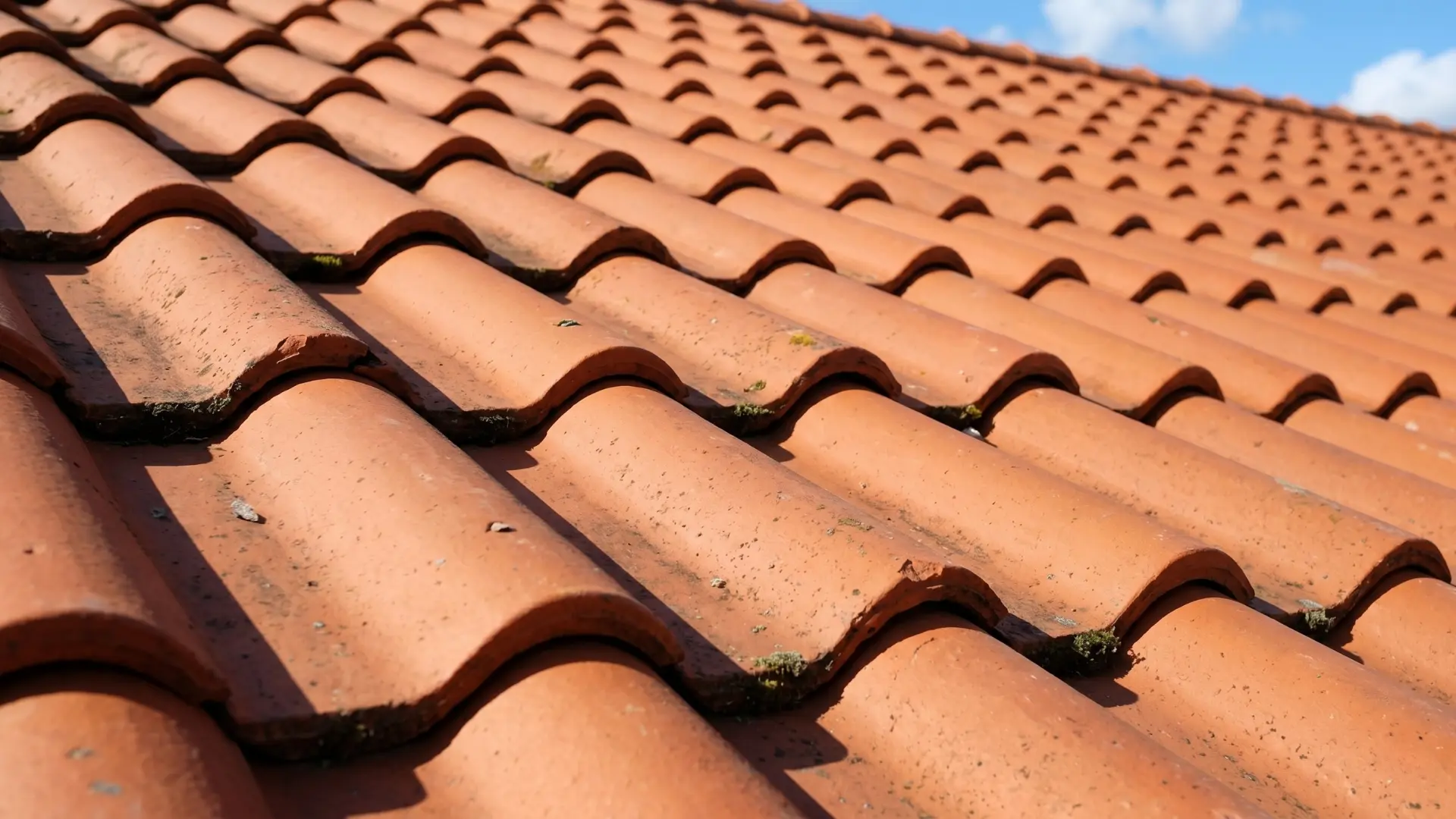
A clay tile roof is a roof with tiles installed on it made from natural clay that has been molded, dried, and fired in a kiln until hard. The result is a heavy but fireproof surface that can last 50 to 100 years if maintained right. Are they worth it? For the right home, in the right area, and the right budget absolutely. They tend to cost more up front but in the long run are the usually the cheapest because they outlast almost every other roofing material on the market.
Let's break down what you're actually getting, what it costs, and how to decide if clay tile is the right call for your property.
What Makes Clay Tile Different
Clay tile isn't a new idea. Builders have used it for thousands of years and the basic recipe hasn't changed much: shape the clay, bake it, lock the tiles onto the roof.
What sets it apart from asphalt shingles or metal is the durability of the material. A clay tile doesn't rot, doesn't burn, and doesn't break down in the sun. It just sits there and does its job for decades though sometime requiring a cleaning.
You'll usually see clay tile in two main profiles:
- Spanish or barrel style: The classic curved "S" shape you see on Mediterranean and Southwestern homes.
- Flat or interlocking style: A cleaner, more modern look that works on a wider range of architecture.
The color comes from the clay itself too, it's not some coating that fades over time or needs a warranty to ensure it won't look ugly in a few years. (We'll come back to the coloring in a moment.)
The Real Benefits
Here's the thing about clay tile: the upsides are real and that's why people pay a premium price for it.
- Lifespan = 50 to 100 years
- Fire resistance = Fireproof
- Maintenance = Occasional inspections and cleanings depending on what's growing on you roof.
- Energy savings =The tiles have an air gap below them that helps keep attics cooler in summer.
- Curb appeal = A tile roof looks high-end and could boost resale value.
- Pest and rot proof = Insects and moisture won't be much of a problem.
Color baked into the tile means it won't fade like a painted surface and a clay roof can look nearly the same in year 40 as it did in year one (If you clean it properly).
The Honest Downsides
Of course, none of this comes free. Clay tile has real tradeoffs and if you don't understand them, you'll be in for a real headache.
It's heavy. Clay tile can weigh two to three times more than asphalt shingles so most homes need structural changes made to bear the weight of them.
It's brittle. Individual tiles can crack if someone walks on them wrong or if a heavy branch falls on the roof.
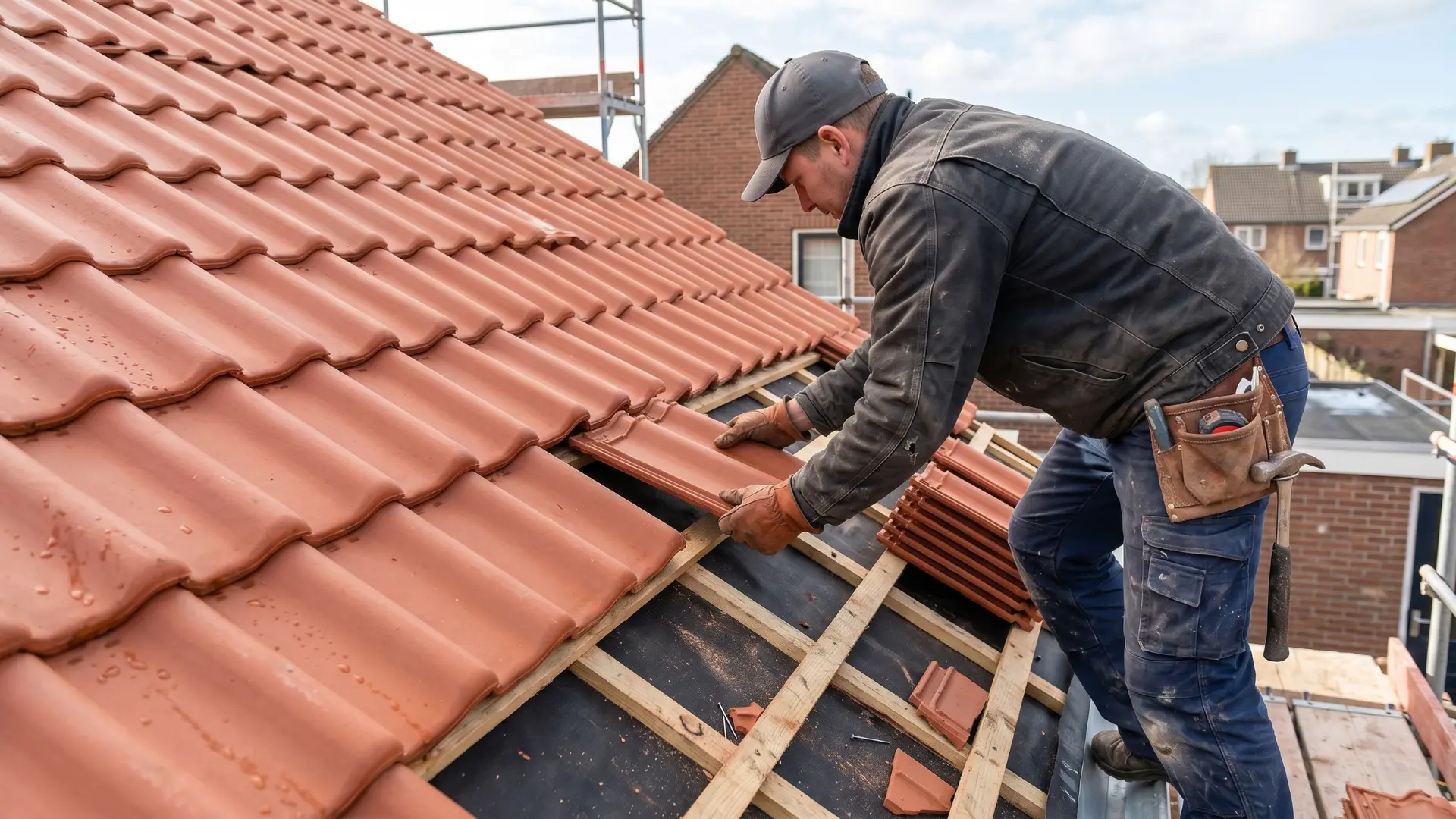
It's expensive. The material costs more and the labor takes longer since a true professional clay tile installation needs some skill. This is not just a weekend project for a general handyman.
Repairs need matching. If a tile from 30 years ago cracks you need to find an exact color and profile match which can be very tricky. Even when it comes to insurance claims the tiles tend to get discontinued and warrant a full replacement every time there is a claim.
How much does a clay tile roof roughly cost?
Alright, let's talk about money, because this is where most people make their decision.
For an average single-family home, that often lands somewhere between $20,000 and $60,000 +, of course depending on the size, pitch, and complexity of your home's roof.
A few things the affect the price are:
- Roof size and steepness: Larger and steeper roofs means more material, more saftey checks, and more work to be done.
- Structural reinforcement: If your framing needs an upgrade up to carry the weight;expect to add several thousand dollars just to ensure your home won't collapse when it all gets installed.
- Tear-off: Removing and hauling away the old roof adds to the total too.
Yes, that's a lot more than a basic asphalt roof but it ends up actually being cheaper since if you spread that cost over the next 60 or so years and the math starts to look very different since you'll replace your asphalt shingle roof numerous times before you even replace the clay tile one.
How long does a clay tile roof install take?
A clay tile installation isn't fast and you shouldn't expect nor trust anyone who says it will be done quickly.
For most homes, plan on one to three weeks from start to finish. Larger or more complex roofs take longer of course due to their sheer size. The timeline really starts to stretche when structural work is needed first since the framing has to be ready before any tile goes up which going inside of the walls isn't easy, nor cheap, nor fast.
Weather plays a role too. Tile work slows down or stops during rain, so build some flexibility into your schedule for this too.
Permits, Code, and Other Surprises
This is the part nobody warns you about until you're in it.
A tile roof almost always requires a permit, and the inspection process can be stricter than it is for shingles. Because of the weight, building departments often want proof that your structure can handle the load. (More than one project has stalled while an engineer signs off on the framing.)
A few things that catch property owners off guard:
- Underlayment requirements: The waterproof layer under the tile has its own code rules, and it's the part that actually keeps water out.
- Material delays: Specialty tiles, especially custom colors, can take weeks to arrive.
- Older homes: Houses built for lighter roofs may need reinforcement that wasn't in the original budget.
None of this should scare you off. It just means clay tile rewards planning and punishes rushing.
Is a Clay Tile Roof Worth It for Your Home?
Clay tile can 100 percent be worth it for your home if:
- You plan to stay in the home long term and want a roof you'll never replace.
- You live in a hot or fire-prone climate where the tile's strengths shine.
- Your home's style suits the look of a tile roof.
- Your home can actually carry the weight or you're willing to call out an engineer to reinforce it.
It's probably not worth it if:
- You're planning to sell soon and won't recoup the cost.
- Your budget is tight and a 40 year metal or premium shingle roof would serve you fine.
- Your roof has a very steep or complicated shape that drives labor costs through the roof.
How to prepare for a clay tile project
A good outcome starts before the first tile is ordered. Here's how to set yourself up.
- Get an honest assessment of whether your home can carry the weight.
- Compare line items on quotes, not just bottom-line numbers, so you're actually comparing apples to apples.
- Ask about the underlayment they'll use since this is the real waterproofing and lifespan indicator.
- Order a few extra tiles in your exact color and profile for future repairs.
- Expect permitting, inspections, and possible material delays so give yourself a bit of a time cushion
A reputable roofing company will walk you through all of this without pressure and put the details in writing.
The Bottom Line
A clay tile roof is one of the longest-lasting, toughest, and best-looking options you can put on a home. It costs more up front and weighs more than other materials so it demands a solid structure and careful planning but for owners who plan to stay put, it can be the last roof you ever buy.
If you're weighing a roof replacement and clay tile is on your list, start with a structural check and a clear itemized quote. Compare it against a long-life alternative like standing seam metal so you can see the real cost-per-year side by side. Get the planning right, and a clay tile roof pays you back in decades of quiet, dependable protection.