.webp)
What Is Drip Edge and Do I Need It?

Aaron Venegaz is the President and founder of Global Exterior Experts and has been in the construction / roofing industry for over 15+ years. He started the company back in 2010 and done everything from scheduling appointments to putting down roofs. He's also done everything from commercial roofing to residential roofing and has also worked with almost every single roofing material multiple times over the past 15 years.
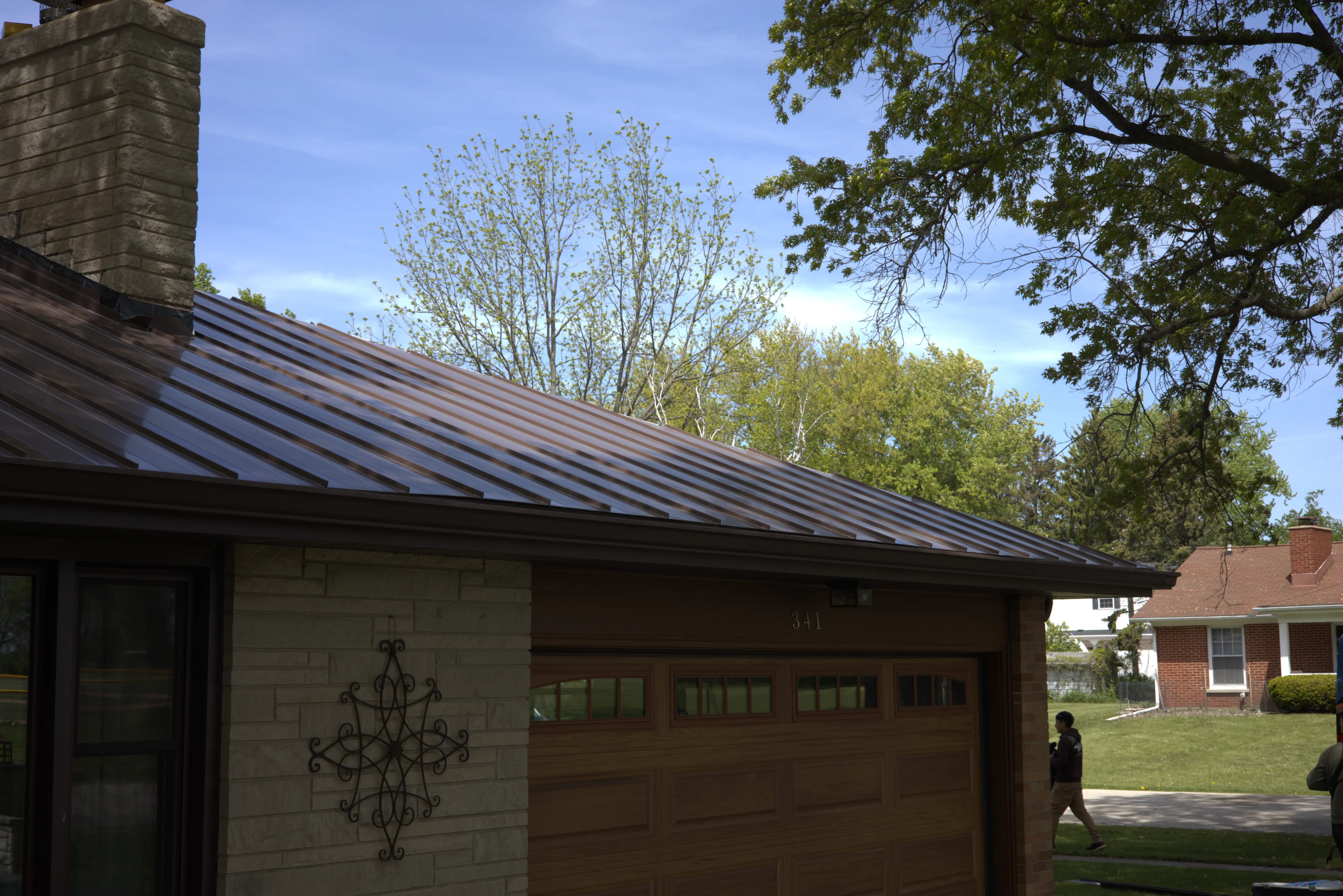
A metal roof is a roofing system usually made from steel, aluminum, copper, zinc, or metal shingles designed to shed water, resist the weather elements, and last longer than asphalt shingles. Metal roofs cost more upfront but in the long run they can be worth it for property owners who want long roof life and don't want to replace a shingle roof 3 times, while having strong storm performance, and better energy efficiency.
What Is a Metal Roof? Are They Worth It?
A metal roof is a roofing system made from metal panels, shingles, or tiles made out of steel, aluminum, copper, or zinc. It is designed to protect the home from rain, wind, snow, heat, and fire while lasting longer than many standard roofing materials.
So, is a metal roof worth it? For many homes, the answer is yes!! A metal roof can cost more upfront but if you plan to stay in the home long term, want lower maintenance, or live in an area with heavy rain, snow, high winds, wildfire risk, or strong sun.
It's definitely not the right fit for every home. Things like cost, your roof shape, the neighborhood rules, noise concerns, and installation quality all play a role in finding out if this is the best fit for you.
1. What Is a Metal Roof?
Here’s the simple version: a metal roof is a roof covering made from formed metal pieces that lock, overlap, or fasten together to keep water out and protect you underneeth it.
Common metal roofing materials include:
• Steel
• Aluminum
• Copper
• Zinc
• Tin-coated metal
• Galvalume or galvanized steel
Most residential metal roofs use steel or aluminum because they balance strength, cost, and availability best. While on the other hand copper and zinc are premium materials but they'll cost so much more to install.
Metal roofs come in different styles. Some look modern and clean. Others are shaped to look like shingles, slate, tile, or cedar shakes. That means metal roofing is not just one look anymore. It can fit a farmhouse, a lake house, a modern build, or a traditional home.
2. Main Types of Metal Roofing
Alright, let’s talk about the options you will usually see during a roof replacement.
Standing Seam Metal Roofing
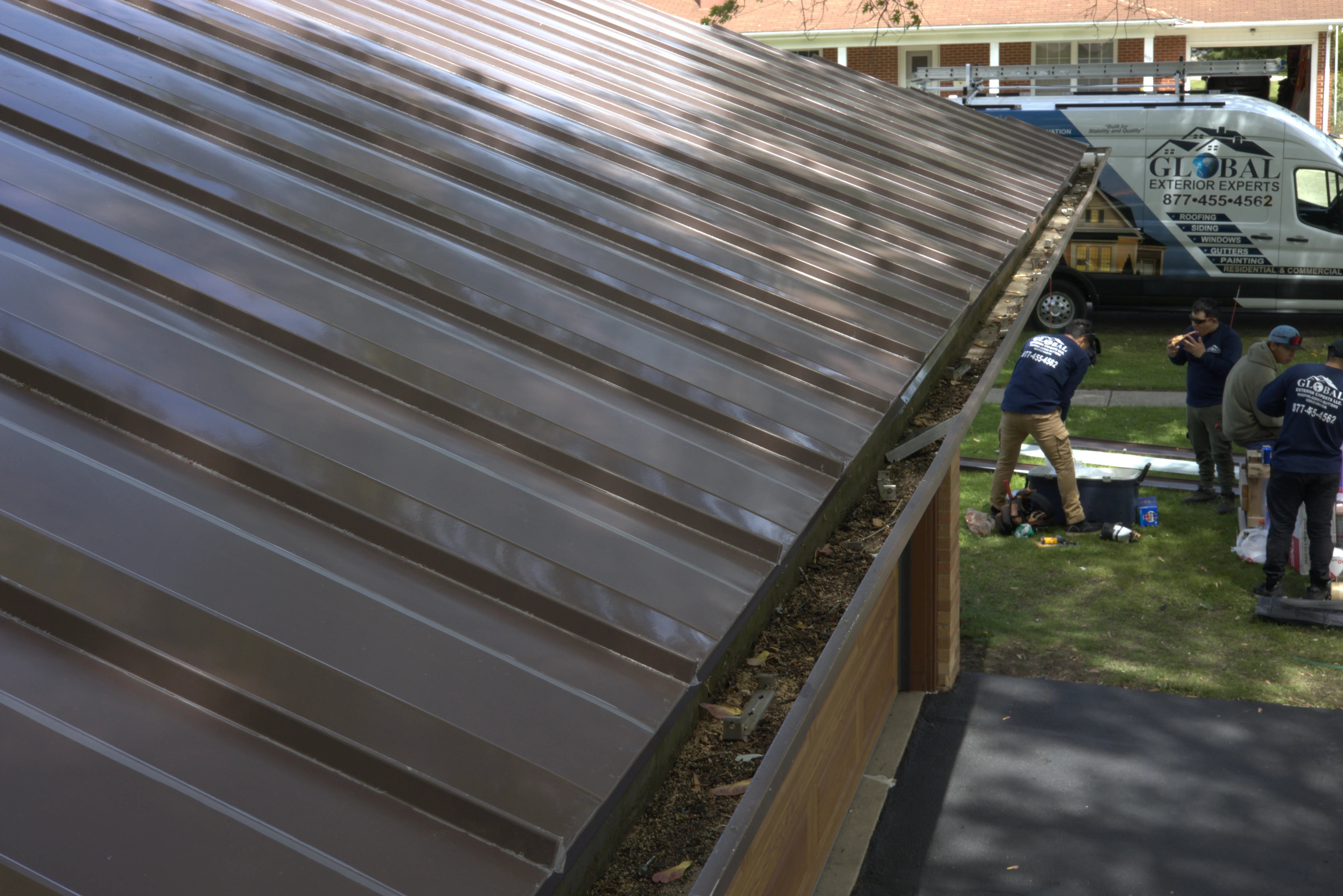
Standing seam is the clean, vertical-panel metal roof most people picture first. The seams are raised above the flat part of the panel, which helps move water off the roof.
This is one of the better metal roof systems when installed correctly because many fasteners are hidden. Hidden fasteners are less exposed to sun, rain, and temperature changes.
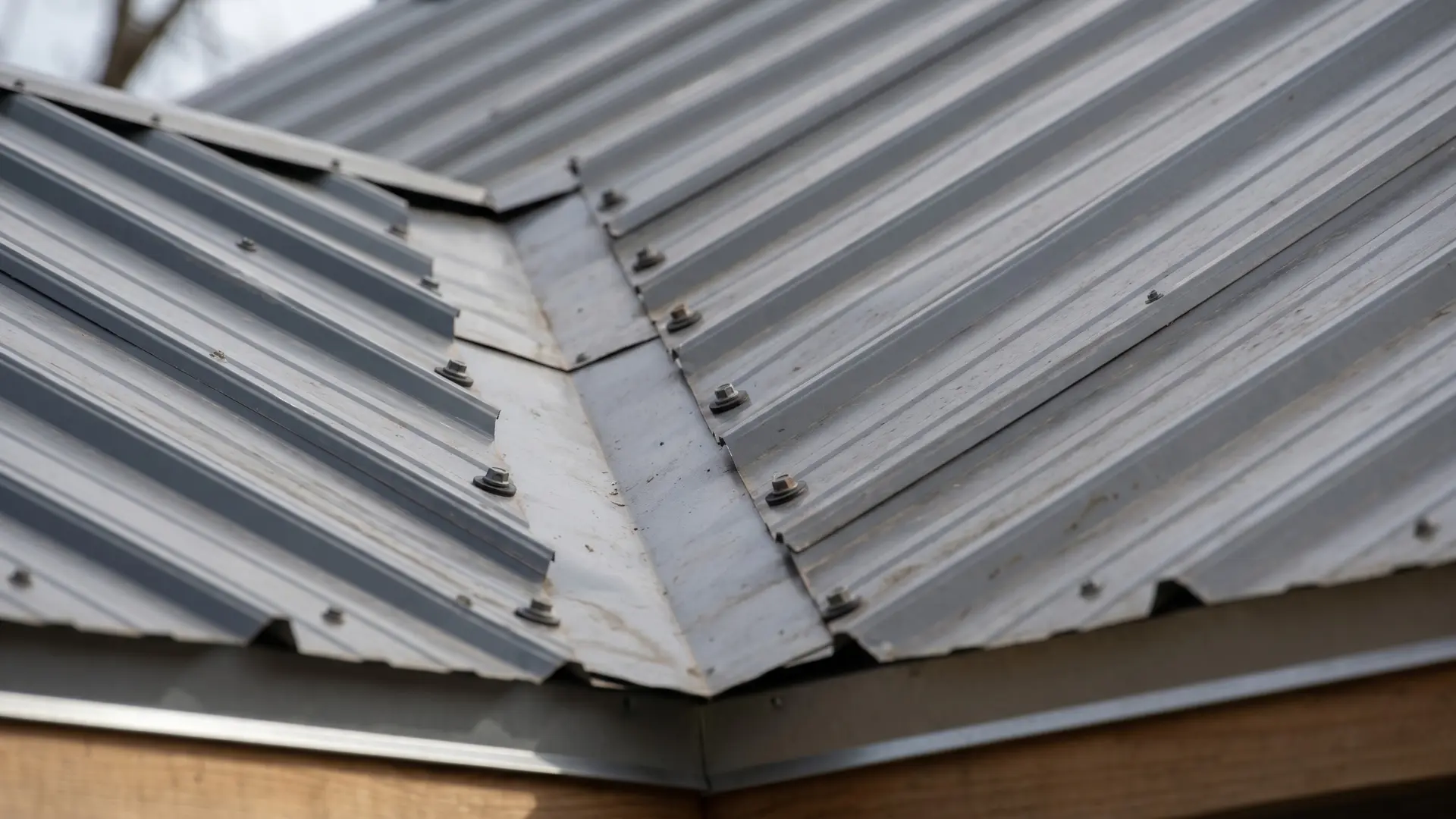
Exposed Fastener Metal Roofing
This type uses screws that go through the face of the panel. It is common on barns, shops, porches, and some homes.
It tends to costs less than standing seam but the screws and washers need to be checked over time since the washers are the main cause of leakage on roofs like these. The washers are rubber so due to heat & age they tend to see the end of their life span way before the metal does.
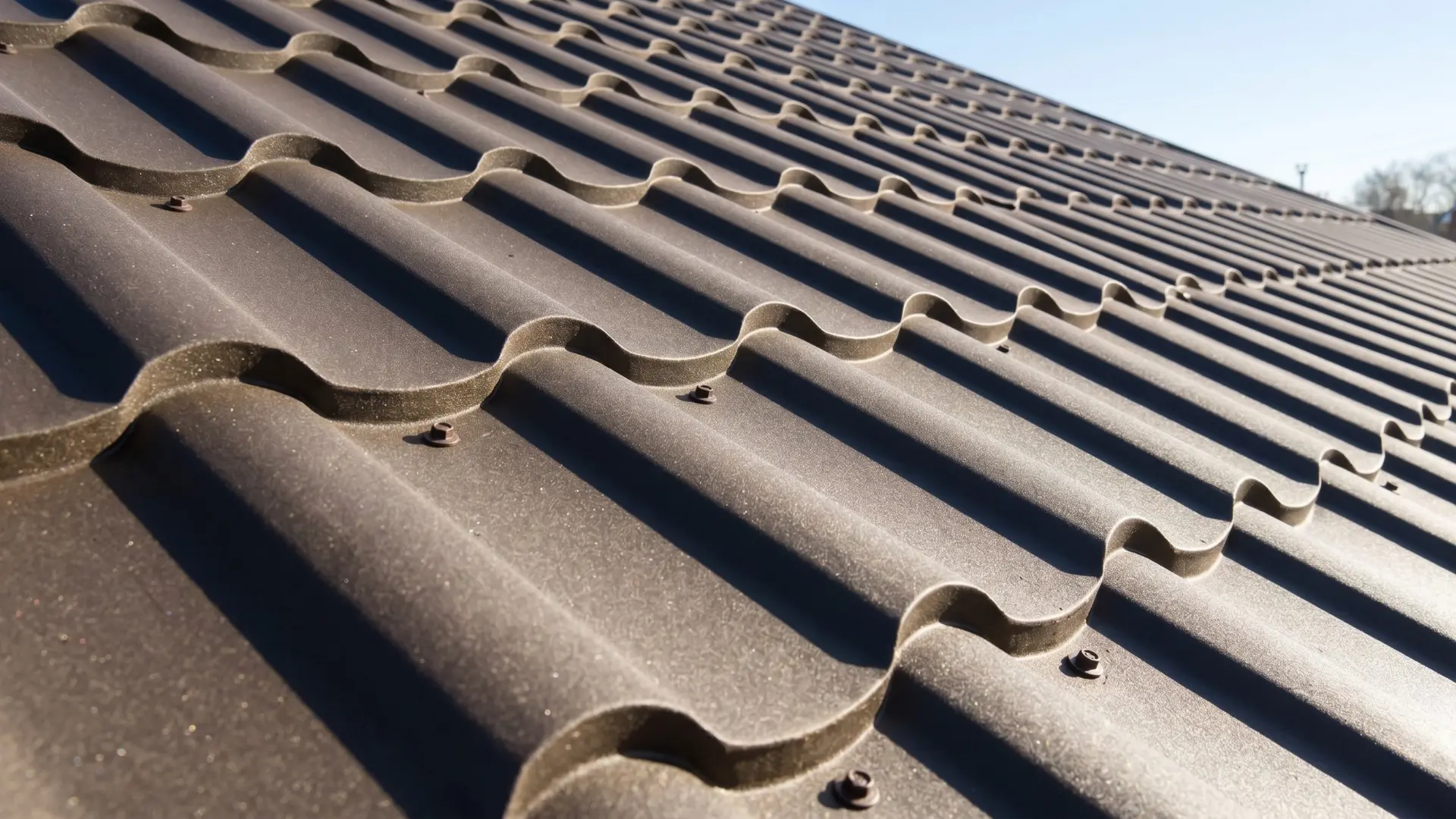
Metal Shingles or Metal Shake Roofing
Metal shingles are made to look more like standard roofing materials. Some are stamped to look like slate, wood shake, or tile. Some are even hybrid looking like the above image.
This can be a good choice when you want the strength of metal without the bold standing seam look. This is perfect for those HOAs where they're used to tile but you want to upgrade to metal without sticking out.
3. How Much Does a Metal Roof Cost?
Of course, none of this comes free. Metal roofing costs more than asphalt shingles in most cases.
Broad installed cost ranges:
• Exposed fastener metal roof: about $7 to $12 per square foot
• Standing seam metal roof: about $10 to $18 per square foot for many steel systems
• Premium standing seam, copper, or specialty metal: $20+ per square foot in some markets
Recent 2026 pricing guides show standing seam metal commonly landing around $10 to $18 per square foot installed for steel, with broader ranges depending on material, roof complexity, labor, trim, flashing, permits, and tear-off needs.
For a simple 2,000-square-foot roof surface, that could mean:
• Lower-cost metal: roughly $18,000 to $26,000
• Standing seam: roughly $20,000 to $36,000
• Premium metal: $40,000 or more
These are broad ranges. Steep pitch, multiple valleys, skylights, chimneys, bad decking, and difficult access can push the price higher.
4. How Long Does a Metal Roof Last?
Here’s the thing: the main reason people look at metal is roof life since this is a serious differntiator.
A properly installed metal roof can often last 40 to 70 years, depending on the material, coating, climate, and maintenance. Asphalt shingles on the other hand often have a shorter real-world lifespan, especially in harsh weather areas.
That does not mean every metal roof is a “forever roof.” Things like fasteners, sealants, flashing, paint finish, and installation details still matter and can heavily effect the lifespan.
The roof system is only as good as the details around:
• Chimneys
• Skylights
• Valleys
• Ridge caps
• Wall transitions
• Pipe boots
• Gutters and drip edge
A great panel with poor flashing is still a leak waiting to happen and you'll be shocked how many roofing companies overlook this so ensure you get a second look.
5. What Are The Pros Of A Metal Roof?
Metal roofing has clear advantages when the home and budget fit.
Key benefits include:
• Long lifespan
• Strong wind performance
• Best fire resistance
• Lowest maintenance
• Heat reflective coatings available
• Many colors and styles
• Strong curb appeal on the right home
Energy efficiency is another reason metal gets attention. A good metal roof can help reduce energy costs compared to other roofing products. Performance does vary depending on roof color, coating, and climate. Lighter and coated metal roofs can be considered "Cool Roofs" which are known to reflect the sun significantly better.
That said, the attic still matters. If the home has poor ventilation or weak insulation, a new roof alone will not fix every comfort issue.
6. What Are The Cons Of A Metal Roof?
Now for the part many sales pages gloss over.
Metal roofs have downsides:
• Higher upfront cost
• Installation is more technical
• Some systems can dent easily
• Exposed fasteners need diligent maintenance
• Poor installation can cause oil canning, leaks, or plenty of noise
• Repairs need to be more specialized
Metal also expands and contracts as temperatures change, which is normal, but the system has to account for it. If the wrong fasteners, clips, spacing, or flashing details are used, that movement can turn into loose panels or leaks as soon as the first season hits.
That is one reason the cheapest bid is not always the best bid for a metal roof install.
7. Is a Metal Roof Noisy?
A metal roof can be noisy if it is installed over open framing, like on a barn or shed.
On a home it is usually installed over roof decking, underlayment, attic space, and insulation. That setup cuts down a lot of the sound, now rain may still sound different, but it should not feel like sitting inside a drum as most think it might.
If noise is a concern, ask about:
• Solid roof decking
• Synthetic underlayment
• Attic insulation
• Proper fastening
• Panel type
Small detail, big difference. Who would’ve thought roof noise could come down to the layers under the roof?
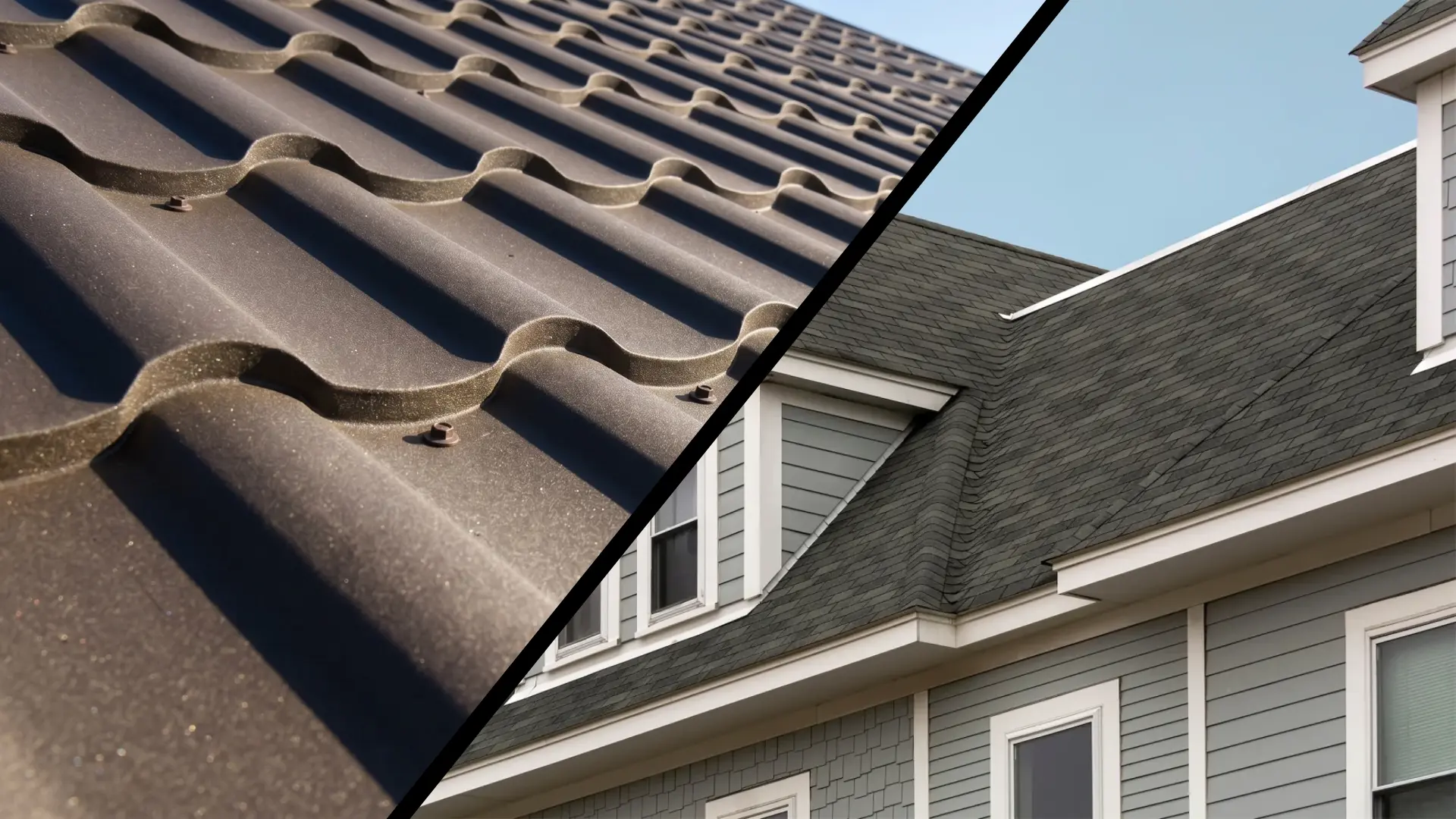
8. Metal Roof vs. Asphalt Shingles
This is the real comparison most property owners care about.
Asphalt shingles usually win on upfront price since it's familiar, widely available, and easier to repair. For many homes, asphalt is still a practical choice but for those looking for the real fix, metal is the way to go.
Metal usually wins on the fact it's lifespan is way longer, weather resistance is better, and it's long-term value improvement on a home. It can be a better fit if you want to avoid another roof replacement in 20 or 25 years.
Quick comparison:
• Upfront cost: asphalt usually costs less
• Lifespan: metal usually lasts longer
• Maintenance: metal often needs less, depending on system
• Repairs: asphalt is usually simpler
• Style: both offer many looks
• Storm performance: metal can perform very well when installed correctly
• Long-term value: metal may make more sense if you plan to stay
A good roofing company should not push one option blindly. The right choice depends on your roof, budget, neighborhood, and long-term plan.
9. Roof Replacement Timeline for Metal Roofing
A basic asphalt roof replacement may take 1 to 3 days on many average homes. Metal can take longer.
For a typical residential metal roof, plan for:
• 1 day for tear-off on many homes
• 1 to 2 days for deck repairs and prep
• 2 to 5+ days for metal installation
• Extra time for steep, cut-up, or large roofs
Material availability can also affect the schedule. Some metal panels are custom ordered to length. Specialty colors, trims, snow guards, and matching accessories can add lead time.
Permits can also slow things down. Some cities require deck inspections, wind-rated installation details, or extra documentation for certain roof assemblies. Not to mention in older homes, surprises may show up once the old roof comes off, such as soft decking, bad ventilation, or outdated flashing.
10. Is a Metal Roof Worth It?
A metal roof is worth it when the long-term benefits outweigh the higher starting cost.
When it would be worth it:
• You plan to stay in the home for many years
• Your area gets heavy storms, snow, or strong sun
• You want a longer-lasting roof system
• You care about lower maintenance
• You want a cleaner or more premium exterior look
• Your roof shape is a good fit for metal
• Your budget allows for proper installation
When it wouldn't be worth it:
• You need the lowest upfront price
• You plan to sell soon and cannot recover the cost
• Your HOA does not allow it
• Your roof has complex details that make metal too expensive
• You are comparing it against a solid architectural shingle option
The biggest mistake is treating metal roofing like a simple material upgrade. It is a full roof system. Panels, underlayment, flashing, ventilation, trim, fasteners, and workmanship all have to work together.
Planning Advice Before You Choose Metal
Before you commit, take these steps:
• Check your HOA rules before pricing the project
• Ask whether your roof needs tear-off or can be installed over an existing roof
• Confirm local code and permit requirements
• Compare standing seam, exposed fastener, and metal shingle options
• Ask what gauge metal is being used
• Review paint finish and coating warranties
• Ask how valleys, walls, chimneys, and skylights will be flashed
• Confirm whether old decking repairs are included or extra
• Ask about snow guards if you live in a snow area
• Get the full scope in writing
Do not just compare the final price. Compare the system and what it'll cost you in the long run.
One quote may include tear-off, synthetic underlayment, new flashing, drip edge, ridge ventilation, and cleanup. Another may leave half of that vague. That is where roof replacement estimates can look cheaper than they really are.
Final Summary: Should You Choose a Metal Roof?
A metal roof is a durable roof system made from steel, aluminum, copper, zinc, or other metal materials. It'll costs more than asphalt shingles but can last much longer and pay itself off in the savings, it can handle tough weather well, and reduce the number of roof replacement projects you face over time.
It is usually worth considering if you want long-term value, strong protection, and a clean finished look. It is not always the right fit if your budget is tight, HOA rules are strict, or the home will be sold soon since then it's just better picking asphalt.
Before making the call, compare your options with a roofing company that can explain the full system, not just the panel price. Look at the true cost, lifespan, roof shape, local code, ventilation, flashing, and your long-term plans. That is how you decide whether metal roofing is a smart upgrade or an expensive feature you do not really need.