.webp)
What Is a Roofing Square and How Is It Measured?

Aaron Venegaz is the President and founder of Global Exterior Experts and has been in the construction / roofing industry for over 15+ years. He started the company back in 2010 and done everything from scheduling appointments to putting down roofs. He's also done everything from commercial roofing to residential roofing and has also worked with almost every single roofing material multiple times over the past 15 years.
A metal roof usually comes with two kinds of warranties: a manufacturer's warranty on the materials and a workmanship warranty on the installation. The manufacturer side often splits into a paint (finish) warranty and a metal (substrate) warranty. On some higher-end systems, you can also add a weathertightness warranty that covers leaks. Put together, these protect the finish, the metal itself, and the quality of the work.
That is the short answer. Now let's break down what each one really covers, how long it lasts, and where the fine print can bite you.
The Four Warranties You Should Know
Most metal roofs are backed by some mix of these:
- Paint / finish warranty – covers fading, chalking, peeling, and cracking of the coating
- Substrate warranty – covers the base metal against rust-through and perforation
- Weathertightness warranty – guarantees the roof stays leak-free (mostly commercial and premium systems)
- Workmanship warranty – covers mistakes made during installation
Here's the thing: no single one of these covers your whole roof. They each protect a different piece. Miss one and you have a gap.
Paint and Finish Warranty
This covers the coating on top of the metal. It protects against fading, chalking (that chalky white film that shows up over the years), peeling, and cracking.
Finish warranties usually run 25 to 40 years, and some premium systems stretch further. The paint type matters a lot here:
- SMP coatings are the budget option. They fade and chalk faster.
- PVDF (Kynar 500) coatings cost more but hold color far longer.
One thing worth knowing: bright colors like reds and blues fade faster than earth tones. That is just how pigments react to UV. So a "40-year" finish on a bright color may still show visible change sooner than the same warranty on a beige or gray. The warranty does not promise zero fade. It promises fade will stay under a set limit (often measured in Hunter units, if you want to get technical).
The Substrate Warranty
The substrate is the raw metal under the paint. This warranty covers it against corrosion and rust-through, meaning the metal will not perforate under normal conditions.
Not every metal comes with one. Galvalume steel can carry coverage up to 45 years, while plain galvanized steel and some aluminum products offer little or none. Typical terms land in the 20 to 30 year range.
A quick but important point: the paint warranty and substrate warranty are two separate things. If your metal rusts through, that is a substrate claim, not a paint claim. People mix these up all the time and file the wrong one.
Weathertightness Warranty
Alright, let's talk about the one most homeowners never see. A weathertightness warranty guarantees the roof will not leak for a set term, usually around 20 years.
These are common on commercial and high-end architectural projects, and rare on standard residential jobs. They almost always require:
- A manufacturer-certified installer
- Approved panel details and flashings
- Regular inspections during the warranty term
The strongest version is called an NDL (No Dollar Limit) warranty, which means there is no cap on what the manufacturer will pay to fix a covered leak. That protection is not free, though. Weathertightness coverage typically adds 1% to 3% of project cost, plus inspection fees.
Workmanship Warranty (This One Matters Most)
Here is the warranty people forget, and it may be the most important. A workmanship warranty comes from the roofing company that installs the roof. It covers mistakes in the labor, not the materials.
Think flashing that was cut wrong, fasteners driven poorly, or penetrations that were not sealed right. A great panel installed badly will still leak, and no paint warranty in the world covers that.
Workmanship terms vary widely, anywhere from 1 to 25 years. Get it in writing before work starts. A verbal "we stand behind our work" is not a warranty. And check whether the coverage survives if the roofing company goes out of business, because plenty do.
What These Warranties Do NOT Cover
Every warranty has exclusions, and metal roofs are no different. Common ones include:
- Acts of God like hail, wildfire, and extreme storms (that is what homeowner's insurance is for)
- Foot traffic damage from people walking the roof
- Damage from other trades, like an antenna or solar installer
- Coastal salt exposure unless you have a specific coastal warranty and rinse the roof on schedule
- Improper installation that voids the material coverage entirely
That last one is the sneaky trap. If the panels are installed against the manufacturer's specs, the manufacturer can deny the material claim, and you are left leaning on the workmanship warranty alone. Which is exactly why the installer you pick matters as much as the metal you buy.
.webp)
Cost and Timeline: What to Expect
Of course, none of this comes free. A metal roof replacement generally runs $10,000 to $40,000 for an average home, though large or complex roofs go higher. On a per-square-foot basis, expect roughly $8 to $16 installed, with standing seam sitting at the top of that range and exposed-fastener panels near the bottom.
For timelines:
- Install: most homes take 3 to 7 days, weather permitting
- Permitting: allow 1 to 3 weeks in many areas, sometimes longer
- Material lead times: custom colors and standing seam panels can add 2 to 6 weeks
A couple of insider notes. Permit offices sometimes require updated wind or fire ratings on metal that older roofs never needed, which can stall a start date. And material delays are real, especially on specialty colors, so lock in your order early if you are working toward a deadline.
Questions to Ask Before You Sign
Before you commit to a roof replacement, get clear answers on these:
- What is the paint coating, SMP or PVDF, and how long is the finish warranty?
- Is there a substrate warranty, and what metal is it on?
- How long is the workmanship warranty, and is it in writing?
- Is the warranty transferable if I sell the house?
- What maintenance do I have to do to keep coverage valid?
That last question trips up more owners than any other. Most warranties require basic upkeep: clearing debris, keeping gutters clean, and scheduling inspections. Skip it and a manufacturer can deny a claim on a technicality.
Transferable Warranties and Resale
Good news if you plan to sell: many metal roof warranties transfer to the next owner. Most allow one transfer, usually within a 30 to 60 day window after the sale, and sometimes for a small fee.
A transferable warranty is a real selling point. Buyers see a roof with decades of remaining coverage as one less thing to worry about, and it can help a home move faster.
The Bottom Line
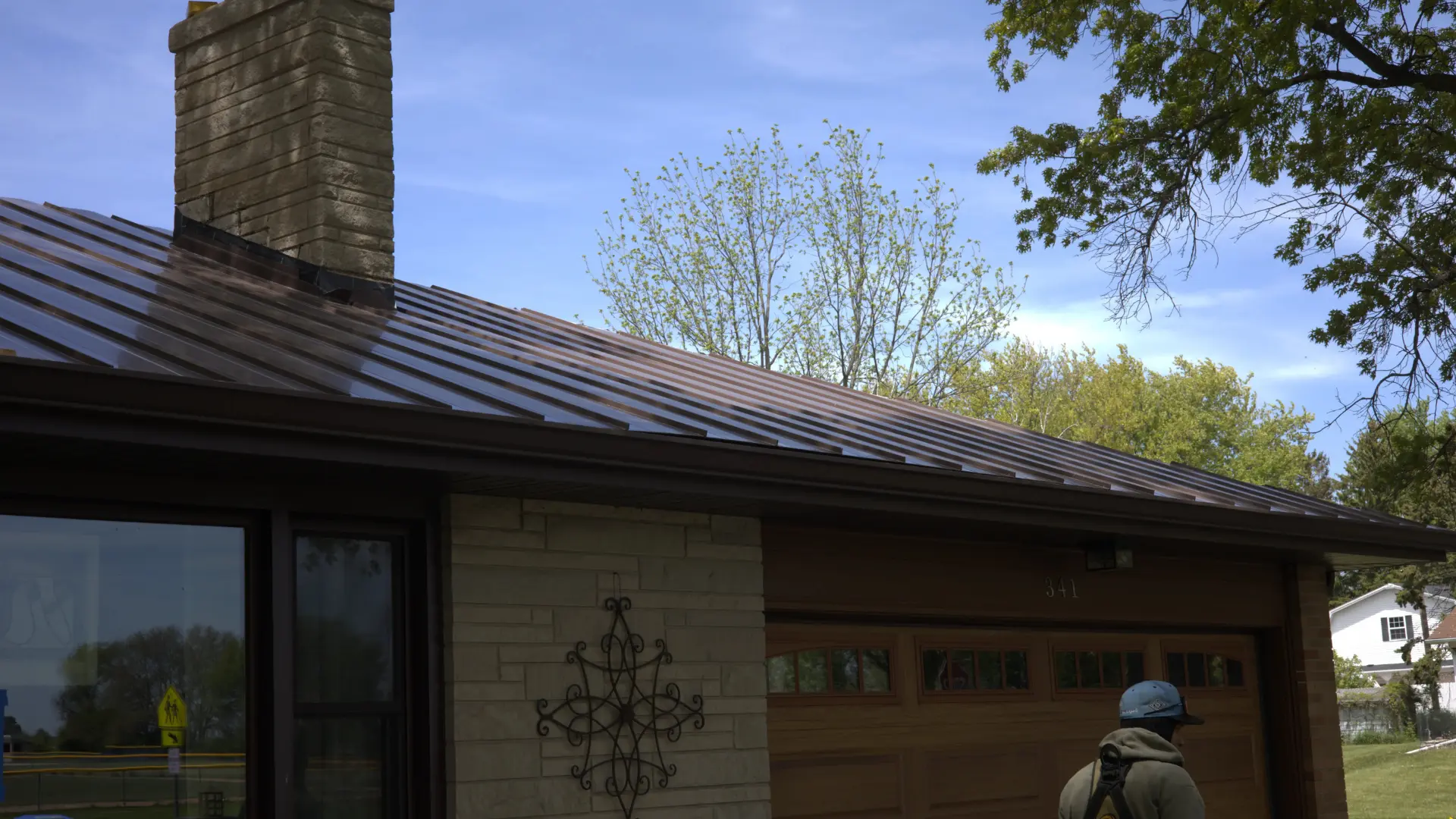
A metal roof is protected by layers of coverage: a finish warranty for the paint, a substrate warranty for the metal, an optional weathertightness warranty for leaks, and a workmanship warranty for the install. Each covers a different piece, and each has exclusions and maintenance rules you have to follow.
When you compare bids, do not just compare price. Compare the warranties side by side, read the exclusions, and confirm the workmanship coverage in writing. The metal will likely outlast the paperwork, so make sure the paperwork is solid before the first panel goes up.
Next step: ask any roofing company you are considering for copies of every warranty document up front, not after the job. If they hesitate to hand them over, that tells you what you need to know.