.webp)
ACV vs. RCV Roof Coverage: What Homeowners Need to Know Before the Next Storm

Aaron Venegaz is the President and founder of Global Exterior Experts and has been in the construction / roofing industry for over 15+ years. He started the company back in 2010 and done everything from scheduling appointments to putting down roofs. He's also done everything from commercial roofing to residential roofing and has also worked with almost every single roofing material multiple times over the past 15 years.
Here's the thing: if your roof needs replacing, the best time is usually right now. But if you have some flexibility and want to plan it out, let's talk about what each season brings to the table.
Most roofs get replaced between late spring and early fall. That's when the weather cooperates, materials seal properly, and crews can work efficiently. But here's what you really need to know: every season has its trade-offs, and the "perfect" time depends on your specific situation.
1. Why Timing Matters (More Than You Think)
Temperature affects how roofing materials perform. Every asphalt shingle is different and for the most part, almost all of them need warmth to seal correctly. Too cold, and they won't bond. Too hot, and the crew moves slower. Adhesives, underlayment, and sealants all work best within specific temperature ranges; usually between 40°F and 85°F.
Weather delays cost money and extend project timelines. Rain shuts down the job. Wind makes it dangerous. Snow makes everyone's lives worse. Even a few cloudy days can slow down shingle sealing properly. Weather is something you really need to watch out for especially when you're planning a roof replacement that has ran you $12,000 to $18,000 for an average home, weather interruptions also add up fast.
Contractor availability shifts with the seasons with peak times in fall and spring pushing projects out several weeks or adding more $$ for the demand. Off seasons might give you better pricing and faster scheduling but it's usually around the holidays that this happens so it's just a matter of sacrificing for a cheaper roof installation.
2. Summer: The Popular Choice (For Good Reasons)
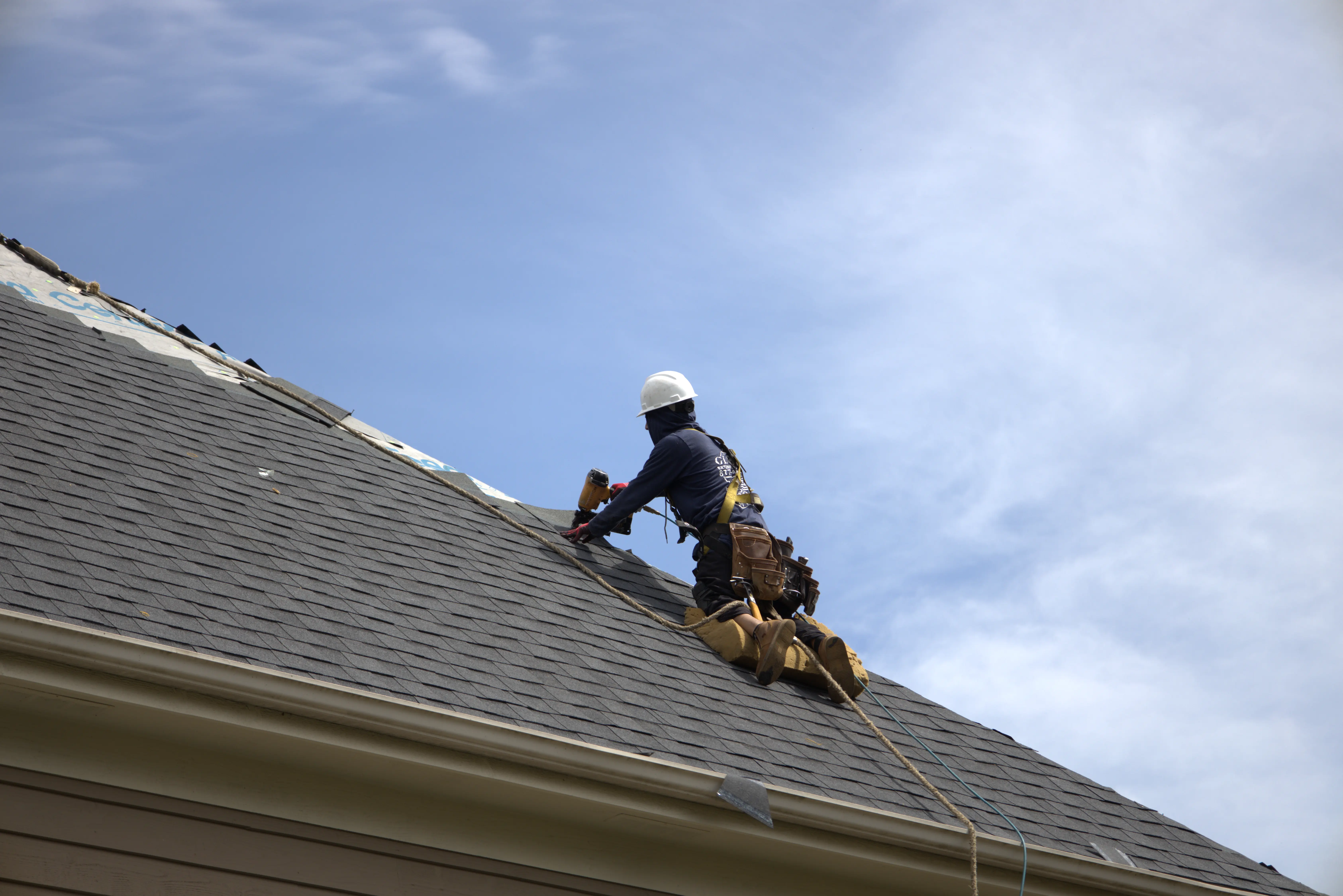
Summer dominates the roofing calendar with long daylight hours meaning crews can start early and work late. Predictable weather patterns reduce delays, materials seal quickly in warm and dry conditions.
Most roof replacements take 1 to 2 days depending on size and complexity. Here's a full blog on how long they normally take. In summer you're looking at the shorter end of that range because of the longer daylight hours. A straightforward 2,000 square foot roof could easily be 1 or 2 days if everything goes smoothly.
The downside is the heat. When temperatures push past 90°F, working on a dark roof becomes brutal. Crews need more breaks, more water, and sometimes they'll only work morning hours. This can push your project timeline or bring costs up slightly due to the needed labor adjustments.
Peak season also means premium pricing. You're not getting gouged but you're probably not getting a $1000 off deal either. Expect to pay standard rates: $500 to $800 per square (a 10x10 foot area) for architectural shingles, labor included.
3. Fall: The Sweet Spot (If You Can Get In)
Let's talk about why roofing companies love fall installations. Temperatures tend to drop into that ideal range of 50°F to 70°F. This is perfect because the humidity stays low, shingles seal perfectly, and the crews work comfortably.
Fall is also the best time because it combines summer's reliability with spring's moderate temperatures. You get consistent working conditions without the extreme heat and everything performs exactly as it should.
The catch is that everyone wants a roof replacement in fall. The reason is because there's no holidays or gifts to be buying. Most good contractors are booking up in October through September. If you're calling in September hoping for a September install, you're probably out of luck. Plan two to three months ahead minimum.
4. Spring: The Gamble Season
Spring feels like it should work well, it's basically fall but right after winter is over. Temperatures warm up, any damage from winter becomes visible, and homeowners start thinking about maintenance. Don't get me wrong, spring can 100% work. The problem is predictability.
April showers aren't just a saying. Spring brings rain and lots of it here in Illinois. One week might be perfect, the next could be a potential flood. This makes scheduling tricky since we might start your job on Monday and get rained out Tuesday through Thursday, and that's frustrating for everyone.
Early spring tends to be drier in most regions, while late spring gets wetter and stormier. If you're targeting spring just aim for the earliest time you can and just build flexibility into your schedule.
Cost wise spring pricing sits between winter lows and summer highs so you might save 5% to 10% compared to peak season rates.
.webp)
5. Winter: Yes, It's Possible (With Conditions)
Can you replace a roof in winter? Yes, even here in Illinois, BUT, you are going to have to install a specific type of shingle that can seal in winter and you'll have to find someone willing.
As I mentioned, the main issue is shingle adhesion. Asphalt shingles use a sealant strip that's activated by heat. When installed in cold weather, this strip won't seal until the weather warms up and in some cases we're talking months until it does.
Until then; high winds, ice dams, and right about everything else could lift the shingles and damage your roof decking which could warrant another full roof replacement that's going to run you $12,000 - $18,000.
Some manufacturers void warranties on cold weather installations while others allow it with specific procedures: hand-sealing tabs, using cold weather adhesives, or limiting installation to certain temperature ranges. Just make sure you check your warranty carefully.
That said a winter installation happen regularly in moderate climates. If daytime temps stay above 40°F and you're not dealing with ice or snow, it's doable. Crews may work shorter days due to the limited daylight and freezing temperatures but it'll get done.
The upside to this winter mess, better availability and potentially lower pricing. Some contractors offer 5% to 10% discounts in slow months just to keep crews working. If your roof can wait and conditions allow it, winter might save you $1,500 to $2,000.
6. What Your Roof Type Changes
Not all roofing materials care about seasons, unlike asphalt shingles, which are very are temperature sensitive. Metal Roofing could care less. It can go on year round as long as the roof deck is dry and conditions are safe for workers. Metal doesn't rely on thermal sealing but rather fasteners and bolts.
Flat roofs using membrane systems like TPO or EDPM also have more flexibility. These materials typically use adhesives that are industry standard to be worked manually or mechanical fasteners that aren't as affected by temperature. You still want dry conditions and safe working weather for all materials, but the seasonal window opens up.
Tile and slate handle cold weather reasonably well though winter installations take longer due to careful handling requirements and shorter work days.
7. When "Right Now" Beats "Right Season"
Sometimes you don't get to pick the season and you've got active leaks, missing shingles, sagging sections, or visible deck damage meaning you needed a roof yesterday, you've just got to pick now.
If you're dealing with emergency situations: find a reputable contractor who can start quickly, expect to pay premium rates or even emergency rates + premiums rates for super urgent work, and understand the job might take longer due to weather challenges.
A failing roof costs you money every day you wait, water damage spreads, insulation gets soaked, mold keeps growing, and the threat of the entire roofing falling in looms. Spending an extra $3,000 to replace your roof in less than ideal conditions beats spending $10,000 fixing water damage later.
8. Planning Your Timeline (The Practical Version)
If you're planning ahead and not facing emergencies, here's a realistic approach:
Start shopping for contractors 8 to 12 weeks before your target installation date. Get multiple quotes (three minimum), check references, verify licenses and insurance, and compare not just price but their warranty coverage and material quality.
For spring or fall installations, book even earlier. These seasons fill up fast. Summer offers more flexibility but popular contractors still book out four to six weeks in most markets.
Budget realistically too. Beyond the roof itself which could range anywhere from $12,000 to $25,000 for most residential projects, factor in potential repairs discovered once the old roof comes off. Finding rotten decking could adds $120 to $200 per sheet that needs replacing. Most jobs uncover at least some deck repairs especially if the roof is old enough to be leaking somewhere.
9. Permitting and HOA Approvals?
Here's something people forget: timing isn't just about weather and contractor schedules. The permits we need to legally replace the roof can take anywhere from two to six weeks depending on your municipality. Some local building departments move faster in winter simply because they're less busy.
HOA approvals add another layer too. If your association requires architectural review, and many do for full roof replacements, you're looking at 30 to 60 days minimum for that HOA inspection. Make sure you factor this in when planning your ideal installation window.
10. Making Your Decision
Here's the practical answer to when you should replace your roof:
Replace it now if you have any damage, leaks, or clear signs of failure since those damages could add up quick. The season doesn't matter when your roof isn't doing it's job anymore.
Aim for late summer or early fall if you have the flexibility. You'll get reliable weather, good working conditions, and strong material performance in summer or fall but the trade off is busier schedules and standard pricing.
Consider late spring if you want moderate pricing and can accept some scheduling flexibility. Weather might delay things but you'll also likely save some money.
Look at winter only if you're in a moderate climate, you're getting a discount that's worth the risk, and your contractor has experience doing cold weather installations.
The Bottom Line
The best time of year to replace a roof depends less on the calendar and more on your specific situation. A failing roof in January needs replacing in January. A roof with five good years left can wait for ideal conditions in September.
What matters most is working with a knowledgeable roofing company that understands material requirements, local weather patterns, and proper installation techniques. A skilled crew will make a challenging season work. An inexperienced crew will struggle even in perfect conditions.
Start your planning early, budget realistically, and focus on quality over convenience. Your roof protects everything underneath it. That's worth getting right regardless of what month the calendar shows.