.webp)
ACV vs. RCV Roof Coverage: What Homeowners Need to Know Before the Next Storm

Aaron Venegaz is the President and founder of Global Exterior Experts and has been in the construction / roofing industry for over 15+ years. He started the company back in 2010 and done everything from scheduling appointments to putting down roofs. He's also done everything from commercial roofing to residential roofing and has also worked with almost every single roofing material multiple times over the past 15 years.
Most roofs last between 20 and 50 year but that range really depends on what's actually on your house. Asphalt shingles might give you 10-20 years, metal could push past 60 years, & with real slate you're looking at 100+ years if it's installed right.
The real question isn't just how long a roof can last. It's how long your roof will last based on what you pick, how it's installed, and how Illinois weather treats it over time. Our freeze thaw cycles, ice dams, summer heat, and UV exposure all shorten lifespans if you're not careful.
Let's break down what you're actually getting with each material.
Asphalt Shingles: The Standard 20-30 Year Roof
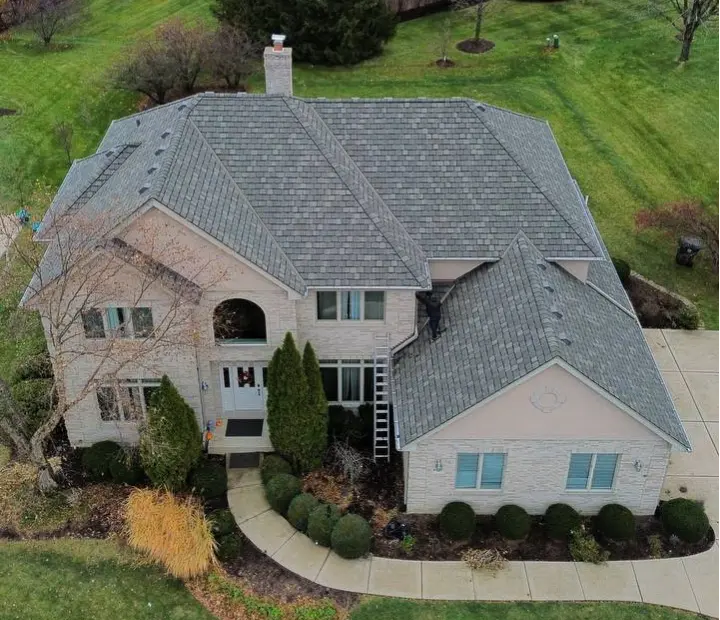
Asphalt shingles dominate residential roofing for a reason. They're affordable, easy to install, and available everywhere. Most 3-tab shingles tend to last 15-20 years. Architectural shingles (the thicker, dimensional ones) push closer to 25-30 years with proper care.
Here's the catch: Illinois winters are rough on asphalt and the constant freeze thaw cycle causes expansion and contraction that cracks shingles over time. Add in ice dams, which can lift shingles and let water underneath, and you're looking at premature failure if attic ventilation isn't dialed in.
Cost wise asphalt shingles are the cheapest upfront option. A full roof replacement runs $10,000-$20,000 depending on size and pitch but that's a fraction of what metal or tile costs which is why most homeowners default to it. You'll need to replace it more often so the long term math changes.
Quality matters more than most people realize. Cheap shingles might save you $2,000 today but they'll fail five years earlier so just stick with reputable manufacturers and warranty coverage that actually means something.
Metal Roofing: 40-70 Years of Durability
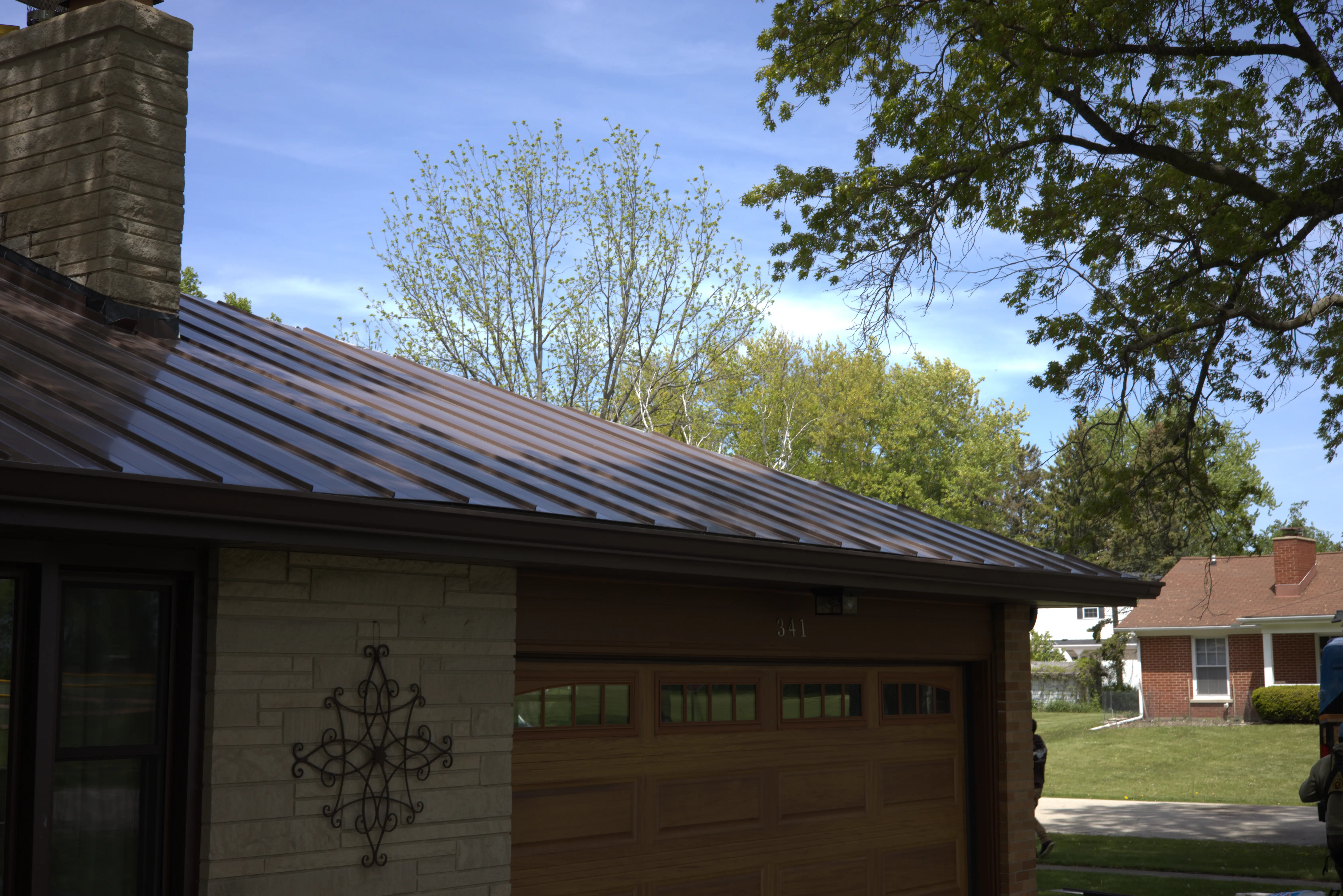
Metal roofs last significantly longer than asphalt and some standing seam systems typically hit 50-70 years. Corrugated panels and metal shingles fall closer to 40-50 years, though they're still outlasting most other materials by a wide margin.
The upside? Metal handles Illinois weather better than almost anything else. No cracking from freeze-thaw, sheds snow cleanly, & it's UV-resistant coatings hold up for decades. Not to mention if a storm rolls through you're not replacing half the roof because of hail damage (assuming you went with a thicker gauge). These also work in more extreme cases but you can read about that here.
Costs run higher upfront so expect $15,000-$30,000 for a metal roof replacement depending on material type and complexity. Steel is cheaper than copper or zinc but even budget metal outlasts premium asphalt so the per year cost evens out over time.
One thing to watch is fastener failure. Exposed fasteners (common on corrugated systems) can back out or rust through before the panels themselves fail while standing seam systems avoid this with concealed clips, which is why they last longer. If you're going metal, spend the extra money on proper installation, underlayment, thermal expansion gaps, snow guards (if your pitch is steep) because all of that affects how long the roof actually performs.
Architectural Shingles vs. 3-Tab: What's the Difference?
Architectural shingles tend to cost about 20-30% more than 3 tab but not only do they last longer but they also look better. The extra thickness (two layers of material vs. one) gives them better wind resistance and impact protection. Most come with 30 to 50 year warranties though real world lifespan in Illinois is closer to 25-35 years.
3-tab shingles are thinner, lighter, and cheaper but they'll do the job for 15 to 20 years if installed correctly. They're just more prone to blowing off in windstorms and they show wear faster but if you're flipping a house or need the cheapest option that passes inspection, 3 tab works. If you're staying put though, architectural shingles are the smarter play.
Wind ratings matter in the Midwest. Look for shingles rated for 110+ mph winds. Illinois doesn't see hurricanes but summer storms can pack serious gusts and proper nailing pattern and starter strips make a bigger difference than most people think.
Clay and Concrete Tile: 50-100+ Years
Tile roofs last forever if you maintain them and clay tiles can hit 100+ years. Concrete tiles typically last 50-75 years before they start to degrade but the material itself is incredibly durable. The problem is the underlayment and flashing won't last nearly as long.
Here's the thing: tile is heavy. Really heavy. Your roof framing needs to support 800-1,200 pounds per square (100 sq ft), which is 3x to 4x heavier than asphalt. Most houses in Illinois aren't built for that load so you'll need structural reinforcement before installation. That's not the dealbreaker for some but it's definitely more work.
Tile also requires professional installation because you can't just nail it down like shingles. Each tile needs to be properly seated and the entire system relies on correct flashing and weatherproofing. Costs run $25,000-$50,000+ for a full roof replacement but finding contractors experienced enough with tile in the Midwest is the hard part.
But if you want a roof that outlasts your mortgage? Tile delivers. It's fireproof, insect-proof, and handles UV exposure better than anything else. The freeze thaw cycles could crack lower quality concrete tiles over time so just stick with glazed clay or high density concrete if you're in a climate with harsh winters.

Slate Roofing: The 100 Year Roof (If Done Right)
Slate is the longest-lasting roofing material you can buy and high quality slate roofs regularly hit 75 150 years. Some even last 200+ years if the supporting structure holds up. The stone itself doesn't degrade but Wwhat fails first is the underlayment, fasteners, and flashing, all of which need replacement every 30 50 years.
Like tile though slate is heavy (around 800-1,500 pounds per square) so most homes are going to need structural upgrades before installation. The cost is also significant and could range from: $30,000-$60,000+ depending on slate grade and roof complexity but there's a reason why slate is mostly seen on historic homes and high end properties.
Slate also requires specialized installation. Not every roofing company knows how to work with it. Poor installation (wrong nails, improper overlap, bad flashing) will cause premature failure even on the most premium slate plus you'll need copper or stainless steel fasteners, not galvanized. You need proper ventilation and ice dam prevention but most importantly, you'll need someone who understands how slate moves and expands.
If you're buying a house with an existing slate roof just get it inspected by someone who knows slate because repairs are expensive and replacing sections requires matching the original stone. If it's in good shape though; you've got a roof that'll outlast everything else on the property.
Wood Shakes and Shingles: 20 to 40 Years with High Maintenance
Wood roofs (usually cedar) last 20 40 years depending on climate, treatment, and maintenance. In dry climates they can push to the upper end of that range but in Illinois? You're looking at 20 to 30 years and maybe less if moisture and rot take hold.
Wood requires more maintenance than any other material so you'll need to treat it for moss, algae, and rot every few years. Valleys and areas with poor drainage will fail first and not to mention wood is highly flammable which limits where it can be installed (check local fire codes before committing to it).
Cost runs $15,000-$30,000 for a full roof replacement. That's comparable to metal, but wood won't last as long and requires ongoing upkeep. The aesthetic appeal is undeniable though and ff you're restoring a historic home or want that rustic look, wood shakes deliver. Just know what you're signing up for.

Synthetic Roofing Materials: The New Middle Ground
Synthetic shingles (rubber, plastic, polymer composites) are designed to mimic slate, wood, or tile while lasting 40 to 60 years. They're lighter than natural materials, easier to install, and hold up well in freeze thaw climates. Some products are made from recycled materials, which also adds an environmental angle.
The downside? They're relatively new, so long term performance data is limited. Warranties promise 50 years but we won't know for another 20 or 30 years how they actually hold up. Early products had issues with UV degradation and color fading. Newer formulations seem better, but it's still a bit of a gamble compared to proven materials.
Costs fall between asphalt and natural materials: $10,000-$20,000 for most homes. If you want the look of slate or wood without the weight, cost, or maintenance, synthetics are worth considering. Just vet the manufacturer and make sure the warranty covers both material defects and installation issues.
What Actually Shortens a Roof's Lifespan
Material quality really matters but installation and maintenance determine whether your roof hits its expected lifespan or fails early. Poor ventilation is the biggest killer and without proper airflow, attic heat builds up in summer and moisture accumulates in winter. That accelerates shingle aging, warps decking, and promotes rot.
Ice dams are a close second in Illinois because when heat escapes through your roof it melts snow. Which then causes that water runs down to the cold eaves and refreezes creating a dam. Then water backs up under shingles, soaks into the decking, and causes leaks. Proper insulation and ventilation could prevent this but a lot of homes still have issues.
Storms and debris also take years off a roof. Overhanging branches scrape shingles and trap moisture. Hail tends to dent metal and cracks asphalt. Wind lifts poorly secured shingles but regular inspections catch problems before they cascade into bigger failures.
Maintenance makes a difference too. Cleaning gutters, trimming trees, replacing damaged shingles, and addressing leaks early all extend roof life and ignoring small issues costs more in the long run.
What to Consider Before Your Next Roof Replacement
Lifespan is only one factor. Budget, aesthetics, home value, and long term plans all matter. If you're selling in five years, a premium 60 year metal roof doesn't make financial sense. If you're staying for 30 years; spending more upfront saves money over time.
Climate compatibility matters more than most people realize. Asphalt works fine in Illinois if you address ventilation and ice dams. Metal handles snow load and weather better. Tile and slate offer unmatched longevity but require structural support so just match the material to your home's design, your budget, and how long you plan to own the property.
Warranties vary widely. Some cover only manufacturing defects and others include installation, labor, and prorated replacement costs. Read the fine print before you commit because a 50 year warranty that only covers materials for the first 10 years isn't as valuable as it sounds.
Also get multiple quotes from licensed contractors and watch out for a low bid because usually that might mean cut corners. A high bid might include upgrades you don't need so just make sure you compare apples to apples: same materials, same scope, same warranty coverage. Then pick the roofing company that communicates clearly and shows up when they say they will.
Final Thoughts: Picking the Right Roof for Your Home
Your roof's lifespan depends on what you choose, how it's installed, and how you maintain it. Asphalt shingles give you 20 30 years at the lowest cost. Metal can push 40 to 70 years with better weather resistance. Tile and slate can outlast everything else on your property but they cost more and require structural support.
Think about how long you'll own the home, what your budget allows, and what makes sense for Illinois weather. We can walk you through options based on your specific situation but now you know what questions to ask and what trade offs to expect.
When it's time for a roof replacement don't just pick the cheapest bid or the flashiest material. Pick the one that fits your home, your timeline, and your long-term plans. Done right, your next roof might be the last one you ever need.