Why Is My Roof Sagging in the Middle?

Aaron Venegaz is the President and founder of Global Exterior Experts and has been in the construction / roofing industry for over 15+ years. He started the company back in 2010 and done everything from scheduling appointments to putting down roofs. He's also done everything from commercial roofing to residential roofing and has also worked with almost every single roofing material multiple times over the past 15 years.
Most modern asphalt shingle roofs are rated to handle winds of 110 mph, and the top rated shingles are tested up to 150 mph. That's the lab number. In the real world, an older or poorly installed roof can start losing shingles at around 60 mph, which is a strong thunderstorm, not a hurricane.
So the honest answer is this: your roof can handle as much wind as its weakest shingle. Let's walk through what decides that, and what you can do about it.
What the Wind Ratings Actually Mean
Alright, let's talk about the numbers on the shingle wrapper. Shingles are tested under two main standards, and each one gives a class rating.
ASTM D3161 (the fan test):
- Class A: 60 mph
- Class D: 90 mph
- Class F: 110 mph
ASTM D7158 (the uplift test):
- Class D: 90 mph
- Class G: 120 mph
- Class H: 150 mph
Most architectural shingles sold today carry the top class in both tests, Class F and Class H. Many also come with a wind warranty in the 110 to 130 mph range, as long as they are installed exactly to the manufacturer's instructions. That last part matters more than people think.
Here's the Thing About Lab Ratings
Here's the thing: a rating describes a brand new shingle, fully sealed, nailed perfectly, on a test deck. Your roof has been sitting in sun, rain, and cold for years.
Independent testing has shown that the same shingle can perform very differently depending on the batch and the season it was installed. A rating is a starting point. It is not a promise.
The Sealant Strip Does Most of the Work
Every shingle has a strip of adhesive on it. When the sun heats the roof, that strip softens and bonds each shingle to the one below it. That bond is the main thing keeping your shingles down in high wind.
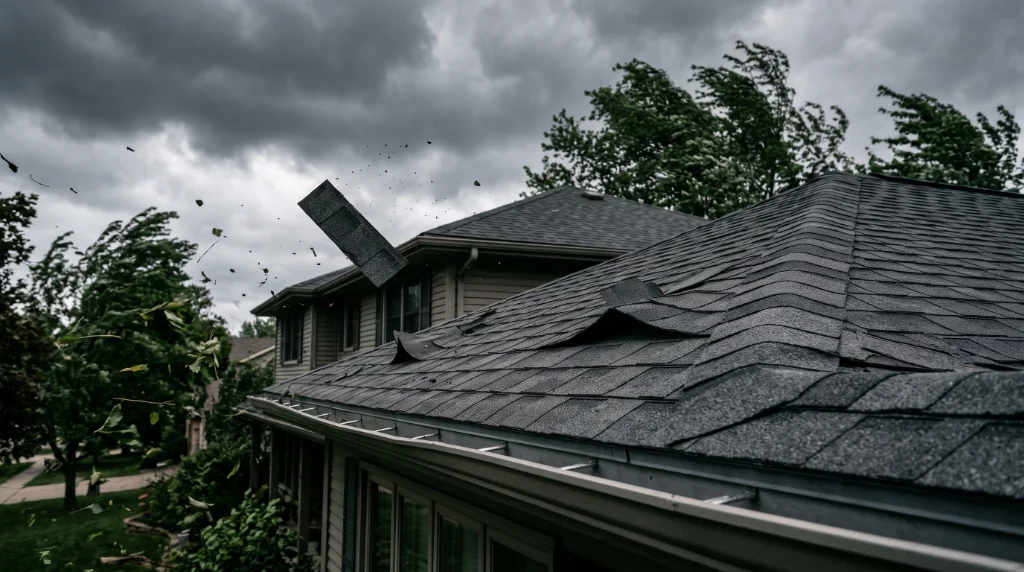
When the seal is strong, wind slides over the roof. When the seal breaks, wind gets under the shingle edge, lifts it, and bends it back until it creases or tears off. Then the next shingle is exposed, and the damage spreads.
Seals fail for a few reasons:
- Age. The adhesive dries out and lets go over time.
- Cold weather installs. Shingles put on in winter can take weeks to seal. In testing, some took about 12 weeks.
- Dust and debris. Dirt that lands on the strip before it bonds can keep it from sealing well.
- Past storms. A seal that broke once may never bond back at full strength.
Where Wind Hits Your Roof Hardest
Wind does not push evenly across a roof. Uplift is strongest at the corners, the edges, and the ridge. That's why wind damage usually starts at the eaves and rakes, then works its way in.
Roof shape plays a part too. Hip roofs (the kind that slope on all four sides) handle wind better than tall gable roofs with wide overhangs. Who would've thought the shape of your house could matter that much?
Installation Details That Make or Break It
This is where a good roof and a bad roof split apart, even with the same shingles.
- Nail count. Four nails per shingle is the standard minimum. Six nails are required for most high wind warranties and in many high wind zones.
- Nail placement. Nails driven too high miss the strongest part of the shingle and hold far less.
- Starter strip. A proper starter course with adhesive at the eaves and rakes locks down the edges, where wind hits first.
- Hand sealing. In cold weather (many manufacturers say below 40 degrees) or on very steep slopes, each shingle should be sealed by hand with roofing cement.
One code surprise worth knowing: your local building department sets the wind rating your roof must meet, and it can change when codes update. A roof that was legal 20 years ago may need more nails or a different underlayment to pass today. Check before work starts, not after.
Signs of Wind Damage to Look For
After any storm with gusts over 50 mph, walk around your house and look up. You don't need a ladder for this.
- Missing shingles or bare patches
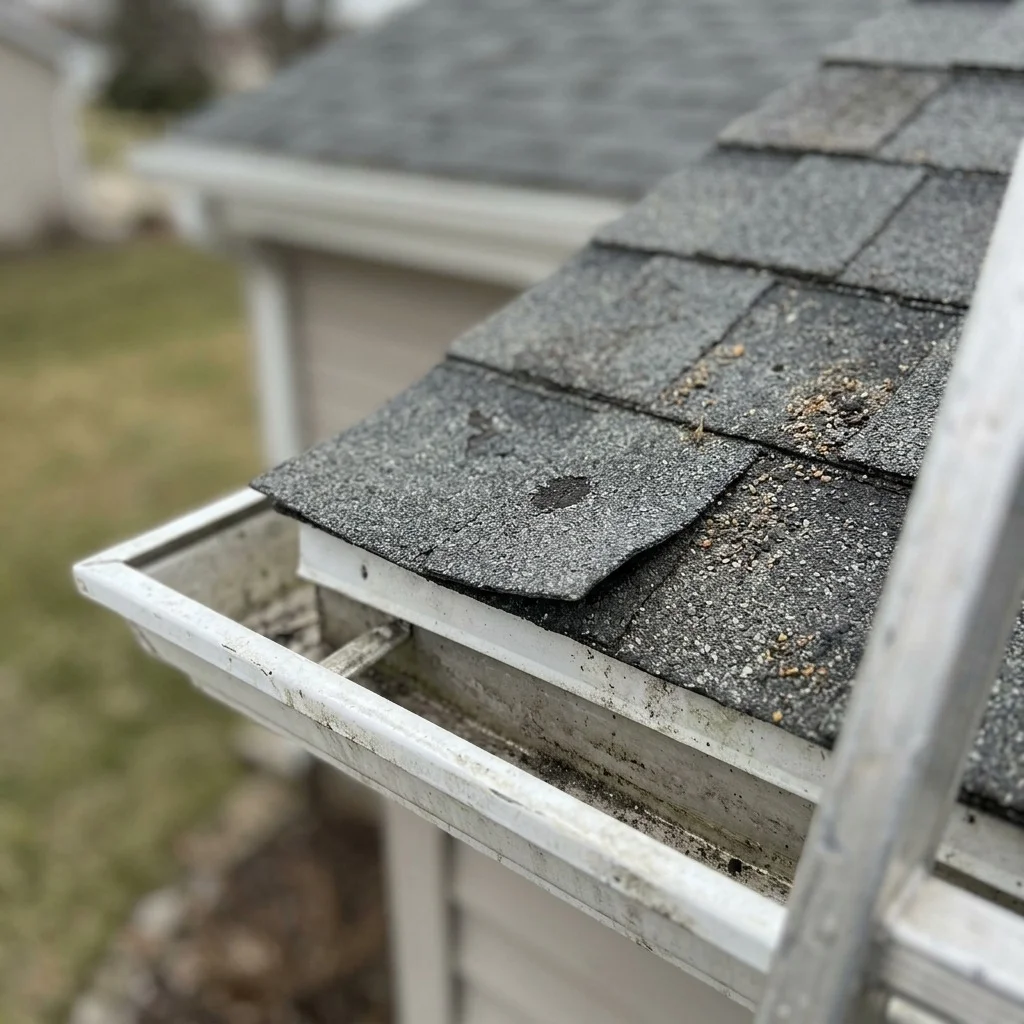
- Shingles that look lifted, curled, or flapping
- Thin dark lines across shingles, which point to a crease
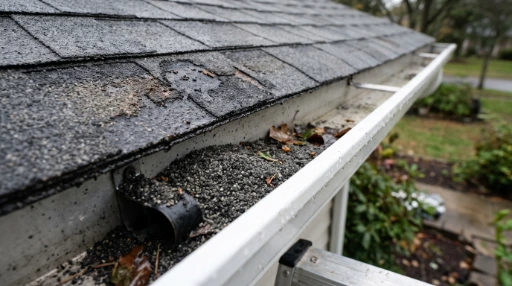
- Shingle pieces or granules in the yard and gutters
- Damaged ridge caps or vents
- New water stains on ceilings or in the attic
Creased shingles are the sneaky ones. They can lie flat again and look fine from the ground, but the mat inside is cracked and it will leak sooner or later.
Repair or Roof Replacement?
Small damage on a younger roof is a repair. If you've lost a handful of shingles and the rest are still sealed tight, we replace what's gone and check the seals around it.
Roof replacement starts to make more sense when:
- The damage covers roughly a third of the roof or more
- The roof is 15 to 20 years old and seals are failing across whole slopes
- The shingles are discontinued and a patch won't match
- The same areas keep blowing off storm after storm
What It Costs and How Long It Takes
Of course, none of this comes free. Here are broad, realistic ranges.
- Minor wind repair (a few shingles): about $300 to $1,500, usually done in a few hours to a day
- Larger repairs (a full slope or section): roughly $2,500 to $7,000, over a few days
- Full roof replacement with asphalt shingles: most homes land between $8,000 and $16,000, and large or steep roofs can run $25,000 or more
The tear off and install on most homes takes one to three days. The waiting is the longer part. Permits can take anywhere from a day to a few weeks depending on your town, and special order colors can add delays. After a big storm, every roofing company in the area gets busy at once, so schedules stretch out fast.
If insurance is involved, read your policy first. Many policies carry a separate wind or hail deductible, and it can be higher than your regular one.
How to Plan for a Stronger Roof
If you're replacing your roof anyway, a few choices add real wind resistance for a modest bump in cost.
- Ask for shingles rated Class F and Class H.
- Ask for six nails per shingle, and get it in writing.
- Make sure starter strips go on the eaves and the rakes.
- Ask about a sealed roof deck, which keeps water out even if shingles blow off.
- Schedule for warm weather if you can, so the shingles seal quickly.
The Bottom Line
A shingle roof in good shape can handle 110 mph winds or more. A tired roof with broken seals can fail at about half that. The rating matters, but the age of the roof and the quality of the install matter just as much.
Your next step is simple. Look your roof over from the ground after the next windy day. If it's more than 10 years old, or you see anything on the list above, have a local roofing company inspect it before storm season. Catching a few loose shingles now costs a lot less than a roof replacement later.