What Is a Ridge Cap Shingle? A Roofing Company Explains

Aaron Venegaz is the President and founder of Global Exterior Experts and has been in the construction / roofing industry for over 15+ years. He started the company back in 2010 and done everything from scheduling appointments to putting down roofs. He's also done everything from commercial roofing to residential roofing and has also worked with almost every single roofing material multiple times over the past 15 years.
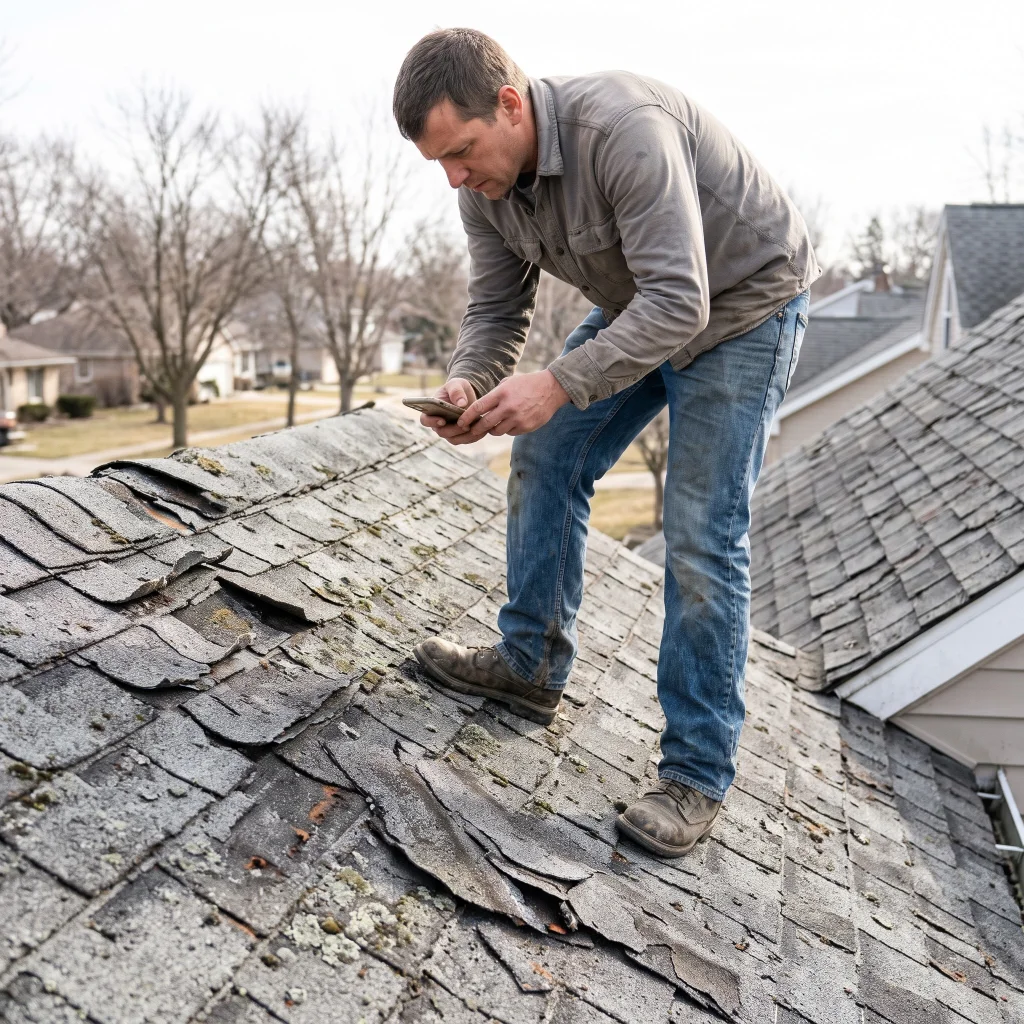
Shingles curl or cup for one of five reasons: old age, poor attic ventilation, bad installation, trapped moisture, or a manufacturing defect. Curling means the shingle has lost the asphalt and oils that keep it flat and flexible. Once that happens, the shingle can no longer seal out water, and the only real fix is replacement.
Here's the thing. Curling is not a cosmetic problem. It is your roof telling you the shingles are done protecting the deck underneath. The good news is that the cause is usually easy to spot, and that tells you whether you need a small repair or a full roof replacement.
Curling vs. Cupping: What You're Looking At
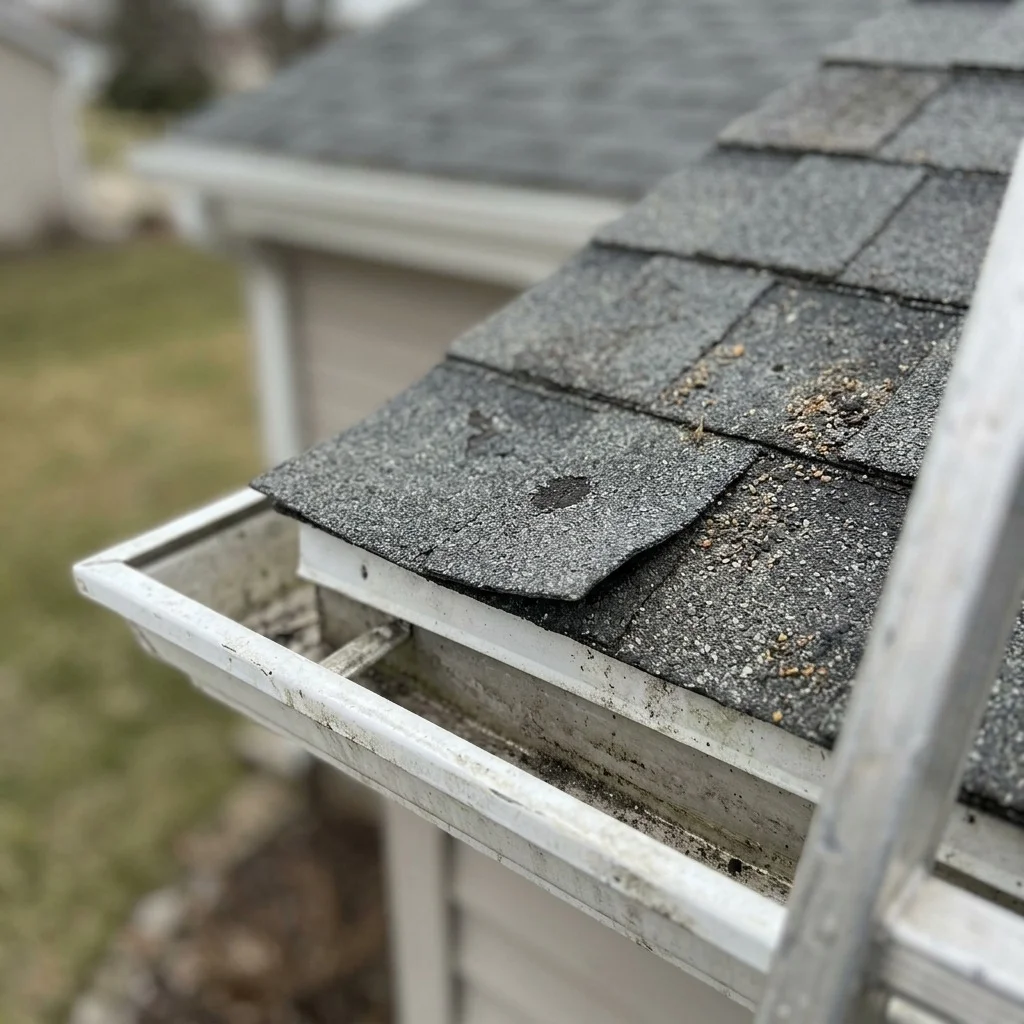
People use these words like they mean the same thing. They don't, and the difference tells you a lot.
- Curling: the edges of the shingle turn upward, so the shingle looks like it is peeling off the roof.
- Cupping: the middle of the shingle sinks while the edges lift, making a shallow bowl shape.
- Clawing: the corners lift and the center stays flat, a cousin of cupping that is easy to miss.
Cupping is most often a heat and ventilation problem. Curling usually points to age or installation issues. Either way, a shingle that is no longer flat is a shingle that lets wind and water get underneath it.
1. Your Shingles Are Simply Worn Out
Alright, let's start with the most common cause. Asphalt shingles are made of a fiberglass mat soaked in asphalt and coated with granules. Over 20 to 30 years, sun and weather bake the oils out of that asphalt. The shingle dries, shrinks, and pulls up at the edges.
If your roof is past 20 years old and the curling shows up all over, not just in one spot, age is almost always the answer. You will usually see other signs too: bald patches where granules have washed away, cracked shingles, and heavy granule buildup in your gutters.
There is no repair for an old roof. At this stage, patching one area just moves the leak somewhere else.
2. Your Attic Is Cooking the Roof From Underneath
This one surprises homeowners. A roof that is only 8 to 12 years old should not be cupping, yet it happens all the time. The cause is usually a hot, stuffy attic.
Without enough intake vents at the eaves and exhaust vents at the ridge, attic temperatures can climb past 150 degrees in summer. That heat bakes the shingles from below while the sun bakes them from above. The shingles age twice as fast, and cupping is the first thing you see. In winter, the same trapped air holds moisture, which soaks the deck and warps the shingles from the back.
Quick ways to check your ventilation:
- Count your vents. A common rule is one square foot of vent opening for every 300 square feet of attic floor, split between intake and exhaust.
- Look for insulation stuffed into the soffits. It blocks intake air (very common in older homes).
- Step into the attic on a hot afternoon. If it feels like a sauna, you have your answer.
Adding ridge vents, soffit vents, or a powered attic fan usually runs $300 to $1,500. That is cheap insurance for a roof that cost twenty times more.
3. The Roof Was Installed Wrong
Here's the thing about shingles: they are only as good as the crew that put them on. Curling on a roof under 10 years old, especially in straight lines or along one slope, usually points back to installation.
The most common mistakes we see:
- Nails driven too high, too few, or at an angle, so the shingle never gets held flat.
- Shingles installed in cold weather that never got warm enough to seal down.
- Shingles laid over a wet or uneven deck.
- Starter strips skipped at the eaves, letting the first course lift in the wind.
If your roof is still under the workmanship warranty, call the installer first. Document everything with dated photos before anyone touches it.
4. Moisture Is Trapped Under the Shingles
A shingle is supposed to shed water, not sit in it. When moisture gets under the shingle from a bad bathroom fan, an ice dam, or a leaking vent boot, the shingle swells, dries, and swells again until it cups. You will often find this near valleys, chimneys, and north-facing slopes that stay shaded.
Layered roofs make it worse. A second layer of shingles nailed over the first traps heat and moisture between them, and it never dries out. (Many towns now limit roofs to two layers for exactly this reason.)
5. The Shingles Were Defective
It is rare, but it happens. A bad batch at the factory can leave shingles with too little asphalt, and they start curling within a few years no matter how well they were installed.
The tell is a roof that was installed right, vents fine, and still curls evenly across the whole surface. Most manufacturers offer 25 to 50 year material warranties, but they expect proof: the original invoice, the shingle brand and lot, and photos. Keep that paperwork. It is worth real money if you ever need it (who would've thought a receipt could cover a new roof?).
Can Curled Shingles Be Repaired?
Short answer: only if the curling is limited to a small area and the shingles are still flexible. A curled shingle cannot be glued flat for long. Once the asphalt has dried out, it will lift again within a season.
What a repair looks like:
- Replacing a handful of curled shingles in one spot, usually from wind damage or a single leak.
- Fixing the cause at the same time, such as adding a vent or resealing a pipe boot.
- Sealing edges with roofing cement as a short-term hold until replacement, never as a permanent fix.
If more than a quarter of the roof is curling, stop thinking about repair. You would be paying to patch a roof that is already failing.
Repair vs. Roof Replacement: What It Costs and How Long It Takes
Of course, none of this comes free. Here are realistic ranges so you can plan, not sales numbers.
- Spot repair (10 to 20 shingles): $300 to $1,000, done in a few hours.
- Ventilation upgrade: $300 to $1,500, usually one day.
- Partial replacement (one slope): $2,500 to $6,000, one to two days.
- Full roof replacement (average 2,000 square foot home): $9,000 to $20,000 for architectural shingles, one to three days on the roof.
Prices swing with roof pitch, the number of layers to tear off, how much decking needs replacing, and local labor rates. Steep roofs and homes with lots of valleys and dormers land at the higher end.
A quick note on timing. Signing a contract does not mean a crew shows up tomorrow. Material delays, permit review, and weather can stretch a replacement from one week to six, and spring and fall book up fast.
Planning Your Roof Replacement the Smart Way
If you have landed on replacement, a little planning saves a lot of headache.
Expect a few code surprises
Most municipalities require a permit for a full roof replacement, and the inspector will check things the old roof never had: ice and water shield along the eaves, drip edge, and proper ventilation. Some towns will not approve a layover at all. Budget for the permit ($100 to $500 in most areas) and build in time for the inspection.
Fix the cause, not just the shingles
If ventilation or moisture caused the curling, a new roof will curl again unless you fix the attic too. Ask any roofing company you talk to how they plan to handle intake and exhaust. If they shrug, keep looking.
Get the deck checked
Curled shingles often mean the plywood underneath has been wet for years. Rotten decking usually runs $70 to $120 per sheet to replace, and you will not know how many sheets until tear-off day. Ask for the per-sheet price in writing before work starts.
Your next steps
- Take photos of the curling from the ground and note the date.
- Check your attic for heat, moisture, and blocked soffits.
- Dig up your old roofing invoice and warranty.
- Get two or three written estimates that itemize decking, ventilation, and permits.
- Ask about the timeline, including material lead times, before you sign.
The Bottom Line on Curling Shingles
Curling and cupping shingles mean the asphalt has dried out and the shingle can no longer seal. Age, poor ventilation, bad installation, trapped moisture, and defective materials are the five causes, and the age of your roof plus where the curling shows up will usually point to the right one.
A small, isolated patch can be repaired for a few hundred dollars. Widespread curling on a roof over 15 years old means it is time to plan a roof replacement, and the sooner you plan, the more control you have over cost and timing.
What to consider next: how old your roof is, whether your attic is properly vented, and whether a warranty might cover part of the cost. Get those three answers first. Then call a roofing company for an inspection and a written estimate, and you will be making the decision with facts instead of guesses.