.webp)
Should I Get a Roof Inspection Before Buying a House?

Aaron Venegaz is the President and founder of Global Exterior Experts and has been in the construction / roofing industry for over 15+ years. He started the company back in 2010 and done everything from scheduling appointments to putting down roofs. He's also done everything from commercial roofing to residential roofing and has also worked with almost every single roofing material multiple times over the past 15 years.
Have your roof inspected by a professional roofing company at least once a year, and again after any major storm. If your roof is more than 15 years old, or your area gets hail, heavy snow, or high winds, schedule inspections twice a year: once in spring and once in fall.
That's the short answer. The right schedule for your home depends on your roof's age, material, and recent weather. Here's how to figure out yours.
What Is a Roof Inspection?
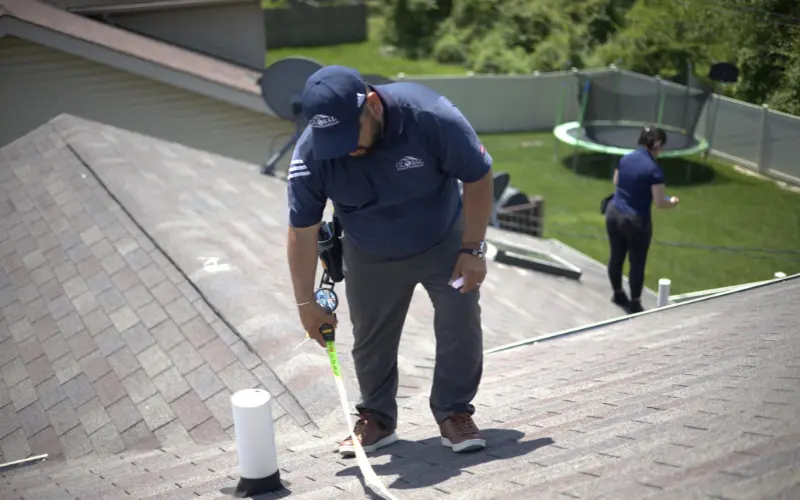
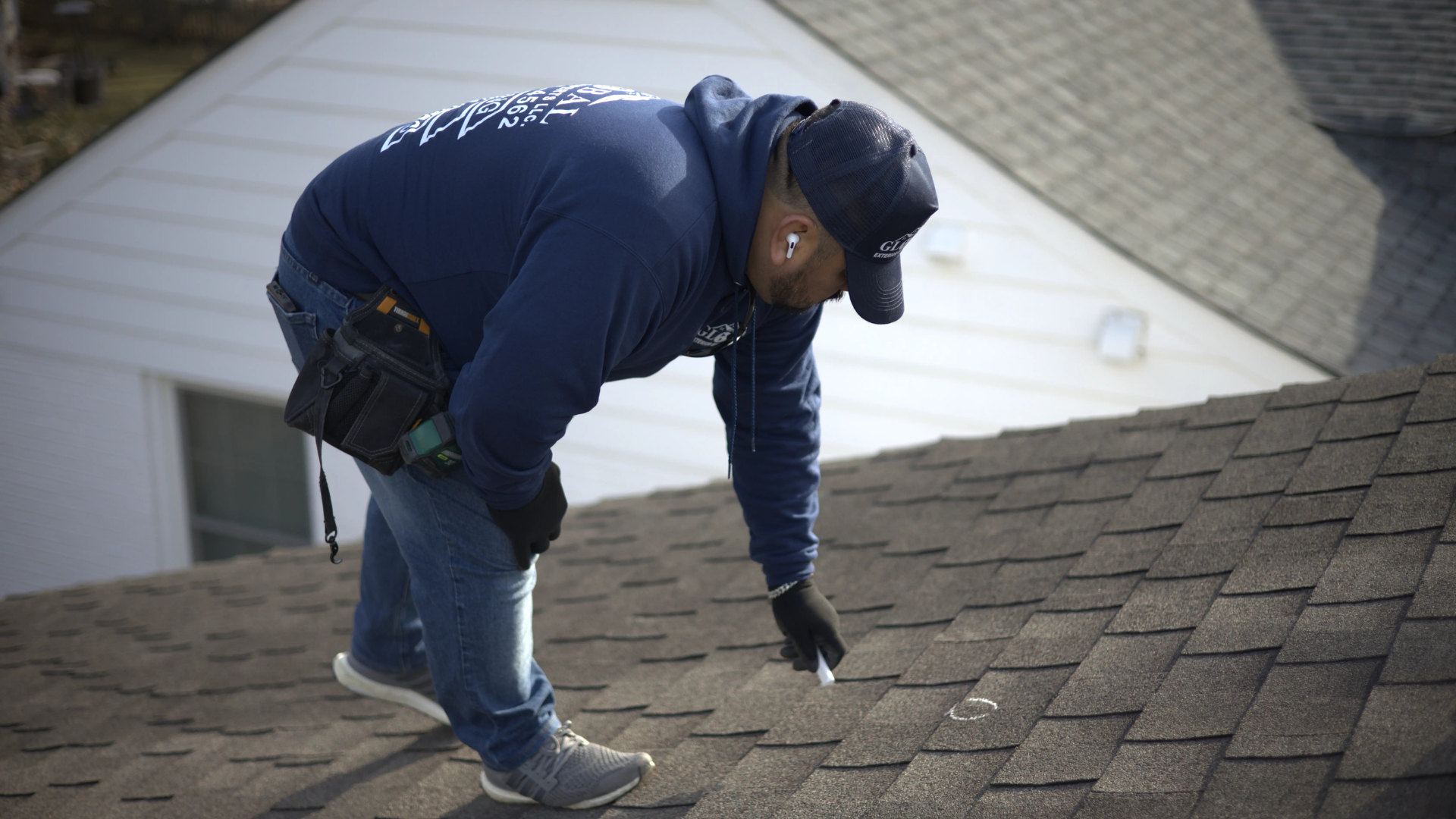
A roof inspection is a full check of your roofing system, both outside and inside. We look at the roof surface, flashing, vents, gutters, and attic to find damage, wear, and leaks before they spread.
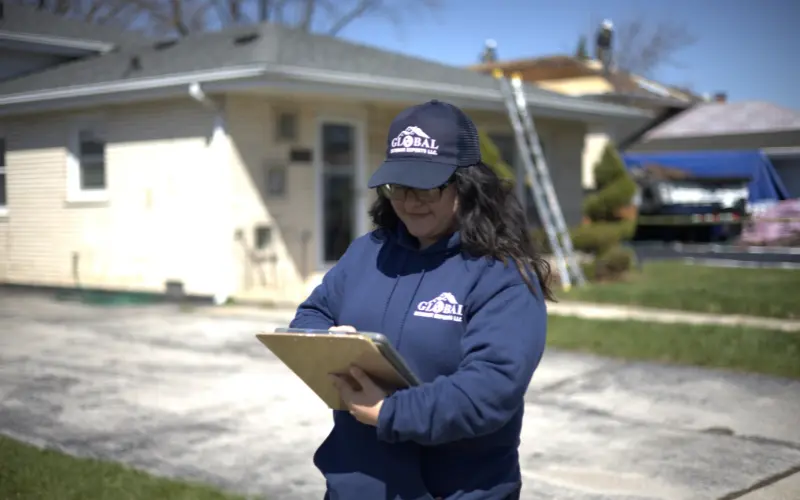
It's not just a quick look from the driveway. A proper inspection ends with a written report, photos, and a clear list of what needs attention now versus later.
Roof Inspection Schedule by Situation
Different situations call for different timing. Use this as your guide:
- Every year: Standard for all roofs, regardless of age
- Every spring and fall: Roofs over 15 years old or homes in harsh climates
- After major storms: Hail, high winds, heavy snow, or fallen limbs
- Within the first year of a new roof: Confirms the installation is holding up
- Before buying or selling a home: Avoids surprises during negotiations
- When you spot warning signs: Ceiling stains, missing shingles, granules in gutters, or sagging
- When your insurance company asks: Some carriers require inspections to renew coverage on older roofs
How Roof Age Changes the Schedule
Here's the thing: a 3-year-old roof and a 22-year-old roof need very different attention.
Years 0 to 5
Once a year is plenty. The main goal is catching installation issues, like loose flashing or nail pops, while your workmanship warranty is still active. (Many warranties require proof of maintenance, so keep those reports.)
Years 5 to 15
Stick with yearly inspections. This is when sealants around vents and pipe boots start drying out. Small fixes here are cheap.
Years 15 and Older
Move to twice a year. Asphalt shingles typically last 20 to 30 years, so you're now in the planning window for roof replacement. Inspections help you decide whether to repair or start budgeting for a new roof.
Why Spring and Fall Work Best
Alright, let's talk timing. Spring inspections catch damage from winter ice, snow load, and freeze-thaw cycles. Fall inspections get your roof ready before cold weather sets in.
Both seasons also have mild temperatures, which makes repairs easier. Shingles don't seal well in freezing weather, and summer heat makes them soft and easy to scuff. Who would've thought the calendar mattered this much?
After a Storm: Don't Wait Too Long
Storm damage isn't always visible from the ground. Hail can bruise shingles and crack the mat underneath without leaving obvious marks. Wind can lift shingles and break their seal, leaving them ready to blow off in the next storm.
Schedule an inspection within a few weeks of any serious weather. Here's why timing matters:
- Insurance policies often limit how long you have to file a claim, sometimes as short as one year from the storm date
- Hidden leaks can rot roof decking and soak insulation for months before you see a stain
- Documented damage is much easier to prove when it's recent
A word of caution: after big storms, out-of-town crews often go door to door. Work with a local roofing company that has a physical address, a license, and reviews you can check.
What a Roofing Company Checks During an Inspection
A thorough inspection covers the whole system, not just the shingles. Expect us to check:
- Roof surface: Cracked, curled, missing, or hail-damaged shingles, plus granule loss
- Flashing: Around chimneys, skylights, walls, and valleys, where most leaks start
- Vents and pipe boots: Rubber boots crack over time and let water in
- Gutters and drainage: Clogs, sagging, and poor slope that back water under the roof edge
- Attic: Water stains, mold, daylight gaps, and ventilation problems
- Structure: Sagging rooflines or soft spots that point to deck damage
Most inspections take 45 minutes to 2 hours. You'll usually get a report with photos within a few days.
What Roof Inspections Cost (and What Comes After)
Of course, none of this comes free. Here are broad, realistic ranges:
- Standard inspection: $125 to $400 (many roofing companies offer free inspections when bidding on work, we do)
- Drone or infrared inspection: $400 to $600 or more, useful for steep roofs or hidden moisture
- Minor repairs (a few shingles, a pipe boot, sealing flashing): $250 to $1,000
- Larger repairs (flashing rebuilds, decking sections, valley repairs): $1,000 to $3,000
- Full roof replacement (asphalt, average home): $10,000 to $25,000 or more, depending on size, pitch, material, and region
Compare those numbers. A yearly inspection costs a fraction of what a leak can do to drywall, insulation, and framing. That's the whole point.
When an Inspection Points to Roof Replacement
Sometimes the report says repairs won't cut it anymore. Common signs include widespread granule loss, multiple leaks, soft decking, or a roof past 20 years with repeated problems.
If you're heading toward roof replacement, plan ahead. A few things tend to surprise property owners:
- Permits: Most towns require a permit. Approval can take a few days or a few weeks, depending on the building department.
- Code updates: Current codes may require things your old roof didn't have, like ice and water shield along the eaves or added ventilation. Many areas also limit roofs to two layers, so an overlay may not be allowed.
- Hidden decking damage: Rotted plywood often isn't found until the old shingles come off. It's typically priced per sheet, so ask for that rate upfront.
- Material delays: Standard shingle colors are usually easy to get. Specialty colors, metal panels, or tile can take several weeks to arrive.
The install itself often takes just 1 to 3 days for a typical home. The planning is what takes time, so start 1 to 3 months before you want the work done.
Your Roof Inspection Plan: Next Steps
Ready to get on a schedule? Here's what to do:
- Find your roof's age. Check closing documents, permit records, or past invoices.
- Book your next inspection. Aim for spring or fall.
- Do quick checks yourself. From the ground, look for missing shingles and check your attic for stains after heavy rain. Stay off the roof.
- Keep every report. They help with warranty claims, insurance, and resale.
- Fix small problems fast. A $300 repair today can prevent a $3,000 repair next year.
- Start a replacement fund if your roof is past 15 years. Even a rough budget makes the decision less stressful.
The Bottom Line
Get your roof inspected once a year, plus after major storms. Move to twice a year once your roof hits 15 years or if you live where the weather is rough. Inspections cost little compared to the damage they prevent, and they give you time to plan a roof replacement instead of scrambling during an emergency.
Your next move is simple: figure out how old your roof is, check when it was last inspected, and schedule a visit with a local roofing company before the next storm season arrives.