.webp)
ACV vs. RCV Roof Coverage: What Homeowners Need to Know Before the Next Storm

Aaron Venegaz is the President and founder of Global Exterior Experts and has been in the construction / roofing industry for over 15+ years. He started the company back in 2010 and done everything from scheduling appointments to putting down roofs. He's also done everything from commercial roofing to residential roofing and has also worked with almost every single roofing material multiple times over the past 15 years.
Class 4 impact resistant shingles are roofing materials designed to withstand hail strikes up to 2 inches in diameter without cracking or losing granules. They're the highest rated option under the UL 2218 impact resistance standard, which means they've been tested to handle severe weather better than standard asphalt shingles. If you live in an area with frequent hail storms or severe weather, these shingles can save you thousands in repair costs and often qualify you for insurance discounts.
How the UL 2218 Testing Actually Works
Here's the thing: not all "impact resistant" shingles are created equal and The Underwriters Laboratories (UL) 2218 test drops steel balls from specific heights onto shingle samples to simulate hail strikes. Here's the 4 classes:
- Class 1: Withstands a 1.25-inch steel ball (equivalent to 1-inch hail)
- Class 2: Withstands a 1.5-inch steel ball (equivalent to 1.25-inch hail)
- Class 3: Withstands a 1.75-inch steel ball (equivalent to 1.5-inch hail)
- Class 4: Withstands a 2-inch steel ball (equivalent to 2-inch hail)
Class 4 shingles pass when they show no tears or cracks after two impacts in the same spot. Standard three tab shingles typically fail at Class 1 or don't achieve any rating at all.
What Makes Class 4 Shingles Different
Class 4 shingles use a specialized construction that sets them apart from regular architectural shingles. Most manufacturers achieve this rating through one of two methods: a rubberized asphalt modifier that adds flexibility or a reinforced polymer mat that absorbs impact energy.
The result is a shingle that flexes slightly on impact rather than just cracking. Think of it like the difference between dropping a ceramic plate versus a plastic one. Standard shingles are rigid and brittle (especially in cold weather), while Class 4 shingles have enough reinforcements to dissipate the energy from hail strikes.
You'll also notice Class 4 shingles are thicker and heavier than standard options and this extra weight actually helps with wind resistance too, which is why many of these products carry wind ratings up to 130 mph.
The Insurance Discount Reality
Alright, let's talk about the insurance part because this is where most homeowners get interested. Many insurance companies offer premium discounts for Class 4 roofs typically ranging from 10% to 35% on the dwelling coverage portion of your policy.
Also in the Midwest some insurers are requiring Class 4 shingles for new construction or replacement roofs in high risk areas. Others offer such significant discounts that the shingles practically pay for themselves over 10 to 15 years.
Before you assume your discount though, make sure you call your insurance agent. Not all policies offer the same incentives and some require documentation like product spec sheets and installation photos. Just make sure you have that paperwork squared away before the roof replacement happens.
Cost Breakdown: What You'll Actually Pay
Class 4 shingles tend to cost more upfront than standard architectural shingles.
Here's what you're looking at for material costs (per square foot, material only):
- Standard architectural shingles: $0.90–$1.50
- Class 4 impact resistant shingles: $1.50–$2.50
- Premium Class 4 options: $2.50–$4.00
For a typical 2,000-square-foot roof (about 20 squares), expect to pay an additional $1,200 to $2,500 for Class 4 materials compared to standard shingles. Labor costs stay roughly the same though some roofers charge slightly more because these shingles are heavier to carry and install.
Total installed cost for a Class 4 roof replacement typically runs $15,000 to $18,000 depending on roof complexity, pitch, and whether you need decking repairs or upgraded underlayment. That premium Class 4 option with enhanced aesthetics? You're looking at $17,000 to $20,000.
Popular Class 4 Shingle Options
Most major manufacturers offer Class 4 lines. Here are the options you'll see quoted most often:
GAF Timberline HDZ: One of the most widely installed Class 4 shingles. Uses GAF's proprietary LayerLock technology and comes with a lifetime warranty. Good balance of price and performance.
Owens Corning Duration Flex: Features SureNail technology with a woven fabric strip for better wind resistance. Available in multiple color options that hold up well over time.
CertainTeed Northgate: A solid mid-range option with good granule adhesion. The Class 4 version uses CertainTeed's advanced polymer-modified asphalt.
Malarkey Legacy: Popular in regions with extreme weather. Uses rubberized asphalt and includes algae resistance built in.
IKO Dynasty: Offers Class 4 protection with a heavy shadow line for dimensional appearance. Good warranty coverage if installed by a certified contractor.
-> Here's a list of shingle brands that last the longest
Installation Considerations (Who Would've Thought?)
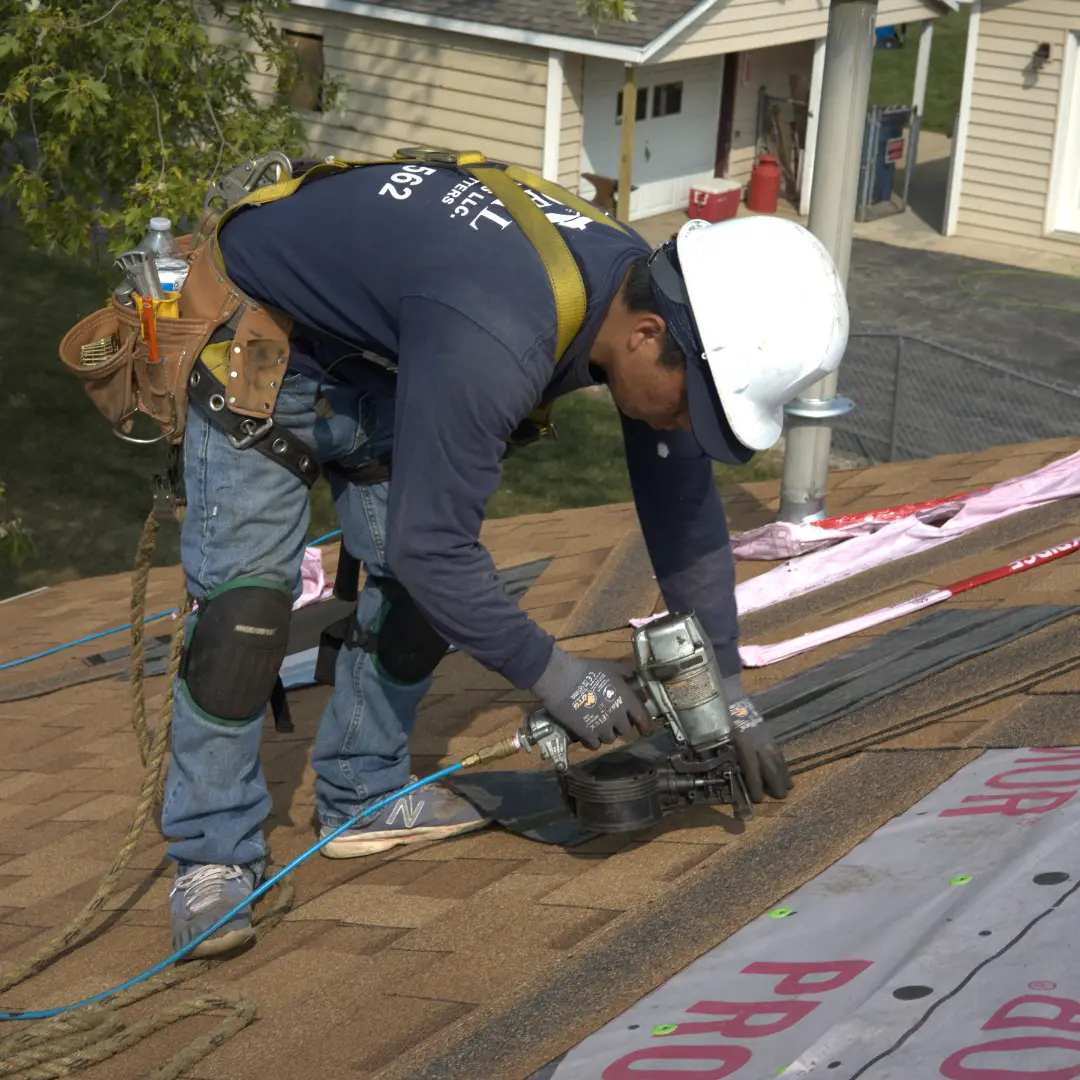
Class 4 shingles install similarly to standard architectural shingles but there are a few things that matter. First of all these shingles are heavier which means you need to verify your roof deck can handle the load. Most residential roofs can but older structures or those with previous water damage may need some decking reinforcement.
Second, underlayment matters more than you think. Pairing Class 4 shingles with synthetic underlayment creates a true weather barrier system. While felt underlayment works, you're leaving performance on the table.
Third, ventilation requirements don't change and proper attic ventilation becomes even more important with these premium shingles. Inadequate ventilation voids most manufacturer warranties and shortens shingle life regardless of impact rating.
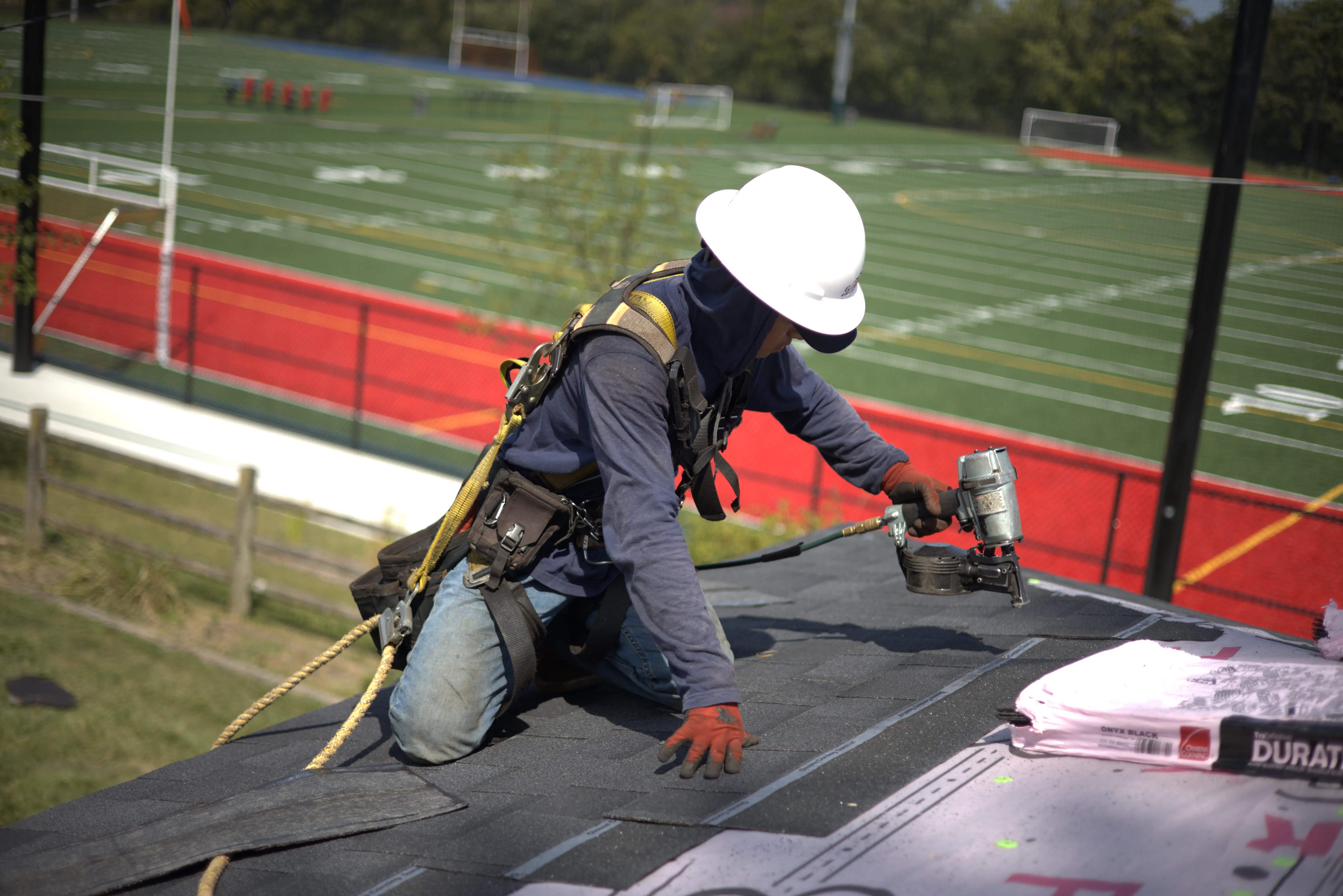
Installation typically takes 1 to 2 days for an average residential roof minus any weather delays and complexity.
.webp)
When Class 4 Shingles Make Sense
You're a good candidate for Class 4 shingles if:
- You've filed hail damage claims in the past five years
- Your neighborhood experiences frequent severe storms with large hail
- Your insurance company offers a meaningful discount (15% or more)
- You're planning to stay in your home for at least 10 years
- You're replacing the roof anyway and want maximum protection
We reocmmend you stick with standard shingles if:
- Your area rarely sees hail larger than 1 inch
- Your insurance discount is minimal or nonexistent
- Budget constraints make the premium unjustifiable
- You're planning to sell within a few years
Warranty Coverage and What It Actually Means
Class 4 shingles typically come with manufacturer warranties ranging from 30 years to lifetime coverage. Just make sure you read the fine print here. "Lifetime" usually means the life of the product as determined by the manufacturer, not literally forever.
Most warranties are prorated too meaning coverage decreases over time. A shingle that fails at year 15 might only be covered at 50% replacement cost. Wind warranties often expire after 10 to 15 years unless you use all specified accessory products during installation.
The impact resistance rating itself isn't a warranty against hail damage. Class 4 means the shingles passed the UL test but no manufacturer guarantees they won't be damaged in an actual hail storm. They're more resistant, not hail proof.
Common Misconceptions Worth Clearing Up
Let's address a few things that come up constantly. First, Class 4 shingles don't mean you'll never have hail damage. Hail larger than 2 inches can still cause problems as can wind driven hail that hits at angles the test doesn't simulate.
Second, these shingles don't prevent all roof damage. Falling tree branches, improper installation, or severe wind can still cause failures, the class 4 rating specifically addresses impact resistance not an overall durability test.
Third, not all roofing companies install Class 4 shingles correctly. Manufacturer certifications matter because improper installation voids warranties and compromises performance. Ask for proof of certification and references from recent Class 4 installations.
Long-Term Performance and Maintenance
Class 4 shingles generally last 20 to 25 years with proper maintenance and the impact resistance doesn't fade over time (the construction is built in), but normal wear from UV exposure, thermal cycling, and weather still occurs wearing it all down.
Annual inspections catch small issues before they become expensive problems. Look for lifted shingles, missing granules in valleys, or damaged flashing around chimneys and vents. Clean gutters prevent the water backup that could damage even the toughest shingles.
Moss and algae growth happens regardless of shingle type. Zinc or copper strips along the ridge help too as do periodic cleanings with approved solutions. Just make sure you never pressure wash the shingles!
Making the Decision: Next Steps
Start by getting quotes from multiple licensed roofing companies that specialize in impact resistant installations. Ask to see their Class 4 work and verify they're certified by the manufacturers they're proposing.
Contact your insurance agent to confirm available discounts and documentation requirements because some insurers want pre installation verification, others want photos after completion.
Compare total costs including materials, labor, and disposal against your expected insurance savings. Factor in peace of mind and potential resale value too.
Request material samples if you're deciding between products because shingle appearance, thickness, and warranty terms vary enough that seeing them side by side helps.
Here are a couple signs you may be due for a new roof.
The Bottom Line on Class 4 Protection
Class 4 impact resistant shingles offer measurable protection against hail damage and often pay for themselves through insurance discounts in storm-prone regions. They cost 20% to 40% more than standard shingles upfront but that premium buys proven impact resistance, better wind ratings, and potential long term savings.
The right choice depends on your local weather patterns, insurance situation, and how long you plan to keep the roof. In areas with regular severe weather; Class 4 shingles may make more financial sense. In calmer climates, a standard architectural shingle may be sufficient.
Whatever you choose just make sure you work with certified installers and keep documentation for insurance purposes. A properly installed Class 4 roof gives you one less thing to worry about when storm clouds roll in.