.webp)
ACV vs. RCV Roof Coverage: What Homeowners Need to Know Before the Next Storm

Aaron Venegaz is the President and founder of Global Exterior Experts and has been in the construction / roofing industry for over 15+ years. He started the company back in 2010 and done everything from scheduling appointments to putting down roofs. He's also done everything from commercial roofing to residential roofing and has also worked with almost every single roofing material multiple times over the past 15 years.
Roof replacement involves several phases: first is the initial roof inspection and planning, complete tear off of old materials, repairs to damaged decking, installation of new underlayment and shingles, and final cleanup. The typical project takes 1-2 days depending on your roof's size and weather conditions. Understanding each phase helps you prepare your property and budget for this essential home improvement project.
Step 1: Pre-Installation Planning and Material Delivery
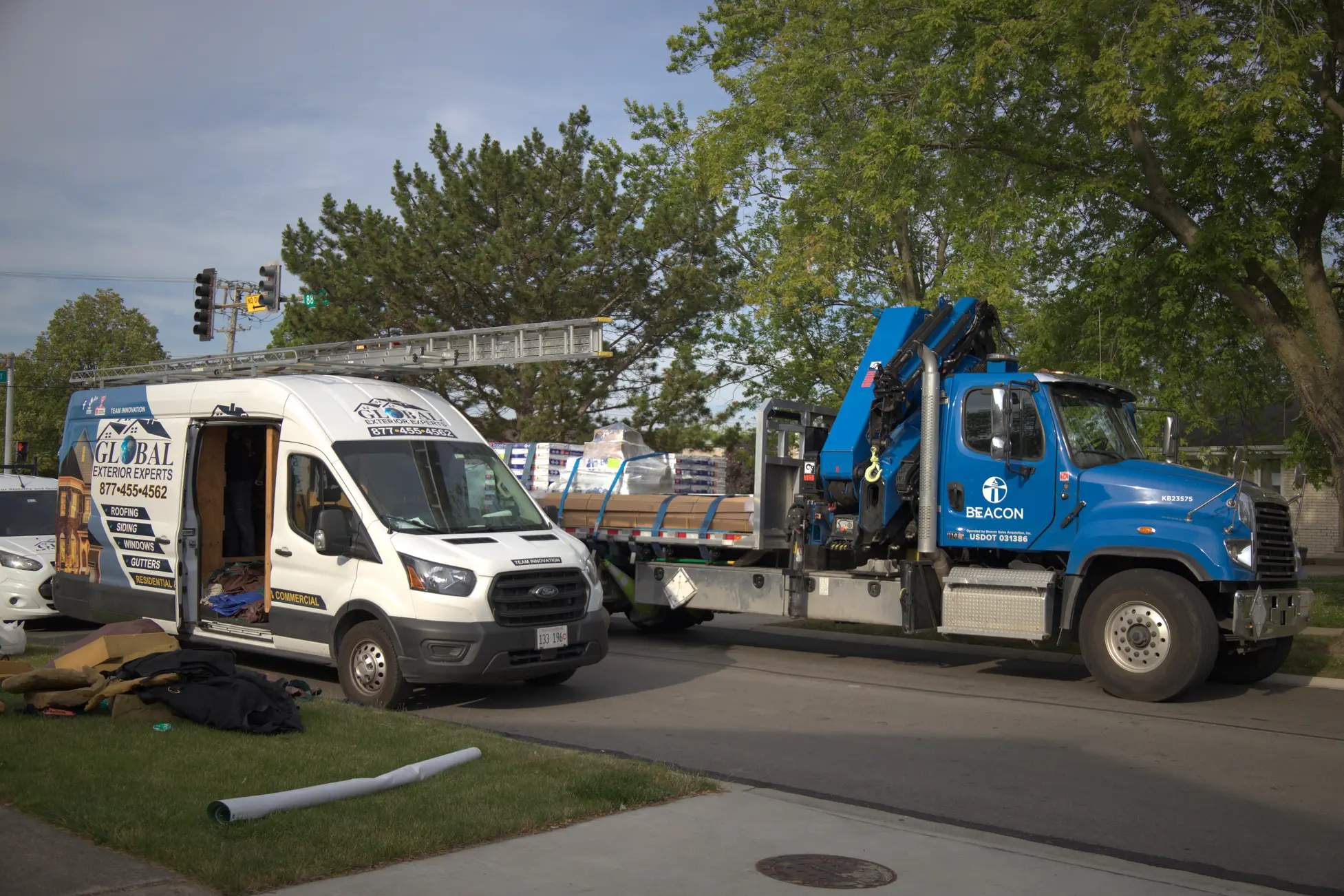
Before we touch a single shingle, there's paperwork to handle. We pull permits (required in most areas), order materials, and schedule inspections. This phase happens behind the scenes, but it matters.
Materials usually arrive a day or two before work starts. Expect bundles of shingles, rolls of underlayment, boxes of nails, and possibly a dumpster sitting in your driveway. We'll stack everything close to the house to minimize lawn damage.
Timeline: 1-2 days before installation
What you should do: Clear your driveway and move vehicles to the street. Move patio furniture, grills, and anything within 15 feet of your house. Remove items from walls inside (vibrations can knock things down). Cover items in your attic if you've got loose insulation or stored belongings up there.
Step 2: The Tear-Off (This Gets Loud)
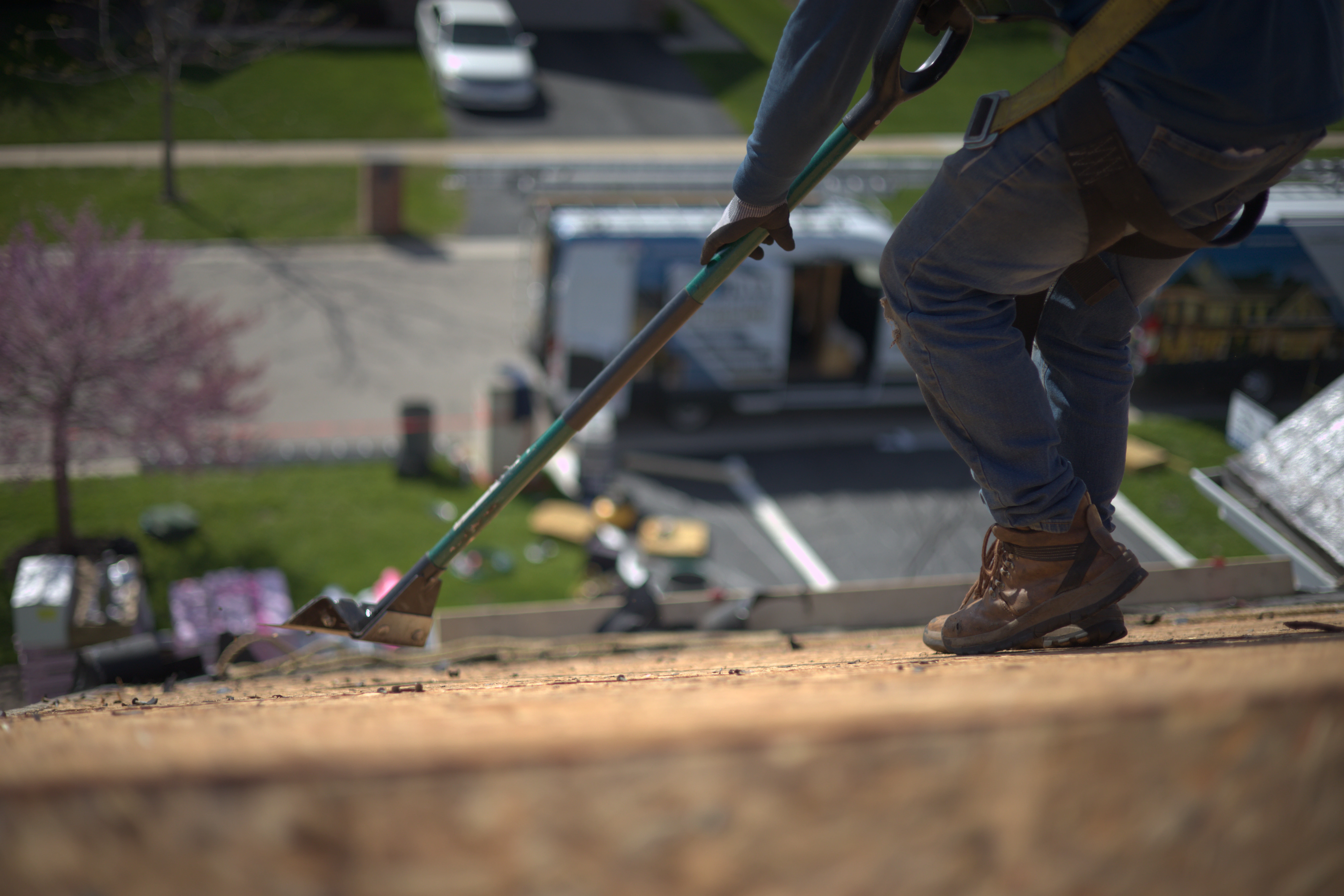
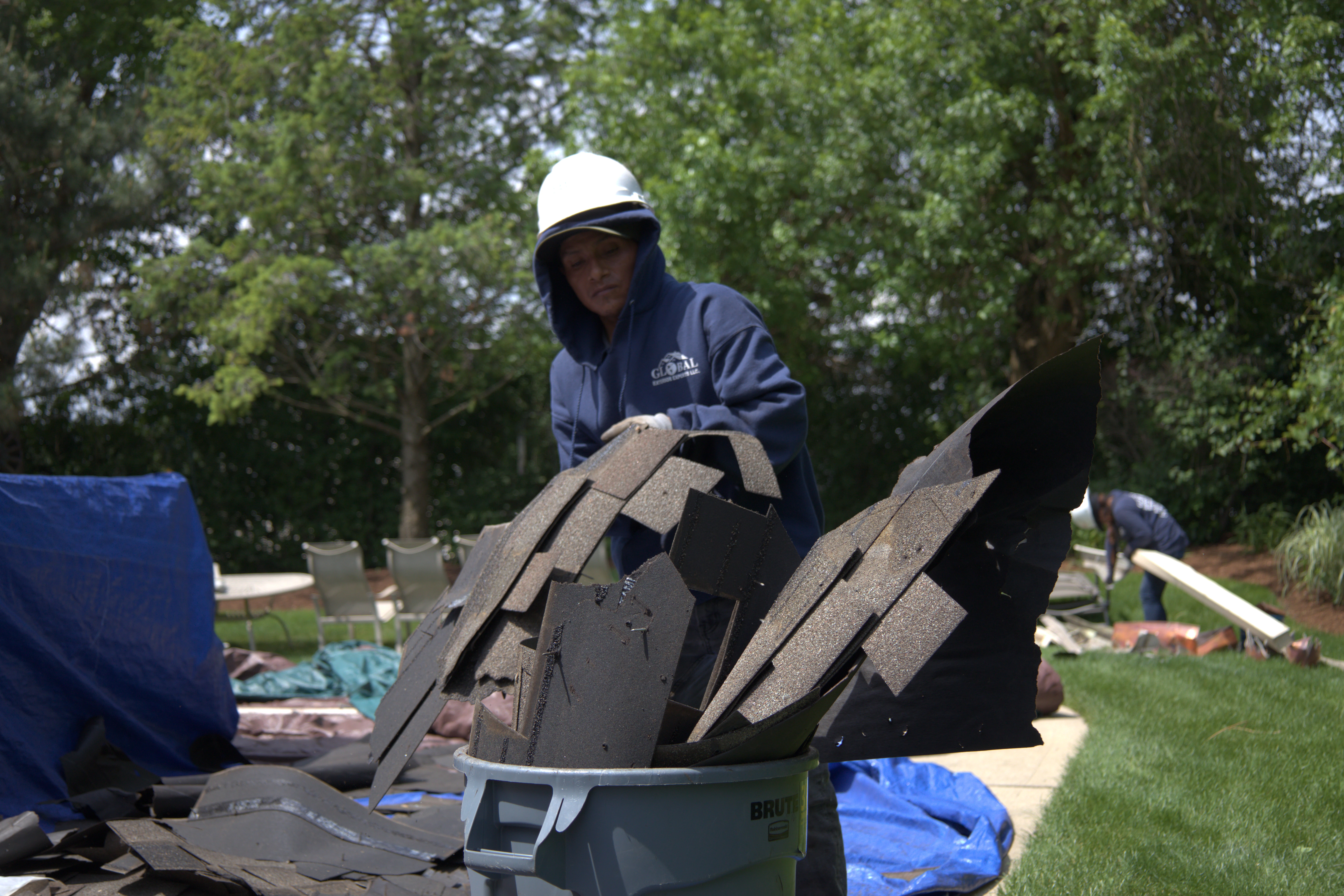
Alright, let's talk about demolition day. We strip everything down to bare wood: old shingles, damaged underlayment, rusty flashing, the works. This creates a massive amount of debris. Some roofing companies try to work section by section, tearing off and recovering small areas to limit exposure. Others strip the entire roof at once (faster but riskier if weather turns).
You'll hear constant banging, scraping, and materials hitting the dumpster. Shingle granules get everywhere. Nails end up in your grass (we use magnetic rollers afterward, but a few always hide). Dust filters through attic vents into your home no matter how careful we are.
Timeline: 1 day for most single-family homes, potentially 2 days for larger or complex roofs
What you should do: Plan to be away if you've got young kids or pets. The noise is relentless. If you work from home, forget it. You're not taking Zoom calls during tear-off. Close all windows and cover vents inside if dust bothers you.
Step 3: Deck Inspection and Repairs
Once everything's stripped, we finally see what's actually happening with your roof deck. Sometimes it's perfect. Other times, we find soft spots, rot, water damage, or sections that need replacing.
Here's where costs can surprise people. You might've budgeted for a straightforward roof replacement, then we discover three sheets of plywood near your chimney that are rotted through. We can't install new shingles over bad decking (it won't hold), so repairs happen on the spot.
Quality roofing companies won't hide this work. We'll show you the damage, explain why it needs fixing, and give you a price before proceeding. Replacing damaged decking typically adds $50-$150 per sheet of plywood, depending on thickness and access difficulty.
Timeline: Usually same day as tear-off, adds 2-4 hours if repairs are minor
What to expect: Additional costs if damage exists. Better to find and fix problems now than have your new roof fail in five years.
Step 4: Installing Underlayment and Drip Edge
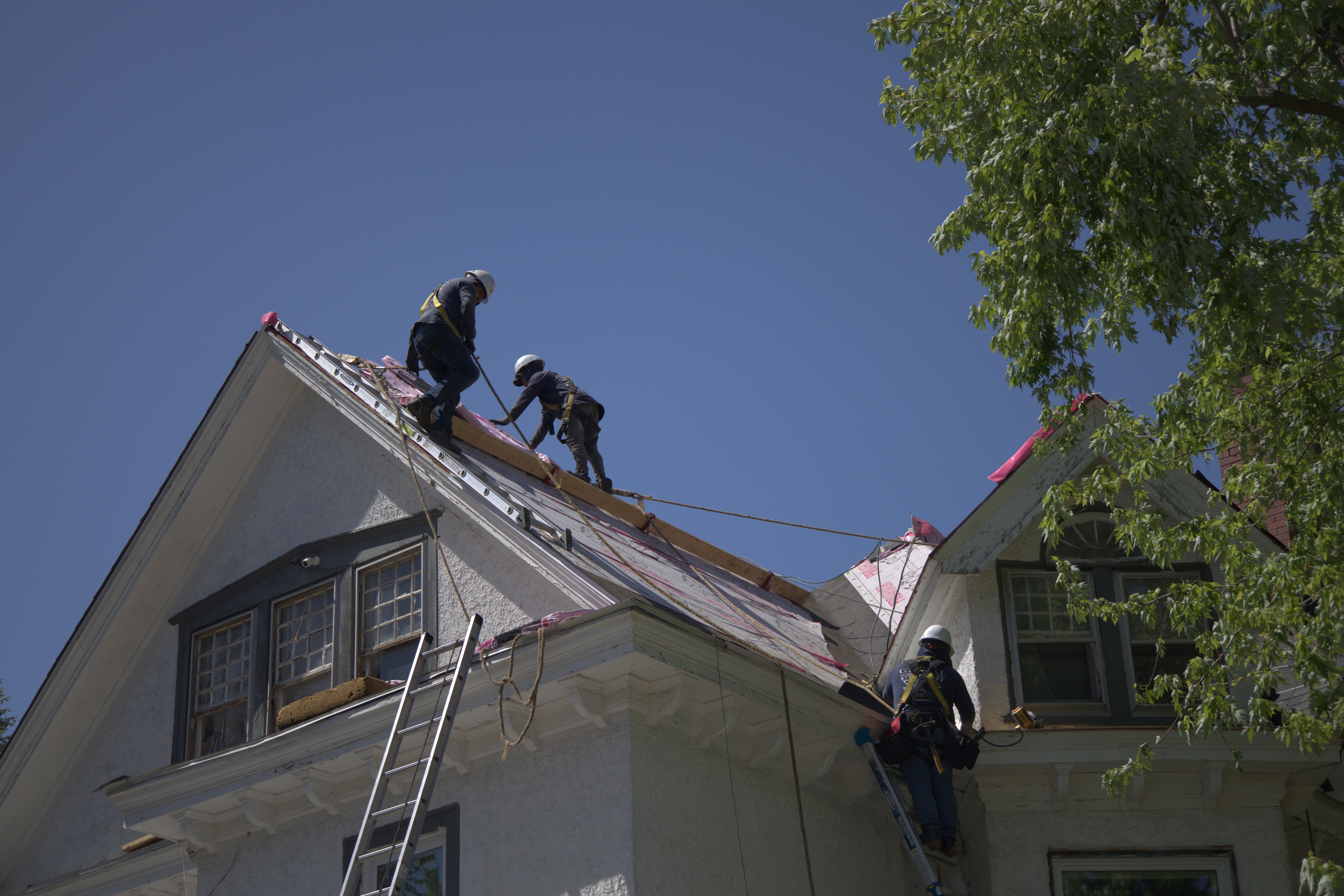
With a solid deck underneath, we start building your new roof system. First comes the underlayment (a water-resistant barrier that protects your deck if shingles ever fail). Most residential projects use synthetic underlayment these days. It's tougher than old-school felt paper and handles weather exposure better if installation gets delayed.
We also install drip edge along the eaves and rakes. This metal flashing guides water away from your fascia boards and prevents rot. Building codes in most areas require drip edge, though older roofs often didn't have it. Adding it now protects your investment.
Timeline: 3-5 hours
What you'll see: Your roof looking completely black (if synthetic underlayment) or silver (if ice and water shield in valleys and eaves). This is normal.
Step 5: Shingle Installation
This is where your roof starts looking like a roof again. We install starter shingles along the eaves (specialized shingles that prevent wind uplift), then work our way up toward the ridge. Each shingle gets nailed according to manufacturer specs (usually 4-6 nails depending on wind zone requirements).
The pattern matters. Proper offset prevents water from sneaking between shingles. We cut around vents, chimneys, and skylights, then flash these penetrations to create watertight seals.
Ridge caps go on last. These are the shingles running along the peak of your roof. They're specifically designed to handle the folding required at the ridge line and often come with enhanced wind resistance ratings.
Timeline: 1-2 days depending on roof complexity and pitch
What you'll notice: Progress happens fast once we hit our rhythm. A crew of 4-5 people can cover 30-40 squares (3,000-4,000 square feet) in a day under good conditions.
Step 6: Cleanup and Final Inspection
We're not done until your property looks like we were never there (except for the new roof). Crews use magnetic rollers to pick up nails from your lawn, driveway, and flower beds. We bag remaining debris, haul away the dumpster, and sweep your gutters.
Then comes the final walkthrough. A good roofing company will walk the property with you, show you the completed work, explain your warranty coverage, and address any concerns. This is your chance to ask questions and point out anything that looks off.
Building inspectors typically show up within a few days to verify work meets code requirements. This isn't optional in most jurisdictions, and you'll need the inspection certificate if you ever sell your home.
Timeline: 2-4 hours for cleanup, inspection scheduled separately
What to check: Look for leftover nails, debris in gutters, damage to landscaping, proper flashing around chimneys and vents.
How Long Does Roof Replacement Actually Take?
For a typical single-family home (1,500-2,500 square feet), expect the entire process to take 2-3 days from tear-off to cleanup. Larger homes or complex roof designs (multiple valleys, steep pitches, several chimneys) can stretch to 4-5 days.
Weather throws curvebars. Rain delays work. Extreme heat slows crews down (shingles get too soft to walk on when temperatures hit 90+ degrees). Winter installations are possible but take longer.
Material availability affects timelines too. If you picked a specialty shingle that's backordered, you're waiting regardless of crew availability.
What Does Roof Replacement Cost?
Costs vary wildly based on location, materials, and roof complexity. As a general range:
- Basic asphalt shingles: $5,000-$10,000 for an average home
- Architectural shingles: $7,500-$15,000
- Premium/designer shingles: $12,000-$25,000
- Metal roofing: $15,000-$40,000+
These numbers include materials, labor, permits, and disposal. They don't include repairs to damaged decking, which add costs as needed. Steep roofs, multiple stories, or difficult access drive prices up (crews need extra safety equipment and work more slowly).
Preparing Your Property
Move your car. Seriously, move it at least 30 feet away or park on the street. Falling debris will dent hoods and crack windshields.
Protect your landscaping. We try to avoid damaging shrubs and flower beds, but when 50 pounds of old shingles come flying off your roof, things get squashed. Move potted plants. Cover delicate bushes with tarps if they're close to the house.
Trim tree branches that hang over your roof. They're in the way, and we'll need to cut them anyway. Might as well save yourself the cost and do it beforehand.
The Bottom Line
Roof replacement disrupts your life for a few days. It's loud, messy, and a bit chaotic. But it's also straightforward work when handled by an experienced roofing company.
The key is finding a crew that communicates clearly, shows up when promised, and stands behind their work. Ask about warranty coverage (both manufacturer and workmanship), verify licensing and insurance, and get everything in writing before work starts.
A new roof typically lasts 20-30 years with proper maintenance. That's decades of protection for your home. The temporary inconvenience is worth it.