.webp)

How Often Should I Have My Roof Inspected?

Aaron Venegaz is the President and founder of Global Exterior Experts and has been in the construction / roofing industry for over 15+ years. He started the company back in 2010 and done everything from scheduling appointments to putting down roofs. He's also done everything from commercial roofing to residential roofing and has also worked with almost every single roofing material multiple times over the past 15 years.
Here's the short answer: a clay roof is one of the longest-lasting systems you can put on a building, often 50 to 100 years, with strong fire resistance and lower cooling bills. The tradeoffs are real, though. Clay costs two to three times more than asphalt shingles, the tiles are heavy, and not every structure can carry them without reinforcement.
If you're weighing clay against other materials, this guide walks through both sides honestly. As a roofing contractor, the goal here is simple: help you figure out if clay fits your building, your budget, and your plans before you spend a dollar.
What Is a Clay Tile Roof?
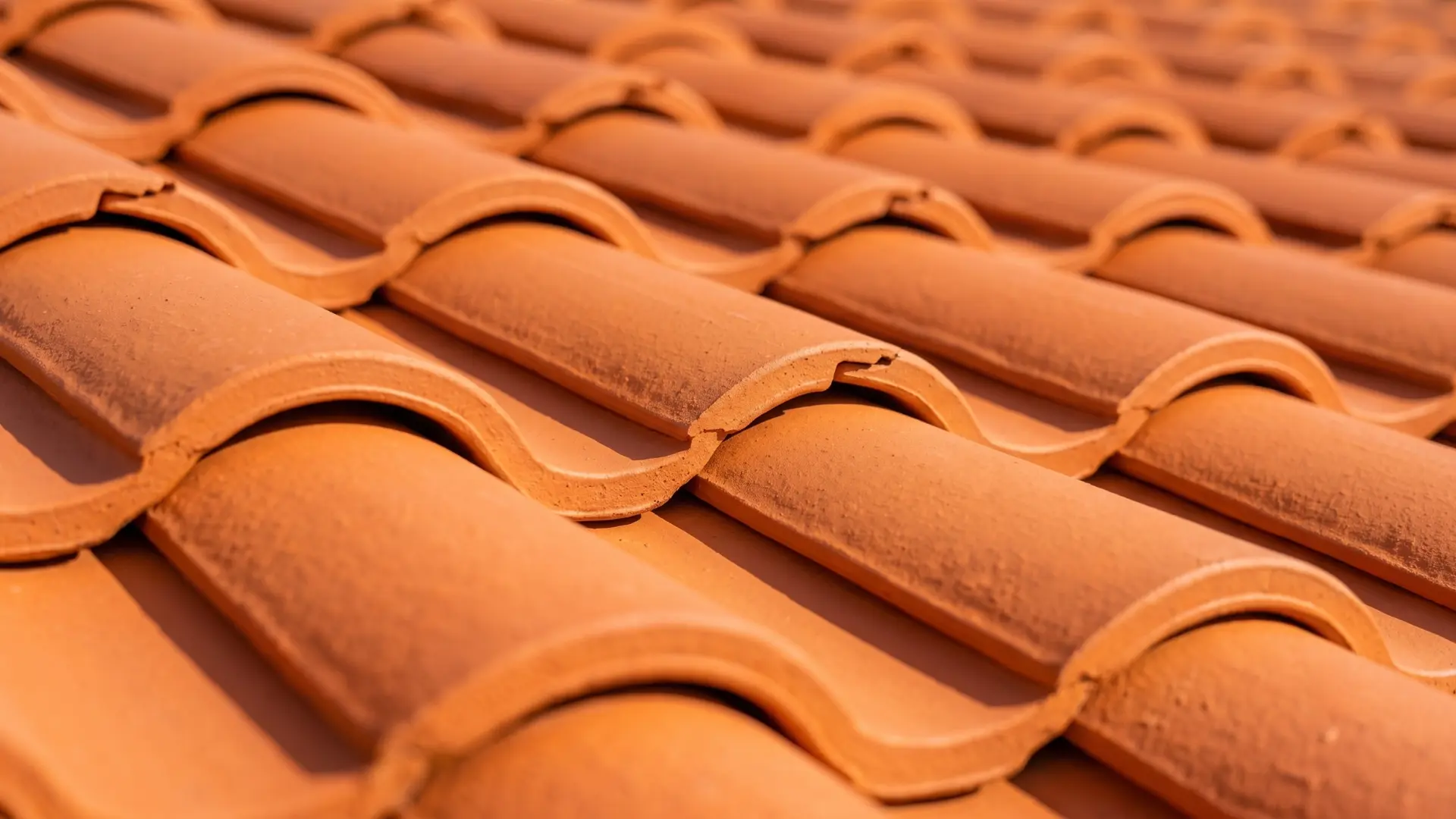
A clay tile roof is made from natural clay that gets molded into shape and fired in a kiln at high heat. That firing process locks in the color and hardens the tile so it can handle decades of sun, rain, and wind.
Tiles come in several profiles: barrel (the classic Spanish look), flat, and interlocking styles that shed water in different ways. Color goes all the way through the tile, so it won't peel or fade the way a coated product can.
Pro #1: Lifespan That Outlasts Almost Everything Else
This is the big one. A properly installed clay roof can last 50 to 100 years. Some clay roofs in Europe have been up for centuries (who would've thought a roof could outlive the family that built the house?).
Compare that to asphalt shingles at 15 to 30 years. Put a clay roof on once, and there's a good chance you never buy another roof for that building. The underlayment beneath the tiles will need replacement sooner, usually every 20 to 40 years, but the tiles themselves keep going.
Pro #2: Fire, Rot, and Pest Resistance
Clay doesn't burn. It carries a Class A fire rating, the highest available, which matters in wildfire-prone areas and can help with insurance in some markets.
It also won't rot, and insects have zero interest in it. There's nothing organic in a fired clay tile for termites or carpenter ants to chew on. That knocks out three of the most common failure paths that hit wood and asphalt roofs.
Pro #3: Energy Savings You Can Actually Feel
Clay tiles don't sit flat against the deck. There's an air gap underneath each tile, and that gap acts like a thermal break. Heat from the sun has a harder time transferring into your attic.
In hot climates, that can trim cooling costs noticeably during summer. The tile's thermal mass also helps even out temperature swings between day and night. It's not a magic fix, but it's a real, measurable benefit year after year.
Pro #4: Curb Appeal and Resale Value
Alright, let's talk about looks, because they matter when it's time to sell. Clay tile gives a home a distinct, high-end appearance that asphalt can't match. Mediterranean, Spanish, and Southwestern style homes almost demand it.
Buyers notice a clay roof, and appraisers do too. A roof with 60-plus years of remaining life is a genuine selling point, not just a cosmetic one.
Con #1: The Price Tag
Of course, none of this comes free. Here's what realistic budgeting looks like:
- Clay tile installed: roughly $12 to $25 per square foot, depending on tile profile, roof complexity, and region
- A typical 2,000-square-foot roof: often $25,000 to $50,000 all-in
- Asphalt shingles on the same roof: usually $8,000 to $15,000
That gap is why clay is a long-game investment. Spread the cost over 75 years and the math starts looking better, but the upfront check is still large.
Con #2: Weight, and Why Your Structure Might Need Work
This is the con that surprises people most. Clay tile weighs 600 to 1,100 pounds per roofing square (100 square feet). Asphalt shingles run around 250 to 400 pounds per square.
Many homes framed for shingles simply cannot carry clay without reinforcement. Before any tile goes up, a structural evaluation is a must, and some jurisdictions require an engineer's letter before they'll issue the permit. Reinforcing framing can add $1,000 to $10,000 or more to the project. Skip this step and you're gambling with sagging rafters, or worse.
Con #3: Fragile Underfoot
Here's the thing about clay: it shrugs off weather but not foot traffic. Tiles can crack if someone walks on them the wrong way, which makes routine chores complicated.
- HVAC techs, chimney sweeps, and satellite installers can break tiles without realizing it
- Falling branches and large hail can crack individual tiles
- Repairs mean matching tiles that may no longer be in production
Individual tile replacement typically runs $200 to $500 per visit for small repairs. Keep a pallet of spare tiles from the original install stored on site. Future you will be grateful.
Con #4: Climate and Installation Limits
Clay performs best in warm and mixed climates. In regions with hard freeze-thaw cycles, standard clay tiles can absorb moisture, freeze, and spall (flake apart). If you're in a cold climate, you need tiles rated for freeze-thaw exposure, and not every product line qualifies.
Slope matters too. Most clay systems need at least a 4:12 roof pitch to shed water properly. Low-slope sections need a different system entirely.
What the Project Actually Looks Like
Plan on a longer runway than a shingle job. A realistic sequence:
- Structural evaluation and estimate: 1 to 2 weeks
- Permitting: 1 to 4 weeks depending on your municipality (some require engineering stamps for the added load, which adds time)
- Material lead times: specialty tile profiles and colors can take 4 to 12 weeks to arrive
- Installation: 1 to 3 weeks for an average home, longer for complex rooflines
Order materials early. Tile backorders are one of the most common delays on these projects, and swapping profiles mid-job is a headache nobody wants.
How to Decide: A Quick Checklist
Run through these questions before you commit:
- Will you own the property 15-plus years? If yes, clay's lifespan pays off. If not, resale value has to carry the math.
- Can your structure handle the load, or what does reinforcement cost?
- Does your climate call for freeze-thaw rated tile?
- Is your roof pitch 4:12 or steeper?
- Does the upfront budget work without straining other priorities?
If you answered yes down the line, clay deserves a serious look.
The Bottom Line
A clay roof trades a high upfront cost for decades of durability, fire resistance, energy savings, and standout curb appeal. The main risks are weight, fragility underfoot, and climate fit, and every one of those risks can be managed with proper planning.
Your next step: get a structural evaluation and a detailed written estimate from a licensed roofing contractor before making any decisions. A qualified roofing company will check your framing, verify code requirements, and give you real numbers for your specific building. That one conversation will tell you whether clay is a smart 75-year investment or the wrong fit for your home.