What Is Roofing Underlayment and Why Does It Matter?

Aaron Venegaz is the President and founder of Global Exterior Experts and has been in the construction / roofing industry for over 15+ years. He started the company back in 2010 and done everything from scheduling appointments to putting down roofs. He's also done everything from commercial roofing to residential roofing and has also worked with almost every single roofing material multiple times over the past 15 years.
Synthetic underlayment is the better choice for most roof replacements. It is lighter, far harder to tear, stays flat when wet, and can sit exposed for weeks if a job stalls. Felt paper costs less per roll and still meets code on a simple roof that gets shingled fast.
Here's the thing: underlayment is a small line on a roof replacement estimate, but it is the layer that protects your deck when a storm lifts a shingle. Whatever you pick, you will not see it again for 20 to 30 years. Choose it like it matters, because it does.
What Roof Underlayment Actually Does
Roof underlayment is a water-resistant sheet installed directly on the roof deck, under the shingles, metal, or tile. It is the second line of defense when water gets past the roof covering.
It does four jobs:
- Sheds water that sneaks under shingles during wind-driven rain
- Protects the bare deck between tear-off and the new roof going on
- Gives shingles a smooth, even surface to lay on
- Keeps you in line with code and shingle warranty requirements
One thing it is not: waterproof. Neither felt nor standard synthetic seals around nails. That job belongs to ice and water shield (more on that below).
Felt Paper: The Old Standard
Alright, let's talk about felt. It is a paper or fiberglass mat soaked in asphalt. It has been going under shingles for a hundred years, and it still works.
Felt comes in two weights:
- #15 felt: thinner, cheaper, fine for standard-pitch roofs that get covered the same day
- #30 felt: thicker, tougher, better on steep roofs or anywhere crews will walk on it for a while
Where felt shines:
- Lowest material cost of any underlayment
- Accepted by every building code
- Breathes a little, which helps on roofs with weak attic ventilation
Where it falls short:
- Tears easily under boots and ladders
- Soaks up water and wrinkles, and those wrinkles can show through shingles
- Breaks down in sunlight within days, so it cannot sit exposed
- Heavy. A roll of #30 weighs roughly three times what a roll of synthetic does for the same coverage
Synthetic Underlayment: The Modern Upgrade
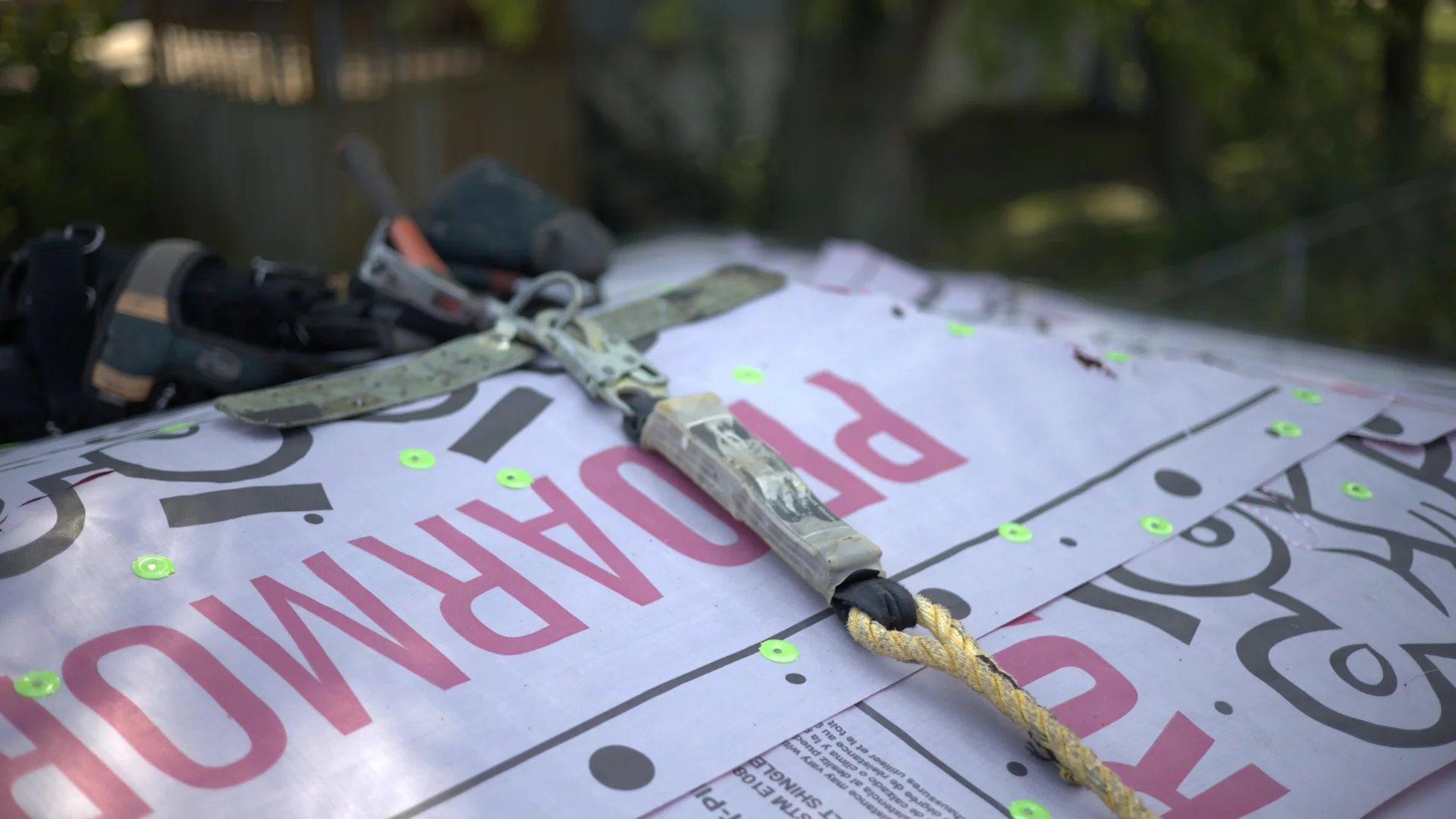
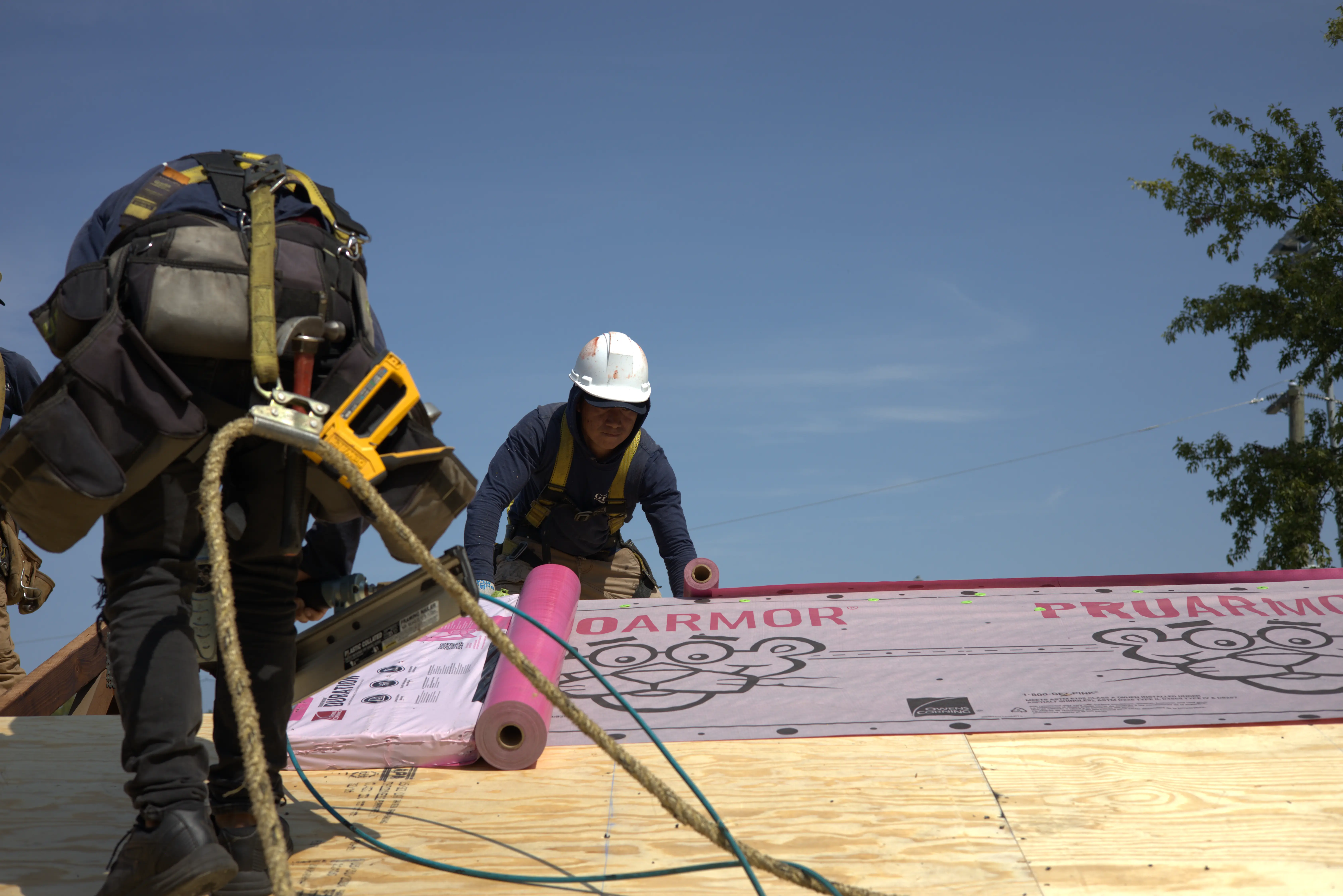
Synthetic underlayment is a woven polypropylene or polyethylene sheet, usually coated for grip and water resistance. People sometimes call it "synthetic felt." It contains no felt at all (who would've thought?).
Why it wins most jobs:
- Very hard to tear, even with nails driven through it
- Does not absorb water, so it lays flat and stays flat
- Rated for 30 to 180 days of sun exposure, depending on the product
- Lighter rolls that cover more roof, so fewer laps and faster installs
- Better footing for crews in wet or dry conditions
- Resists mold and mildew
The tradeoffs:
- Costs more per square foot
- Most products do not breathe, so poor attic ventilation can trap moisture under the deck
- Quality varies a lot by brand. A bargain synthetic can perform worse than good #30 felt.
Head-to-Head: Synthetic vs Felt
Of course, the real question is how they stack up side by side. Here is the scorecard:
- Tear resistance: Synthetic
- Water resistance: Synthetic (felt is water-resistant but wrinkles when wet)
- Weight and handling: Synthetic
- Exposure time: Synthetic, by months instead of days
- Lifespan: Synthetic, 25 to 40 years vs 12 to 20 for felt
- Breathability: Felt
- Material cost: Felt
- Code acceptance: Tie (both pass on most roofs)
Synthetic takes six of eight. Felt wins on price and breathability, and those two can still matter on the right roof.
What It Costs and How Long It Takes
None of this comes free, so let's put numbers on it. These are broad material ranges, and they move with the market and your region.
- #15 felt: about $0.05 to $0.10 per square foot
- #30 felt: about $0.10 to $0.15 per square foot
- Synthetic: about $0.15 to $0.35 per square foot, more for premium or breathable products
On a typical 2,000 square foot roof (about 20 squares), that works out to roughly $100 to $300 for felt and $300 to $700 for synthetic. Compare that to a full roof replacement that usually lands somewhere between $10,000 and $25,000, and the gap is a rounding error.
Timelines favor synthetic too. A crew can dry in a roof with synthetic in a few hours, and the lighter rolls mean less hauling up the ladder. Felt takes a bit longer and has to be covered the same day or wrinkles set in.
Code, Permit, and Warranty Surprises
Here's where homeowners get caught off guard. Underlayment looks like a simple choice until the permit inspector or the shingle manufacturer gets involved.
A few things to know before the job starts:
- Cold climates require ice and water shield at the eaves, usually from the edge to at least 24 inches past the interior wall line. Many local codes also call for it in valleys and around penetrations. This goes on no matter which underlayment you pick.
- Low-slope roofs (under 4:12) usually need a double layer of underlayment or a full self-adhered membrane.
- Most shingle manufacturers tie their best warranties to using their own underlayment. Swap brands and you may drop from a 50-year system warranty to a basic material warranty.
- Some older local codes still name "No. 15 asphalt felt" specifically. Synthetic products get around this with a code evaluation report. Ask for it.
Permit offices can also hold a job up when the underlayment on the spec sheet does not match what is on the roof. That is a cheap problem to avoid.
When Felt Paper Still Makes Sense
Short section, because the list is short.
Felt is the right call when:
- The roof is simple, low-risk, and will be shingled the same day
- Budget is tight and every dollar counts
- Attic ventilation is weak and you want a layer that breathes
- A local code or an existing warranty specifically requires it
Outside of those, synthetic earns its price.
How to Plan Your Roof Replacement Around Underlayment
Underlayment is decided at replacement and buried for 25 years, so settle it before the crew shows up. Here's what to do:
- Ask your roofing company for the underlayment by brand and product name, not just "synthetic" or "felt." A good contractor answers without looking it up.
- Request the shingle manufacturer's warranty terms and confirm the underlayment qualifies.
- Check the exposure rating. If weather or material delays could leave the deck bare for a week, that rating matters more than any other spec.
- Confirm ice and water shield placement in writing: eaves, valleys, chimneys, skylights, and wall transitions.
- Have your attic ventilation checked. If it is weak, ask about a breathable synthetic.
- Get the full spec on the estimate so the permit inspection goes smoothly.
The Bottom Line
Synthetic underlayment is tougher, lighter, lasts longer, and handles delays that would ruin felt. For most roof replacements, it is the right material under your shingles. Felt still has a place on simple, fast, budget-driven jobs and on roofs where breathability matters.
What to consider next:
- Which shingle warranty you want, since it may decide the underlayment for you
- Your local code requirements for ice barrier and low slopes
- How much exposure risk your schedule carries
- Whether your attic ventilation is up to the job
Get those four answers, then pick the underlayment that fits. The right roofing company will walk you through all of it before a single shingle comes off.